
By Prof. Dr. Tariq Rahim Soomro
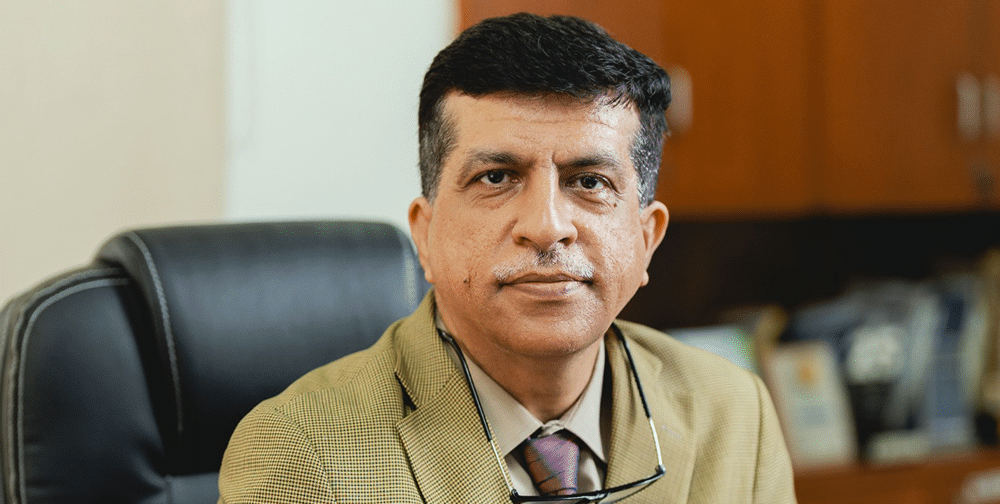
As an educationist who has spent decades in our nation’s classrooms and lecture halls, I have witnessed firsthand the immense potential of our children.
Yet, I have also observed a growing void that our current system is failing to fill. We are proficient at teaching children what to memorize, but we are neglecting to teach them how to think, how to be—how to be ethical, compassionate, and actively responsible citizens. Teaching must be with training.
This is not a minor oversight; it is a national crisis in the making. The challenges of social division, rising incivility, and ethical ambiguity we see in public life will not be solved at the highest levels of government alone. They must be addressed at their root: in the primary school classroom. Today, I propose a transformative solution for the leadership and citizens of our province to consider: the immediate establishment of a dedicated Provincial Primary Education Commission (PPEC).

Microsoft to invest $10 billion in Japan for AI and cyber defence expansion
Manzoor ShaikhTECHNOLOGY Microsoft on Friday said it will invest 1.6 trillion yen ($10 billion) in Japan…

SG Power Limited Appoints Umer Ali Malik as CEO, Charts Strategic Transformation Plan
Manzoor ShaikhPAKISTAN SG Power Limited has appointed Umer Ali Malik as its Chief Executive Officer with…
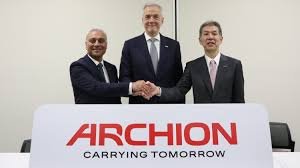
ARCHION Corporation Listed on Tokyo Stock Exchange, Begins Operations
Manzoor ShaikhWORLD ARCHION Corporation, a newly formed holding company created through the business integration of Hino…

Pakistan HVACR Society to Hold 3rd Mini Expo in Faisalabad
Manzoor ShaikhPAKISTAN The Pakistan HVACR Society (Faisalabad Chapter) has announced the organization of its 3rd Mini…

Pakistan Signs First Carbon Market MoU under Paris Agreement with Norway
Manzoor ShaikhPAKISTAN Pakistan and Norway has signed the country’s first bilateral agreement under Article 6.2 of…
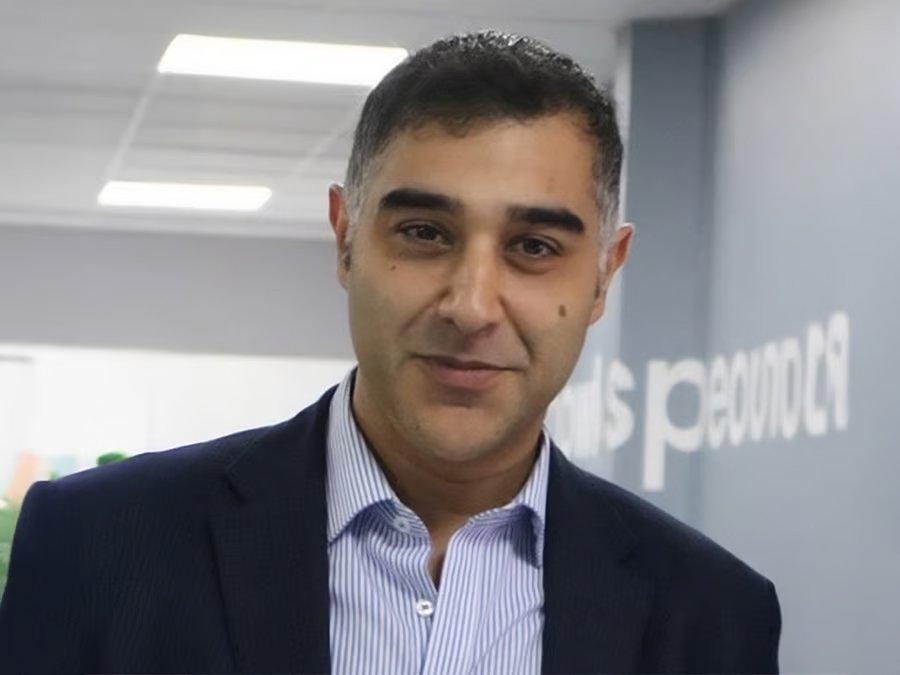
Gul Ahmed Textile Mills Limited Appoints Mohammed Zaki Bashir as CEO
Manzoor ShaikhPAKISTAN Gul Ahmed Textile Mills Limited (GATM) has appointed Mohammed Zaki Bashir as its Chief…
Our current educational framework, while striving for improvement, treats character development as an afterthought. Lessons on morality in Islamiyat or civics in Social Studies are often taught in isolation, disconnected from a child’s daily life. Our teachers, heroic in their efforts, are burdened with administrative tasks and are not trained to facilitate the complex discussions on ethics and civic duty that our times demand. The result is an inconsistent and unmeasured approach to building the very character of our next generation.
The PPEC is designed to be the surgical instrument that fixes this core issue. Modelled on the successful autonomous structure of our Higher Education Commission (HEC), and drawing inspiration from bodies like Nigeria’s Universal Basic Education Commission, the PPEC would be an expert-led body focused exclusively on the qualitative transformation of primary education.
Its mission would be guided by three non-negotiable pillars:
1. Morality: Moving beyond textbook definitions to use storytelling and reflective discussions to cultivate an intrinsic understanding of honesty, integrity, sympathy, and empathy in our children.
2. Ethics: Introducing “ethical reasoning” as a core skill, where children grapple with age-appropriate, real-life scenarios to learn the art of making reasoned, responsible choices.
3. Civic Sense: Transforming citizenship from a theoretical concept into a lived experience. This means student-led community projects, mock assemblies, and instilling a genuine, informed pride in our national identity and struggles.
The Commission’s mandate would be clear and action-oriented: to redesign the curriculum, establish mandatory teacher certification in “Value-Based Education,” develop new learning resources, and create a school environment where these values are reinforced daily.
The outcomes we can expect are both measurable and profound. In the short term, we will see improved school environments and greater respect for teachers and peers. In the medium term, we will nurture a generation that demonstrates stronger community involvement and ethical reasoning. In the long term, we can finally build the cohesive, responsible, and virtuous citizenry that is the foundation of a prosperous nation.
This is more than an educational reform; it is a national imperative. I call upon our provincial government to take three concrete steps: constitute a high-level committee to deliberate this proposal, draft the necessary legislation, and allocate seed funding in the upcoming budget.
Investing in infrastructure and textbooks is crucial, but investing in the character of our children is the highest-return investment a nation can make. The future of Pakistan will not be defined by the buildings we erect, but by the citizens we nurture. Let us begin that transformation today, from the very foundation.
The author is the Rector of the Institute of Business Management (IoBM). – tariqsoomro@gmail.com
Read More Stories
Microsoft to invest $10 billion in Japan for AI and cyber defence expansion
TECHNOLOGY Microsoft on Friday said it will invest 1.6 trillion yen ($10 billion) in Japan…
SG Power Limited Appoints Umer Ali Malik as CEO, Charts Strategic Transformation Plan
PAKISTAN SG Power Limited has appointed Umer Ali Malik as its Chief Executive Officer with…
ARCHION Corporation Listed on Tokyo Stock Exchange, Begins Operations
WORLD ARCHION Corporation, a newly formed holding company created through the business integration of Hino…
Pakistan HVACR Society to Hold 3rd Mini Expo in Faisalabad
PAKISTAN The Pakistan HVACR Society (Faisalabad Chapter) has announced the organization of its 3rd Mini…
Pakistan Signs First Carbon Market MoU under Paris Agreement with Norway
PAKISTAN Pakistan and Norway has signed the country’s first bilateral agreement under Article 6.2 of…
Gul Ahmed Textile Mills Limited Appoints Mohammed Zaki Bashir as CEO
PAKISTAN Gul Ahmed Textile Mills Limited (GATM) has appointed Mohammed Zaki Bashir as its Chief…
Leave a Reply