
WORLD – Technology
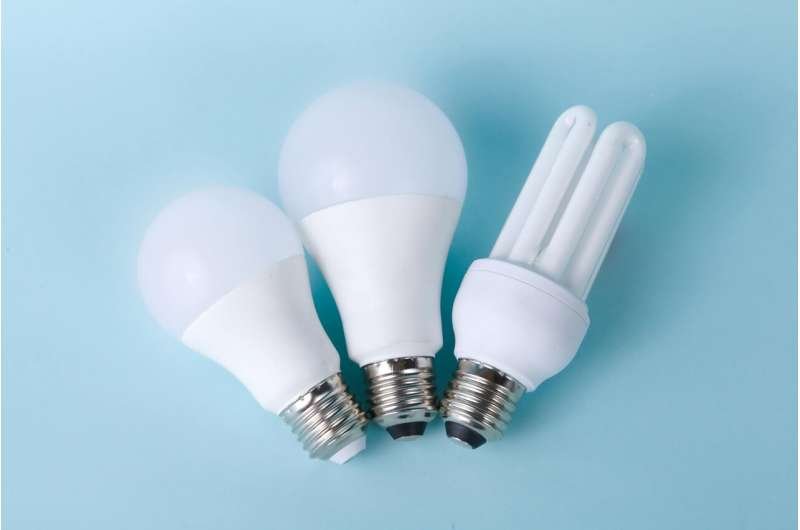
Researchers at the University of Oulu are envisioning a future where LED lights do far more than brighten rooms: they also transfer data and power smart devices. As white LEDs are expected to provide 95 percent of global indoor lighting by 2035, scientists see an opportunity to turn everyday lighting infrastructure into a secure, efficient communication network.
The work is part of the SUPERIOT project led by 6G expert Professor Marcos Katz. He says the goal is to use existing lighting sustainably. Because LEDs can be rapidly controlled, they can send information through visible light communication, or VLC. A standard desk lamp could function like a Wi-Fi router, transmitting data via tiny flickers interpreted by a phone or laptop—too fast for the human eye to notice. Reverse communication could occur through invisible infrared light, ensuring convenience without visual distraction.
Light-based communication offers key advantages over radio signals: it’s fast, energy-efficient, and doesn’t interfere with sensitive equipment in hospitals, factories, or aircraft. It is also more secure since signals cannot pass through walls. However, VLC requires a clear line of sight, and radio will still be needed in areas with no lighting.
Beyond communication, Katz’s team is exploring how LED light can power future smart-city devices. Tiny solar cells could harvest indoor light, reducing reliance on disposable batteries. The project is also advancing printed electronics to create ultra-thin, low-resource IoT devices—from smart labels to hospital sensors—that use both light and radio to operate safely and sustainably. – ER News Desk
MORE NEWS

40 Major Media Groups Join Coalition to Protect Journalism from AI Copyright Violations
Forty major media organisations, including The New York Times, The Economist and Agence France-Presse (AFP),…
Zong Launches 5G Home Broadband Service in Pakistan
Zong has launched Z HomeFi, a 5G fixed wireless access (FWA) home broadband service, aiming…
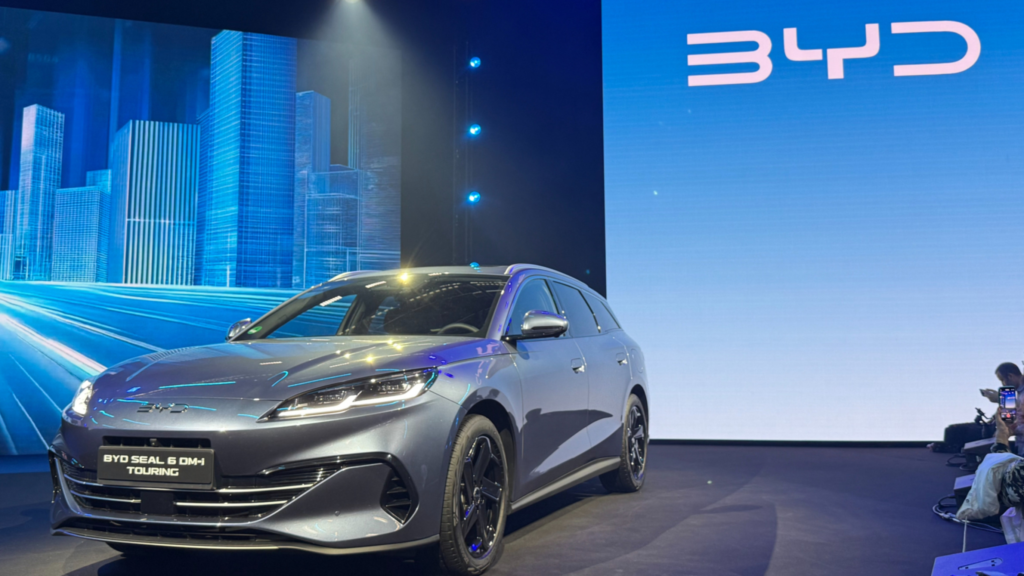
BYD Eyes Ultra-Fast EV Charging Technology for Pakistan
Chinese electric vehicle (EV) manufacturer BYD is in discussions with its Pakistani partner, Mega Motor…
Game-Based Digital Therapies Show Mixed Results in Treating Children with ADHD
Stimulant medications are among the most common treatments for children with attention-deficit/hyperactivity disorder (ADHD), helping…
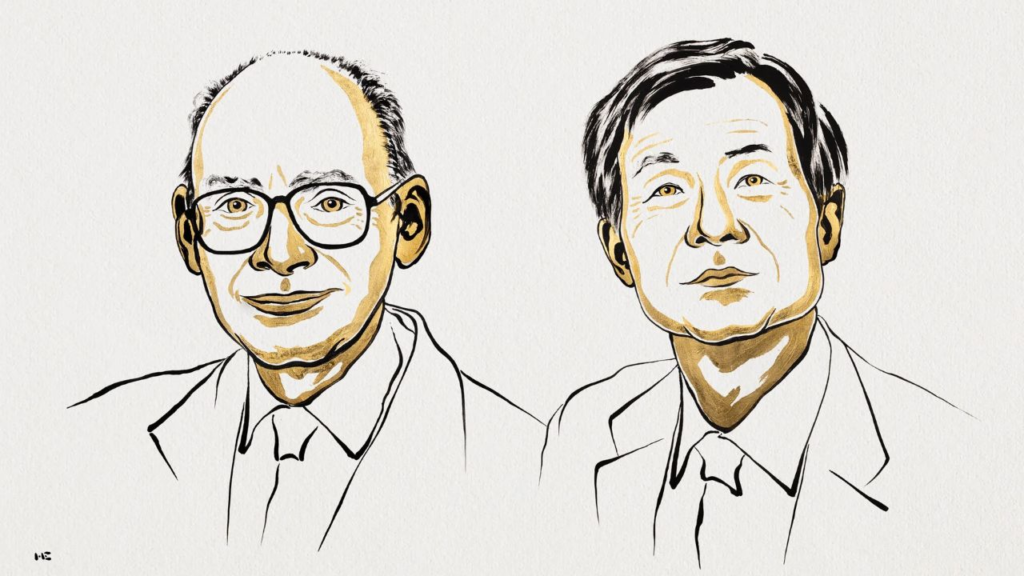
Henri Kagan and Kenso Soai Awarded 2026 Nobel Prize in Chemistry
Scientists Henri Kagan and Kenso Soai have been awarded the 2026 Nobel Prize in Chemistry…
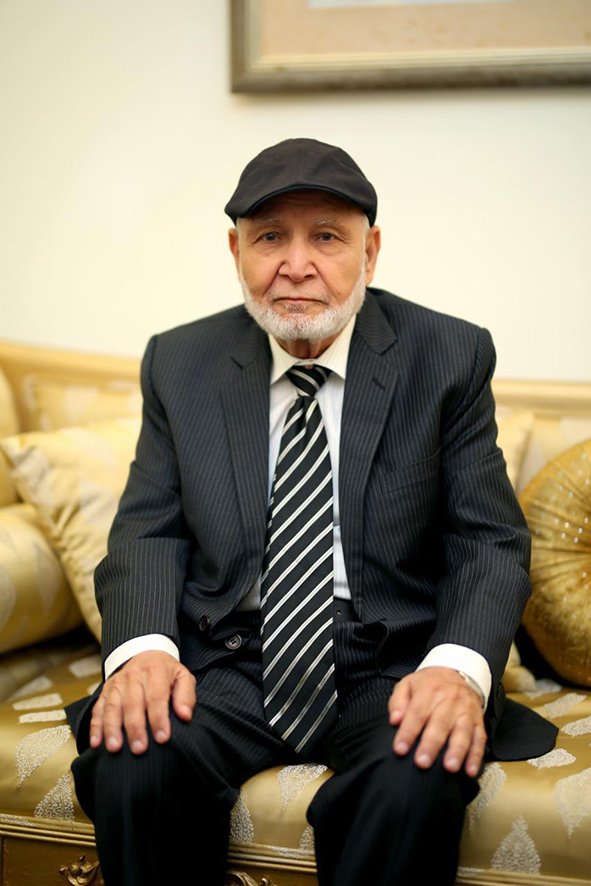
In Memory of Mohammad Akram Sheikh Chairman United Wire Industries
Mohammad Akram Sheikh Chairman United Wire Industries With profound sorrow, we remember Mr. Mohammad Akram…