
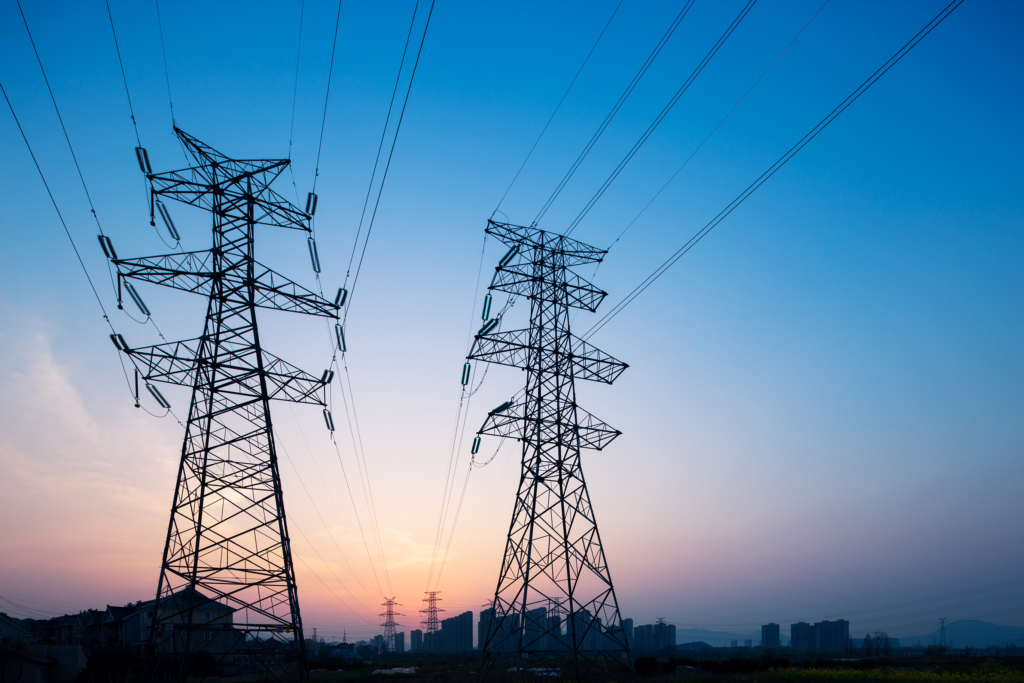
The Ministry of Privatisation has decided to privatise two of Pakistan’s largest power distribution companies, Lahore Electric Supply Company (LESCO) and Multan Electric Power Company (MEPCO), in their existing form rather than dividing them into smaller entities.
The decision was taken after a Technical Committee formed by the Privatisation Commission examined whether the two companies should be split into two or three separate distribution companies before being offered to private investors.
According to officials familiar with the matter, the committee concluded that bifurcating LESCO and MEPCO would delay the privatisation process and recommended proceeding with both companies in their current structure.
The committee was also tasked with assessing the potential benefits and drawbacks of restructuring the companies in line with the National Electricity Plan, Power Policy and the government’s broader privatisation programme.
Meanwhile, the Privatisation Commission plans to appoint a Financial Adviser to assist with private-sector participation in LESCO and MEPCO. It has invited interested firms and consortiums with relevant experience to submit proposals for the advisory role.
The decision is significant given the size of the two companies. MEPCO, established in 1998, supplies electricity to 13 districts of southern Punjab and is Pakistan’s largest distribution company by consumer base, serving around 8.76 million customers through a network of more than 82,000 kilometres of distribution lines and over 780 grid stations.
LESCO serves approximately 7.05 million consumers across Lahore and neighbouring districts, including Kasur, Sheikhupura, Nankana Sahib and Okara.
Both companies have faced persistent challenges involving electricity theft, transmission and distribution losses and weak recovery rates. Their performance has remained below that of some other distribution companies in Punjab.
LESCO and MEPCO have been pursuing modernisation programmes, including Advanced Metering Infrastructure, smart meters and digital billing, to improve efficiency, recoveries and customer services. However, shortages of transformers and meters have affected new connections and equipment replacement in LESCO’s service area.
Audit reports for fiscal year 2024-25 also found the overall performance of both companies unsatisfactory, adding to the challenges facing the government ahead of their proposed privatisation.
By retaining LESCO and MEPCO in their current form, the government expects to avoid the additional administrative work and delays that would have resulted from restructuring the companies before beginning the privatisation process. – ERMD
READ MORE

Sindh Expands Mobile Healthcare Services Across 17 Districts
The Sindh government is working to improve the efficiency of its mobile health unit system…
Pakistan, World Bank Group Agree to Accelerate Reforms and Investment-Led Growth
Federal Minister for Economic Affairs Ahad Khan Cheema met World Bank Group (WBG) President Ajay…
ECNEC Approves 11 Development Projects in Energy, Infrastructure, Healthcare, Technology
The Executive Committee of the National Economic Council (ECNEC), chaired by Deputy Prime Minister and…
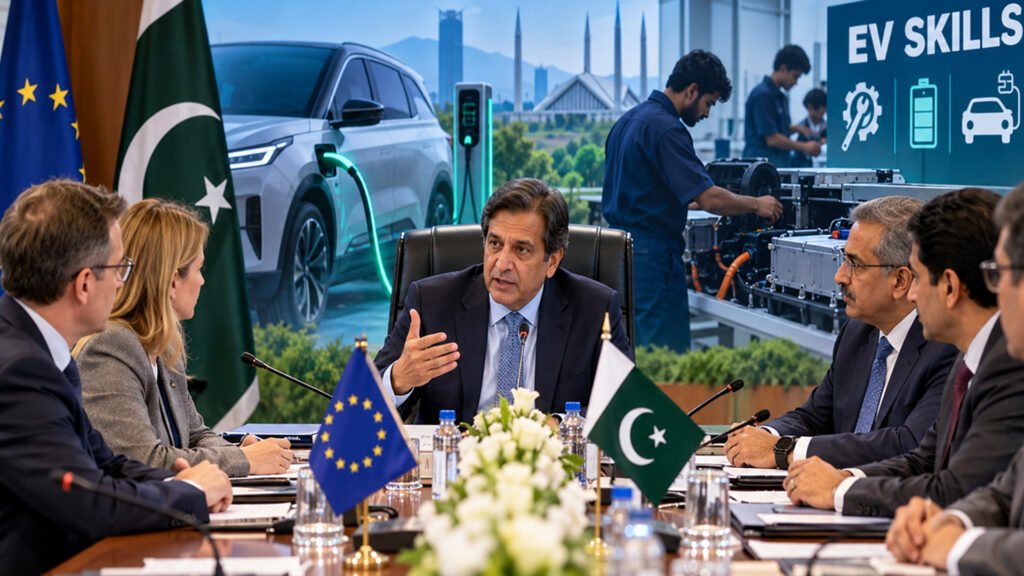
Pakistan, EU Explore Cooperation in Electric Vehicle Skills Development
Advisor to the Prime Minister for Industries and Production Haroon Akhtar Khan has directed the…

NUST Honours 66 PhD Scholars and 54 Medal-Winning Undergraduates at Convocation
Federal Minister for Planning, Development and Special Initiatives Ahsan Iqbal has urged graduates of the…
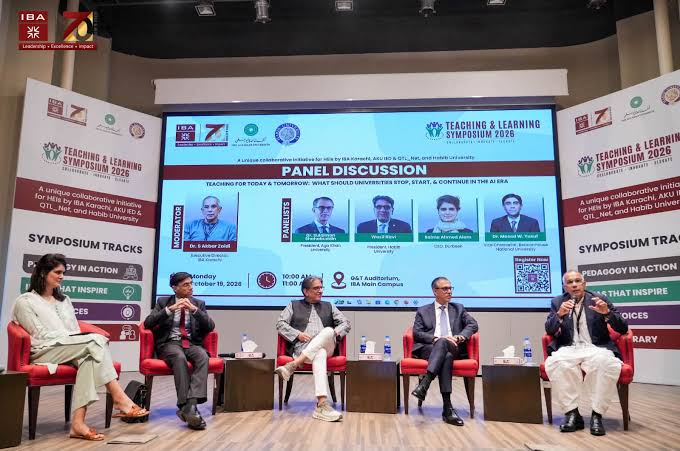
IBA, AKU and Habib University Join Hands to Rethink Education in the AI Era
The Institute of Business Administration (IBA) Karachi, in collaboration with Aga Khan University (AKU) and…