
By Manzoor Shaikh
October 28 meeting leaves key questions unresolved as government considers a new regulatory structure, contractual reforms and stronger accountability in public projects
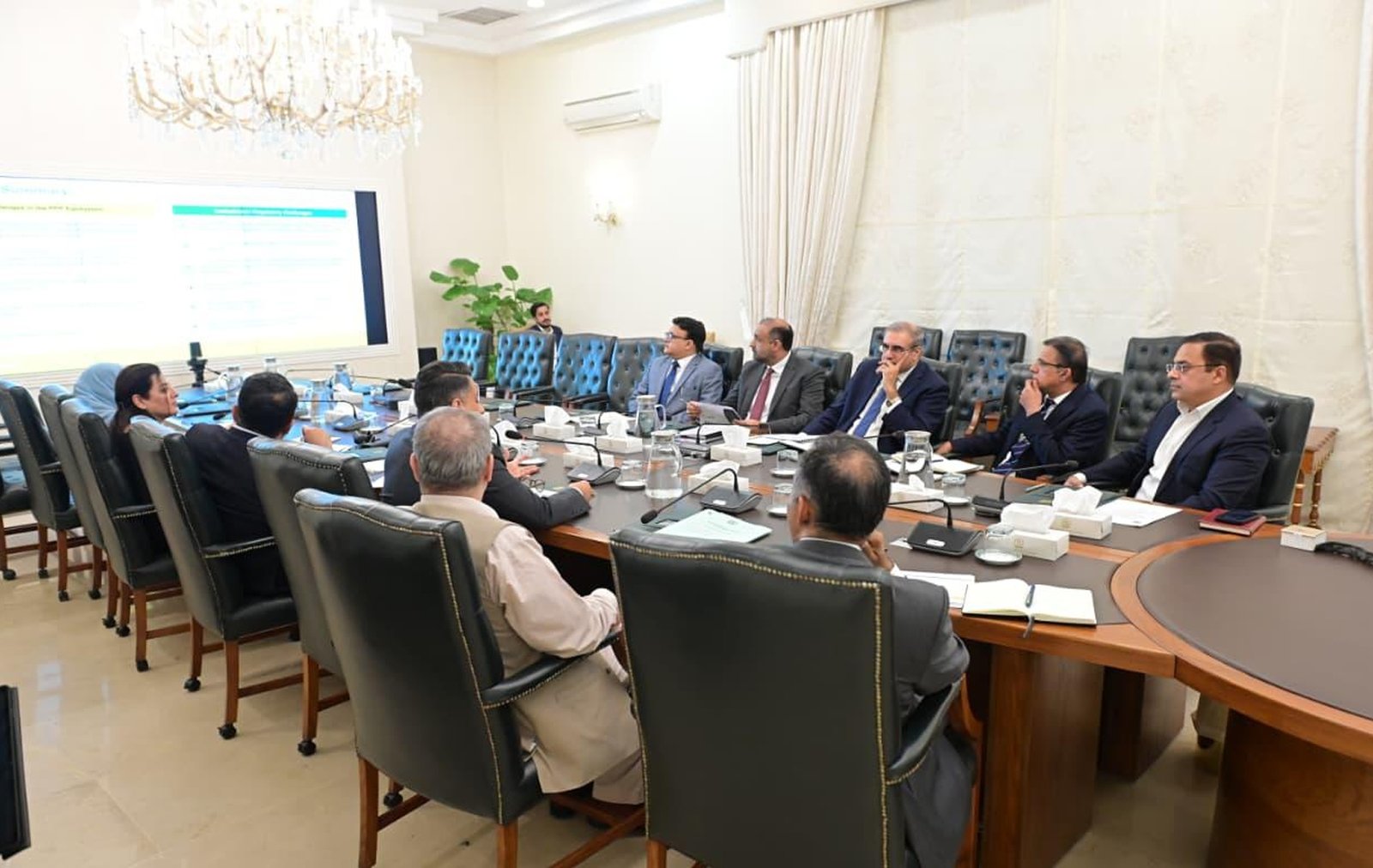
The federal government is considering a new institutional and contractual framework for Pakistan’s construction industry, but its latest round of discussions has ended without a final decision on the proposed structure or the responsibilities of the institutions that may be involved.
Federal Minister for Economic Affairs and Establishment Division Senator Ahad Cheema chaired a meeting in Islamabad on October 28 to discuss reforms aimed at strengthening the construction sector, improving project delivery and addressing problems faced by contractors and other industry stakeholders.
The meeting considered the proposed Construction Industry Development Authority (CIDA) Bill, but Cheema stressed that the legislation required further examination. One of the central questions was whether Pakistan should establish a single body to regulate and promote the construction industry or create two separate institutions, with one responsible for regulation and the other for industry development.
The minister asked the relevant officials, Minister of State for Finance Bilal Azhar Kayani and representatives of the Constructors Association of Pakistan (CAP) to continue consultations and develop a workable institutional structure. The discussions did not produce a final decision on the proposed arrangement.
The question of institutional responsibility is particularly important because Pakistan already has a statutory body with a mandate covering several areas of engineering and construction: the Pakistan Engineering Council (PEC).
Established under the PEC Act, 1976, the Council registers professional engineers, consulting engineers, constructors and operators. Its statutory functions also include establishing standards for engineering contracts, costs and services, facilitating engineering-sector industries and providing a forum for arbitration in construction and consultancy disputes.
Despite this mandate, PEC was not listed among the participants in the October 28 meeting, according to the official announcement. Its name was also absent from the published attendance details of an earlier government meeting on construction-sector reforms held on August 15.
This raises questions about how the government intends to involve the country’s engineering regulator in designing a framework that could directly affect engineers, consulting firms, construction companies and technical standards. The published records do not establish whether PEC was consulted separately, but its absence from the announced participation is notable.
Interestingly, PEC had itself discussed construction-industry reforms at a Management Committee meeting on August 6, 2026. The Council identified construction-sector reforms among its strategic initiatives. However, this was an internal PEC meeting and not part of the federal government’s consultation process.
Another important issue discussed on October 28 was the retention money withheld from contractors during the defect liability period. The meeting considered a proposal to place these funds in interest-bearing accounts, allowing contractors to receive both the original amount and the accrued return after the stipulated period.
For contractors, retention money can represent a significant amount of working capital, particularly when payments remain withheld for extended periods. The proposed arrangement could reduce this financial burden, although the mechanism for managing the accounts and releasing funds would require further agreement.
The meeting also examined the introduction of Dispute Avoidance/Adjudication Boards (DAABs) for government projects. These boards are intended to monitor project implementation and help prevent disagreements from escalating into lengthy disputes.
CAP proposed applying the mechanism to projects worth Rs20 billion and above. Cheema, however, called for a lower threshold and further consultations to determine an appropriate limit. The government also wants the forthcoming construction-sector framework to draw upon the rules and standards of the International Federation of Consulting Engineers (FIDIC), whose contract conditions are widely used in international engineering and construction projects.
The duration of the defect liability period was another significant subject. The minister directed the Pakistan Public Procurement Regulatory Authority (PPRA) to begin work on introducing a period of at least three years for major projects, with the measure to be extended to smaller projects in phases.
A longer defect liability period could encourage better construction quality and make contractors more accountable for defects appearing after project completion. However, its effectiveness will depend on clear contractual provisions, proper technical inspections and fair procedures for handling claims.
The October 28 meeting was attended by Minister of State for Finance Bilal Azhar Kayani, Secretary Housing Captain (Retd) Muhammad Mahmood, a Member of the Planning Commission, the Managing Director of PPRA, CAP representatives and other senior officials.
For now, the government appears to be examining several possible reforms rather than implementing an agreed package. The institutional structure of the proposed authority, the treatment of retention money, the threshold for DAABs and the scope of the longer defect liability period all require further consultation.
The next stage will be important. If the government wants a framework that improves the entire construction industry rather than primarily addressing contractors’ concerns, consulting engineers, professional bodies, academia and PEC will need a meaningful place in the process. The proposed reforms will have far-reaching implications for the quality, cost and accountability of public infrastructure, making broad-based consultation essential before the legislation moves forward.
Appeared in ER Nov 2026, Issue – I
READ MORE
Engineering Review | November 1-15, 2026
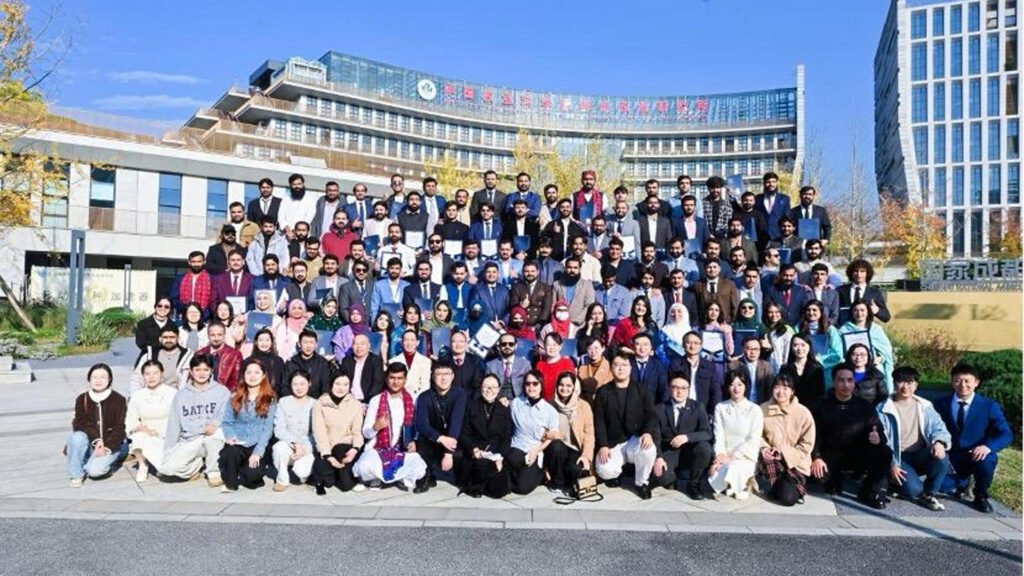
China-Pakistan Agricultural Cooperation Trains 885 Professionals, Supports 15 Startups
Program focuses on AI, seed technology, livestock disease surveillance, genomics and water-efficient farming, with more…

HIMEL Sees Strong Growth Opportunities in Pakistan Amid Rising Energy Demand and Infrastructure Development
HIMEL, a leading provider of reliable and accessible electrical solutions, has reaffirmed its long-term commitment…
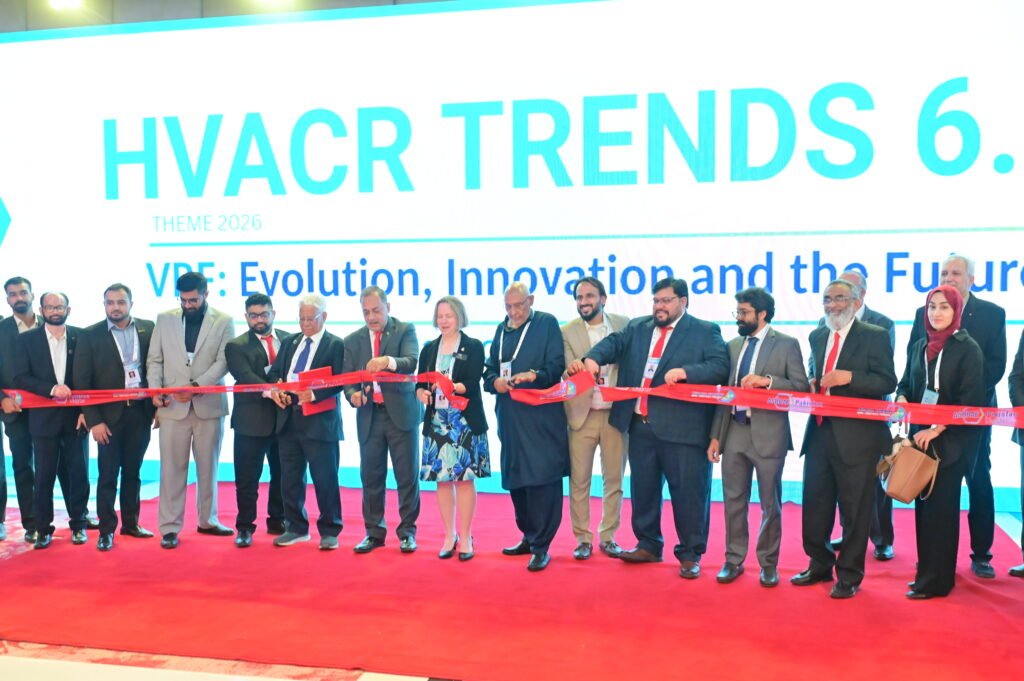
HVACR Trends 6.0 Draws 3,283 Visitors to Karachi as ASHRAE President Joins Pakistan’s Cooling Industry
The ASHRAE Pakistan Chapter concluded HVACR Trends 6.0, its sixth conference and exhibition, on 16–17…
From Rock to Reality: Bridging Academia and Industry
The Department of Chemical Engineering at NED University of Engineering & Technology, in collaboration with…
Pakistan HVACR Society, Lahore Chapter Signs MOU with UMT Lahore
A delegation of the Pakistan HVACR Society, Lahore Chapter led by Chairman Jafar Raza Haidery…