

Engr. Dr. Muhammad Nawaz Iqbal
Entrepreneurial engineering approaches to emerging technologies must be dynamic and have a blend of technical innovation, business intelligence and strategic risk management.
The introduction of technologies like artificial intelligence, quantum computing, biotechnology, robotics and cutting-edge materials is continuing to revolutionize industry, and entrepreneurs need to find strategies to convert scientific discoveries into commercial products. The process includes the following: determining the market need, determining the feasibility of the technology and designing products that provide measurable value to the market. Entrepreneurial engineers need to be more focused on creating innovations that solve real-world problems, enhance the efficiency of operations and provide a sustainable competitive advantage, rather than just focusing on technologies. Bringing the principles of engineering and entrepreneurial thinking together allows companies that wish to do more than just follow traditional approaches to create new markets in fast-evolving technological worlds.
A new approach would be to put in place an opportunity-driven innovation process where new technological opportunities are linked with unmet customer needs. Entrepreneurs can research industry inefficiencies, shifting consumer trends and new regulations to find potential areas where technology can be applied. Artificial intelligence (AI) and predictive maintenance are two areas where AI can be utilized.
For instance, AI can be used to predict when equipment is likely to malfunction and alert the relevant team, which can save manufacturing companies from the costs of unexpected downtime. Likewise, the combination of sensor networks and agricultural technologies can enhance irrigation efficiency and crop monitoring. The difference lies in starting with a well-defined problem and not in developing technology without any market value. When engineering research is tied to customer demand, entrepreneurs can enhance product relevance, decrease commercialization risks and boost the chances of products being accepted in the market in the long term.
The other key approach is to use rapid prototyping and experimentation throughout the product development process. New technologies tend to have performance requirements that evolve quickly, uncertain development processes and unforeseeable costs. These problems can be overcome by entrepreneurial engineers by developing minimum viable products, conducting experimental tests and asking for feedback from potential users before moving on to large-scale production.
Using digital twins, computer-aided simulations, additive manufacturing and virtual testing environments can speed up this process while also minimizing the amount of waste materials and development costs. The information gained from each development cycle can be beneficial in understanding technical performance, usability, reliability and customer expectations. Unsuccessful trials can be seen as learning opportunities, enabling technology-based enterprises to improve their designs more efficiently and quickly adapt to changing market conditions.
Another powerful strategy for commercializing emerging technologies is to work strategically with others. There are many innovations that require specialized knowledge, advanced infrastructure and a good amount of capital, which individual startups may not have the luxury of possessing. Entrepreneurial engineers can then form alliances and collaborations with universities, research labs, existing corporations, government agencies and technology incubators. These collaborations allow for the transfer of knowledge, access to specialized equipment and opportunities for joint research and development. Open innovation networks can also facilitate startups in bringing together different specialist skills to develop solutions that would otherwise be challenging to design on their own.
A biotechnology company can partner with artificial intelligence experts to speed up the process of drug discovery, for example, or a clean-energy company can work with materials scientists to enhance battery performance. To ensure successful partnerships, they must be well designed, distributing risks, building technical capacity and connecting the lab to the market.
Being financially flexible and efficient in resource utilization is also crucial when creating businesses based on new technologies. Startups in industries with long research cycles, variable demand and high overheads might require a funding structure that is different from the traditional approach. An alternative approach is to adopt staged investment strategies where investment funds are allocated in a manner that is in line with technical and commercial milestones. Initial investments can be used for feasibility analysis and prototype development, and later investments can be made for testing and certification, manufacturing and scaling up.
Different stages of development can involve VC funding, research grants, strategic corporate investment, licensing agreements and other alternative financing options. Moreover, engineers can lower expenses through the use of a modular approach to product architecture, shared research facilities, cloud computing and scalable manufacturing processes. By allocating resources in this way, emerging technology businesses can maintain their ability to innovate while keeping their finances healthy.
Entrepreneurs should also make responsible innovation and sustainable engineering core tenets of their entrepreneurial strategy. With the increasing influence of emerging technologies, entrepreneurs need to think about how their technologies will impact the environment, society and the economy, as well as consider ethical issues, from the outset.
Care must be taken to ensure that privacy concerns, algorithmic bias, cybersecurity and transparency are all considered when using artificial intelligence systems. In the same way, energy efficiency, material recovery and product life should be considered in the design of advanced manufacturing processes and electronic devices. Businesses can address these challenges, build public confidence and carve out their niche in highly competitive markets by including sustainability evaluations and ethical design in their product development processes.
Responsibility can be a driver for innovation and not just something done to comply with the law, opening entrepreneurs up to new possibilities in renewable energy, circular manufacturing, assistive technologies and resource-efficient infrastructure.
Another new approach is the creation of “adaptive business models” that adapt to technological advancements as they occur. New technology is continually evolving, and it is important not to develop a product, pricing or distribution strategy that cannot be adapted to future changes.
For instance, an automation company may offer cutting-edge equipment as part of a subscription service that incorporates upkeep, software updates and performance monitoring, making top-of-the-range automation available to smaller companies.
Likewise, an AI-powered industrial company may have the ability to provide analytics and optimization services to customers on a recurring basis, as opposed to simply offering a software licence. Such flexible models can help businesses adapt to evolving customer needs, create a steady revenue stream and foster long-term customer relationships. Technical modularity, coupled with commercial adaptability, can assist entrepreneurial ventures in being able to withstand changes in markets and technologies.
The key to successful entrepreneurial engineering is establishing an organizational culture that encourages growth, strategic thinking, multidisciplinary approaches and value generation. Entrepreneurs face the challenges of tracking technological trends, assessing new competition, building a team of qualified people and deciding on performance metrics that will not only track engineering performance but also account for business success.
Technology roadmapping and scenario planning can enable companies to get a better handle on what disruptive developments might take place and to plan for different scenarios before conditions in the market start to shift dramatically. Meanwhile, it is important to encourage employees to challenge assumptions, share information between departments and try out new ideas and solutions that might be different from the norm. Entrepreneurial engineers can leverage these practices to create a holistic innovation approach that can develop new technology into a scalable, responsible and economically viable business.
READ MORE
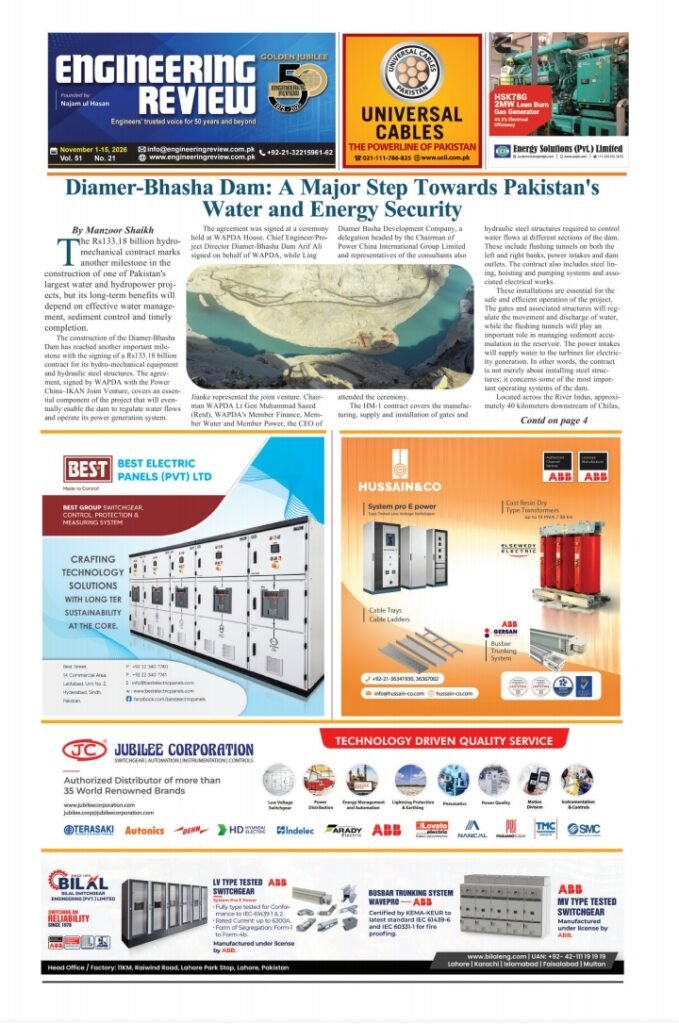
Engineering Review | November 1-15, 2026
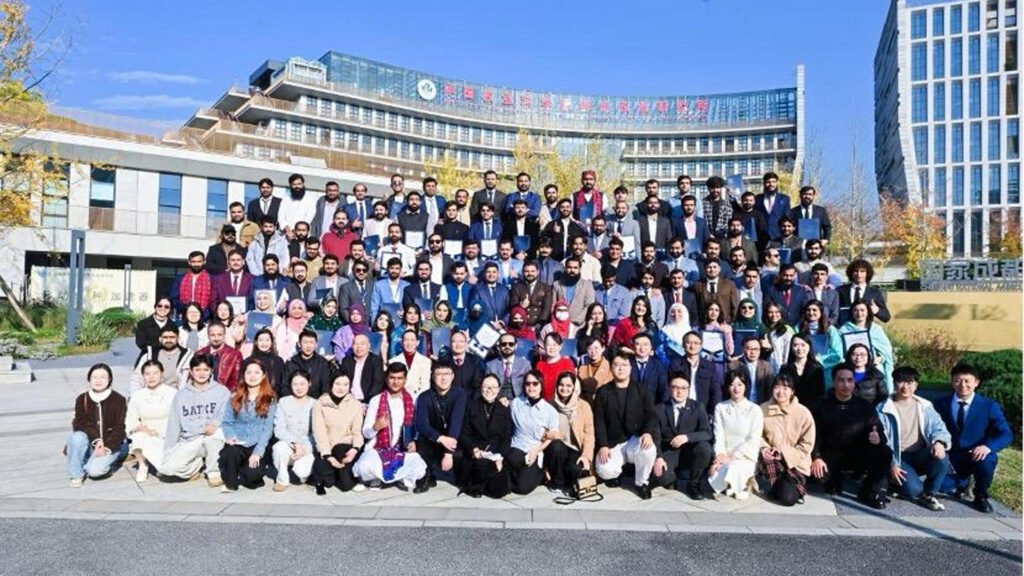
China-Pakistan Agricultural Cooperation Trains 885 Professionals, Supports 15 Startups
Program focuses on AI, seed technology, livestock disease surveillance, genomics and water-efficient farming, with more…
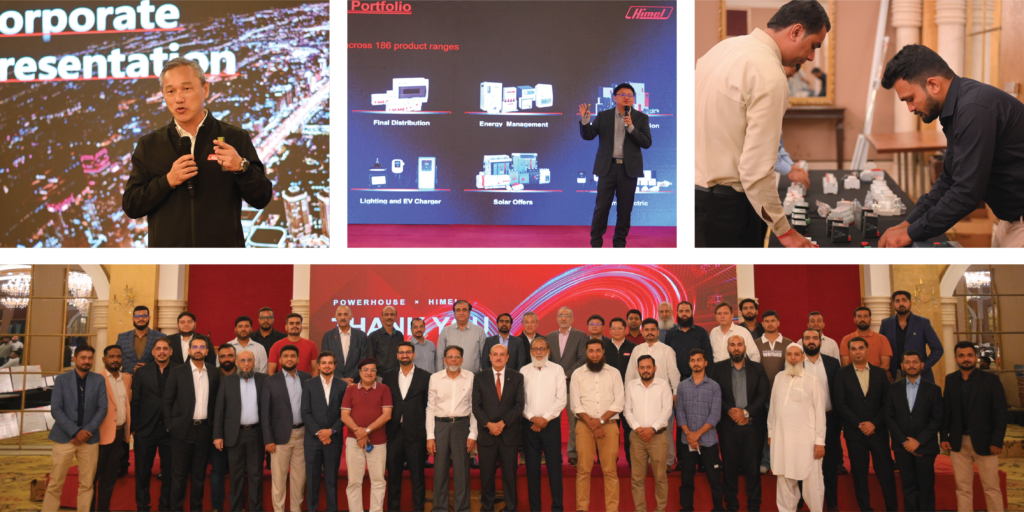
HIMEL Sees Strong Growth Opportunities in Pakistan Amid Rising Energy Demand and Infrastructure Development
HIMEL, a leading provider of reliable and accessible electrical solutions, has reaffirmed its long-term commitment…
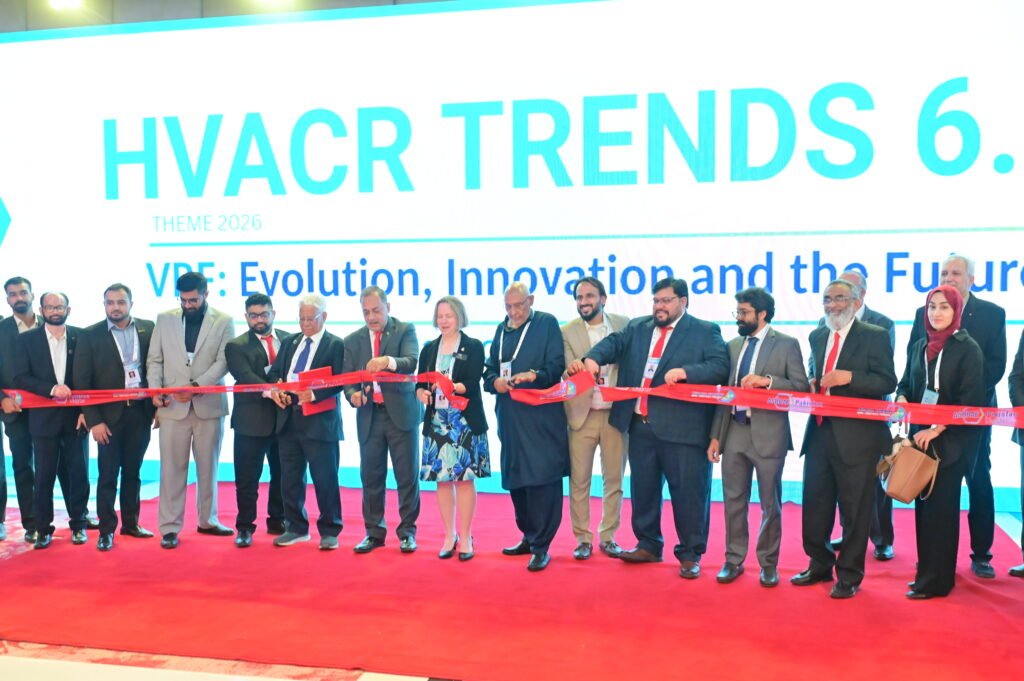
HVACR Trends 6.0 Draws 3,283 Visitors to Karachi as ASHRAE President Joins Pakistan’s Cooling Industry
The ASHRAE Pakistan Chapter concluded HVACR Trends 6.0, its sixth conference and exhibition, on 16–17…
From Rock to Reality: Bridging Academia and Industry
The Department of Chemical Engineering at NED University of Engineering & Technology, in collaboration with…
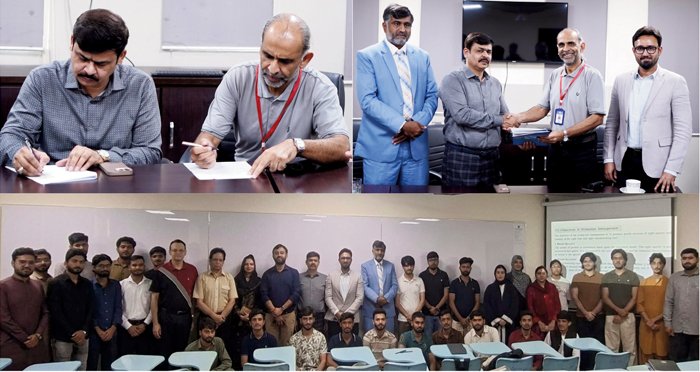
Pakistan HVACR Society, Lahore Chapter Signs MOU with UMT Lahore
A delegation of the Pakistan HVACR Society, Lahore Chapter led by Chairman Jafar Raza Haidery…