
By Ramesh Raja
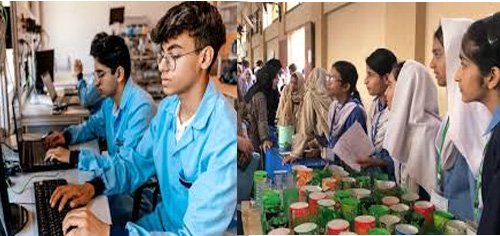
Sindh, with its rich cultural heritage and industrious population, is home to millions of youth, many of whom are unable to pursue higher education due to economic constraints. For these young individuals, the lack of access to education often translates into limited employment opportunities, perpetuating cycles of poverty. However, the future need not be bleak. By focusing on training in practical, future-relevant skills and trades, the youth of Sindh can become self-reliant, support their families, and make meaningful contributions to society. This approach can also address the growing poverty line, thereby transforming the province’s socio-economic landscape.
The Urgent Need for Skill-Based Training
While traditional education remains important, it is not a feasible option for all. Many youth, especially from rural and marginalized communities, cannot afford the cost or opportunity of higher education. For them, vocational and technical training presents a pathway to immediate employment and self-employment. Trades such as tailoring, carpentry, plumbing, electrical work, mobile and electronics repair, small-scale food services, and agriculture-related skills can provide sustainable income in the short term.
Beyond these immediate trades, the emerging global and local economic landscape demands skills that will remain relevant for the next 25 years. Digital literacy, renewable energy installation, AI-assisted tools, data entry, and creative services such as graphic design or digital marketing are set to become increasingly valuable. STE(V)TA, while a valuable institution, currently does not fully cover the breadth of trades that will be essential for the future economy. Therefore, a dynamic, forward-looking approach to youth training is necessary.
Using Existing Infrastructure to Create a Training Ecosystem
The government of Sindh has a vast network of offices, schools, and colleges, which can be leveraged to establish a province-wide skill training ecosystem. These facilities, often underutilized outside working hours, can serve as training hubs for
vocational and technical skills.
- Schools and colleges can provide classrooms and laboratories for training in trades like IT, digital marketing, electronics, and renewable energy.
- Government offices and community centers can host practical workshops in trades such as plumbing, electrical work, tailoring, and carpentry.
- Libraries can be converted into learning centers for theoretical knowledge, online tutorials, and entrepreneurship guidance.
- Mobile training units can reach remote villages, delivering practical sessions directly to youth who cannot travel to city centers.
By combining existing infrastructure with trained instructors, industry partnerships, and community engagement, a province-wide skill development network can be created at minimal cost.
Government’s Role and Policy Recommendations
To enable this vision, the government must take proactive measures:
- Expand and Update STEVTA Programs
- Introduce new trades aligned with emerging technologies, renewable energy, healthcare, digital services, and AI-assisted tools.
- Regularly revise curricula to match market demand and future trends.
- Subsidize Training for Poor Youth
- Offer free or low-cost courses, stipends for trainees, and micro-loans to purchase tools.
- Ensure that economic barriers do not prevent participation.
- Integrate Vocational Training into Education
- Introduce skill-development hours in schools and colleges.
- Encourage apprenticeships and community mentorship programs.
- Leverage Public-Private Partnerships
- Collaborate with businesses to provide apprenticeships, tools, mentorship, and job placement.
- Encourage CSR initiatives that fund skill development in rural areas.
- Promote Awareness and Community Engagement
- Conduct campaigns highlighting the economic potential of skilled trades.
- Showcase success stories to motivate youth and break stigmas around vocational work.
- Certification and Recognition
- Ensure that all training programs provide nationally recognized certifications that enhance employability and credibility.
Eradicating Poverty through Skills
By equipping youth with both practical and future-oriented skills, Sindh can achieve multiple objectives simultaneously:
- Reduce dependency on traditional, low-income jobs.
- Create opportunities for self-employment and micro-businesses.
- Enable youth to participate in the digital economy and emerging industries.
- Transform underutilized infrastructure into productive learning hubs, accessible across urban and rural areas.
Over the next 25 years, youth trained in these needful trades and emerging skills will be capable of meeting local demands, adapting to technological shifts, and generating sustainable livelihoods. This approach will not only empower the youth economically but also significantly contribute to reducing poverty and unemployment in Sindh.
Conclusion
The youth of Sindh are at a critical crossroads. Without intervention, many will remain trapped in cycles of poverty. However, by prioritizing vocational and future-relevant training, leveraging existing infrastructure, updating STEVTA programs, and engaging the private sector and communities, the province can create a self-sustaining ecosystem of skilled, employable, and self-reliant youth. This is not merely a policy recommendation; it is an economic imperative and a step towards inclusive development, social stability, and long-term prosperity for Sindh.
Engr. Ramesh Raja is a civil engineer and managerial/ planning professional who also contributes as a freelance writer on technical matters. He may be reached at engineer.raja@gmail.com
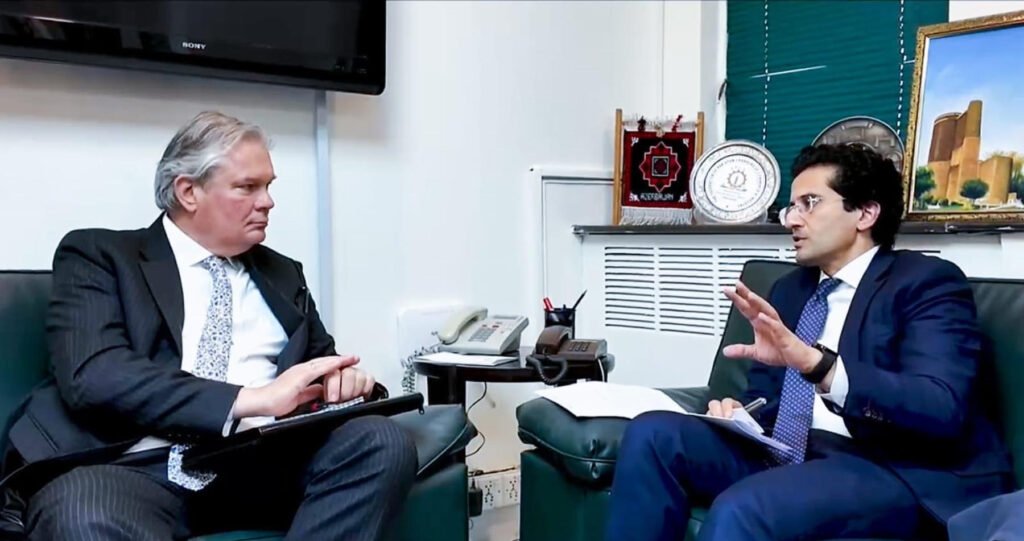
Pakistan, Netherlands Explore Expanded Energy Cooperation
PAKISTAN Federal Minister for Petroleum Ali Pervaiz Malik held a meeting with H.E. Robert Jan…
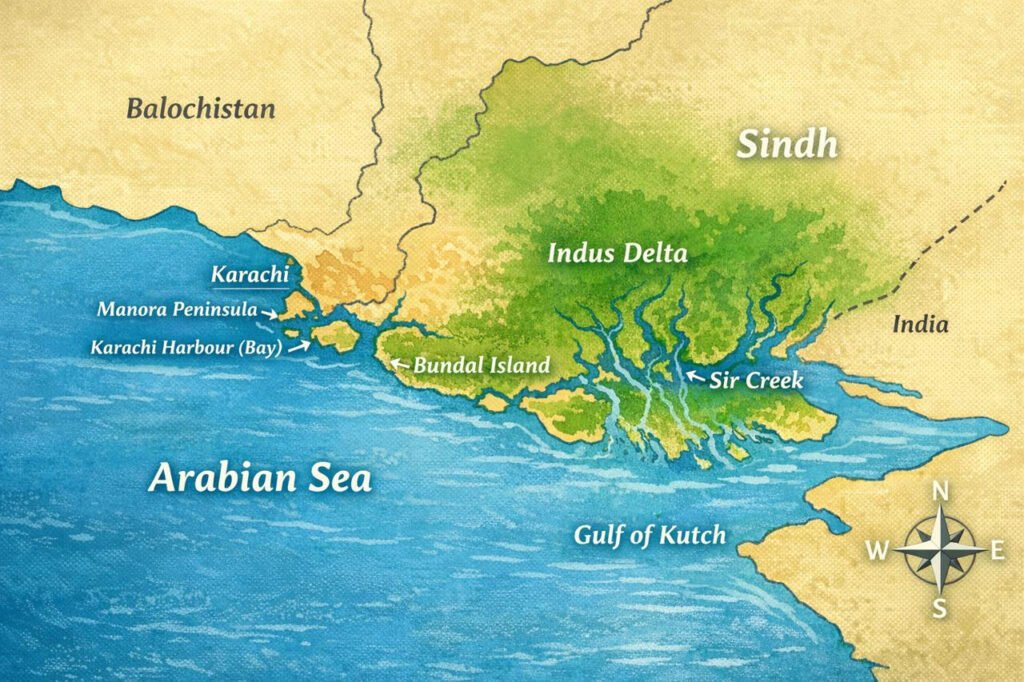
Proposal to Establish Blue Economy Sectoral Council to Boost Exports
PAKISTAN Rana Ihsaan Afzal Khan, Coordinator to the Prime Minister on Commerce, held a meeting…

Pakistan raises climate concerns at Arctic Circle Rome Forum
WORLD Federal Minister for Climate Change Musadik Masood Malik represented Pakistan at the Arctic Circle…

OGDCL, PPL Announce Oil and Gas Discovery at Baragzai X-01 Well
PAKISTAN Oil and Gas Development Company Limited (OGDCL) and Pakistan Petroleum Limited (PPL) have announced…
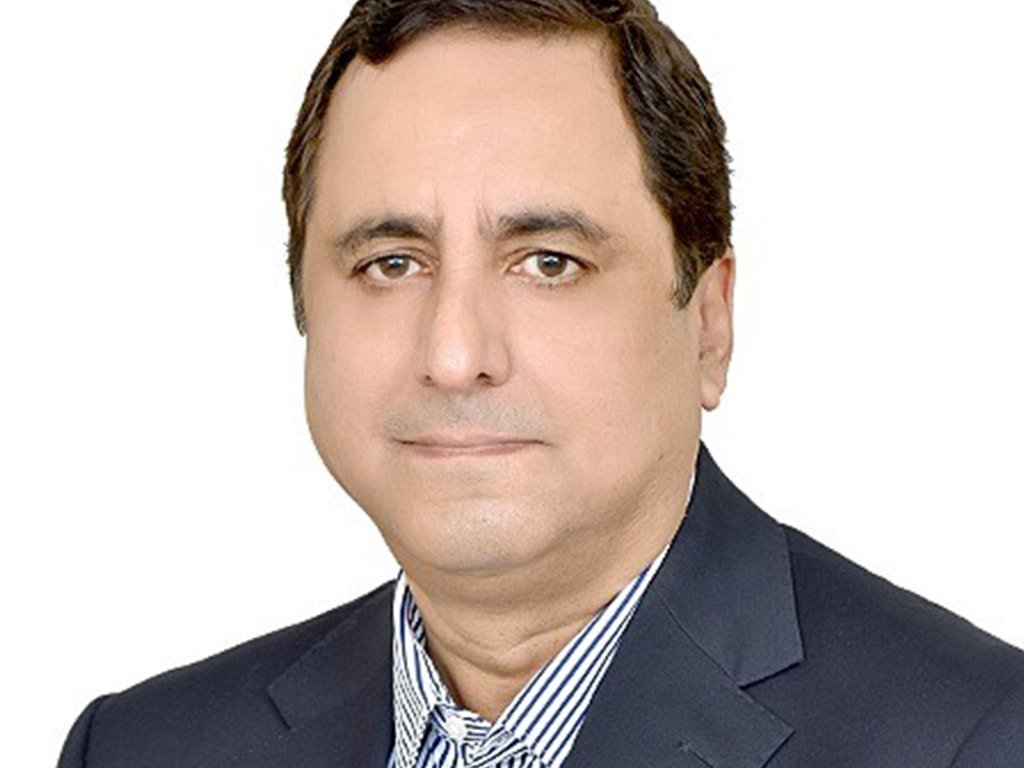
Supernet Announces CEO Change, Jamal Nasir Khan Appointed as New Chief Executive
PAKISTAN Supernet Limited has announced a change in its top management, informing the Pakistan Stock…
Building Future with Tech-Skilled Youth
By Ramesh Raja Sindh, with its rich cultural heritage and industrious population, is home to…
Leave a Reply