
PAKISTAN
By Ramesh Raja
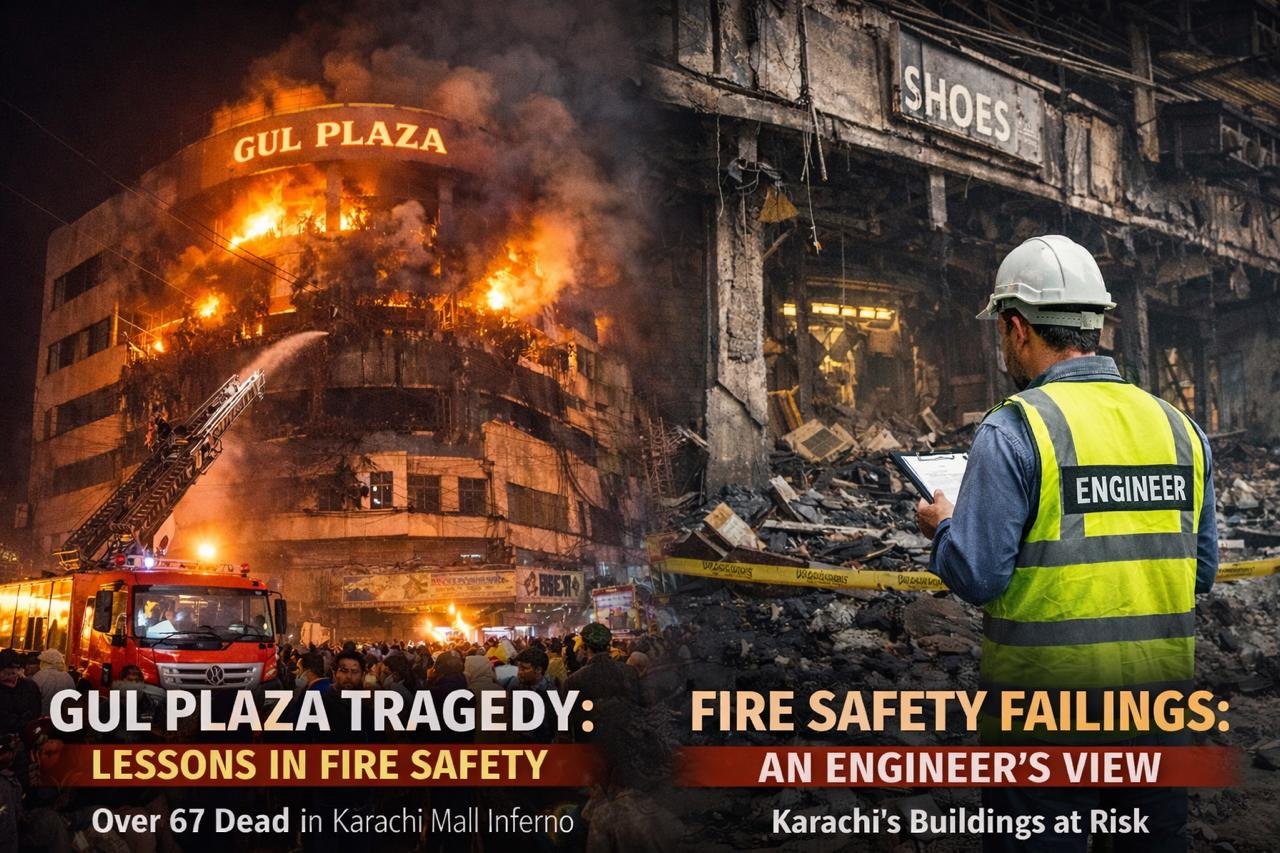
The tragic fire at Gul Plaza, MA Jinnah Road, which claimed over 67 lives up till now and left many injured, is a stark reminder of the vulnerabilities inherent in Karachi’s urban infrastructure. As a civil engineer, observing the incident reveals not just the immediate causes but systemic design and regulatory failures that contributed to this catastrophe.
Recurring Urban Tragedies
Karachi has witnessed multiple high-fatality fires in recent decades:
• Baldia Town Factory Fire (2012): 259 deaths, highlighting industrial negligence.
• Regent Plaza Fire (2015): 11 fatalities due to poor evacuation planning.
• RJ Shopping Mall Fire (2023): 11 deaths; inadequate fire suppression systems exposed.
The Gul Plaza incident follows this unfortunate pattern, demonstrating that lessons from past tragedies remain inadequately applied in both design and oversight.
Engineering Insights: Why the Fire Spread So Rapidly
From a structural and civil engineering viewpoint, several factors aggravated the incident:
- Design flaws: Insufficient fire exits, absence of smoke-proof staircases, and blocked evacuation routes.
- Materials and load management: Combustible finishes and merchandise accelerated fire spread.
- Fire suppression deficiencies: Lack of sprinklers, heat detectors, and accessible firefighting equipment.
- Emergency access limitations: Narrow streets and congested surrounding areas delayed response time.
Such issues reflect a failure to integrate hazard assessments, code compliance, and disaster resilience during the planning and construction phases.
Unforeseen Risks That Must Be Anticipated
Civil engineers and regulatory authorities must consider:
• Structural hazards including earthquakes and heavy live loads.
• Electrical faults, flammable materials, and kitchen hazards.
• Human factors like overcrowding and panic behavior.
• Mechanical failures (lifts, escalators) and utility interruptions.
Neglecting these factors, as evident in Gul Plaza, turns ordinary emergencies into large-scale disasters.
Necessary Safety Provisions
As professionals responsible for building safety, civil engineers advocate for:
• Seismic-resistant structures and proper anchoring of non-structural elements.
• Comprehensive fire detection systems, including smoke detectors, sprinklers, and alarms.
• Adequate evacuation planning, with multiple staircases, refuge zones, emergency lighting, and clear signage.
• Regulatory enforcement, with periodic inspections and mandatory audits to ensure compliance.
The collaboration between engineers, builders, and government departments is critical to safeguard lives.
Immediate Actions for Gul Plaza
Beyond rescue operations, structural engineers must ensure the building’s stability during recovery, assist in investigating failure points, and help design measures to prevent similar future catastrophes. Meanwhile, authorities should audit other multi-story plazas for compliance and implement emergency preparedness drills and public awareness programs.
Prevention Over Compensation
While monetary compensation is often announced after such tragedies, no financial support can replace human life. As civil engineers, urban planners, and policymakers, our duty is to ensure prevention through design, enforcement, and education.
The Gul Plaza fire is a call for Karachi to embrace engineering rigor, strict compliance, and proactive urban safety measures. Only then can the city prevent history from repeating itself, saving lives and protecting communities.
READ MORE

Pakistan HVACR Society to Hold 3rd Mini Expo in Faisalabad
PAKISTAN The Pakistan HVACR Society (Faisalabad Chapter) has announced the organization of its 3rd Mini…

Pakistan Signs First Carbon Market MoU under Paris Agreement with Norway
PAKISTAN Pakistan and Norway has signed the country’s first bilateral agreement under Article 6.2 of…
Gul Ahmed Textile Mills Limited Appoints Mohammed Zaki Bashir as CEO
PAKISTAN Gul Ahmed Textile Mills Limited (GATM) has appointed Mohammed Zaki Bashir as its Chief…

Lucky Cement Limited Subsidiary Enters Partnership with GAC Group
PAKISTAN Lucky Cement Limited has announced that its subsidiary, Lucky Motor Corporation Limited (LMC), has…
OGDCL Announces Start of Production from Spinwam-1 Discovery
PAKISTAN Oil and Gas Development Company Limited (OGDCL) has announced the commencement of gas and…
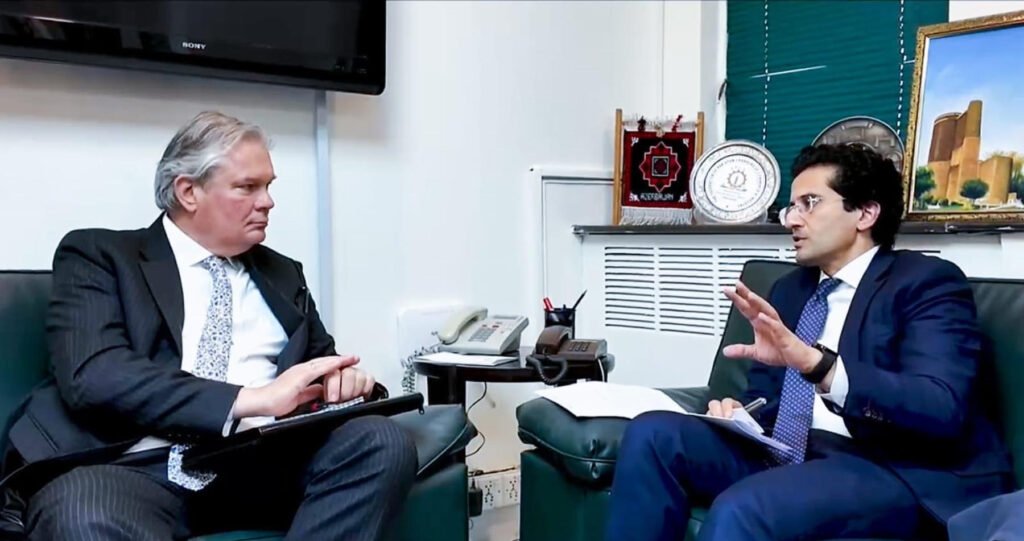
Pakistan, Netherlands Explore Expanded Energy Cooperation
PAKISTAN Federal Minister for Petroleum Ali Pervaiz Malik held a meeting with H.E. Robert Jan…
Leave a Reply