
PAKISTAN
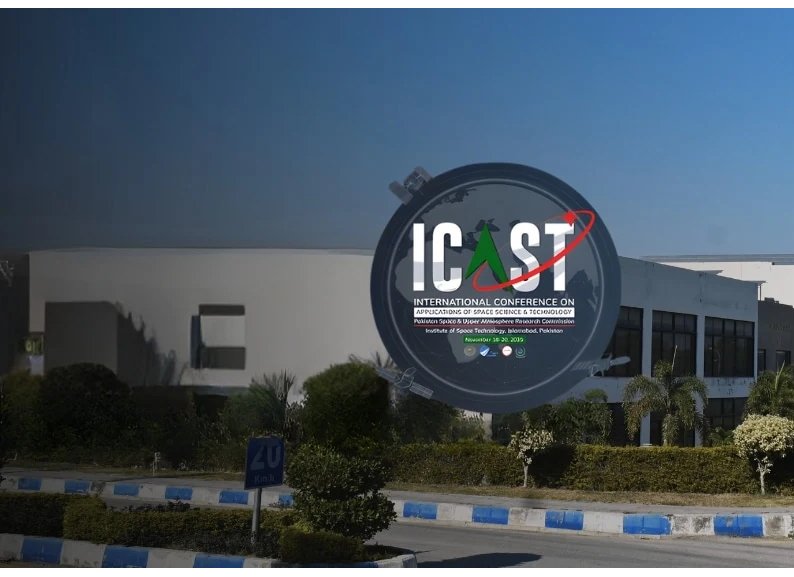
Pakistan is gearing up to host a landmark international scientific event as it welcomes the global space community to the International Conference on Applications of Space Science and Technology (ICAST–2025), its premier space science gathering.
Scheduled for November 18–20 at the Institute of Space Technology (IST) in Islamabad, the conference aims to foster global dialogue, innovation and collaboration in space science and technology, the Pakistan Space & Upper Atmosphere Research Commission (SUPARCO) said in a press release.
Jointly organised by SUPARCO and IST, ICAST–2025 is being held in partnership with leading international bodies, including the Inter-Islamic Network on Space Science and Technology (ISNET), the Asia-Pacific Space Cooperation Organisation (APSCO), the Islamic World Educational, Scientific and Cultural Organisation (ICESCO), the Institute of Electrical and Electronics Engineers (IEEE), and the National Center of GIS and Space Applications (NCGSA).
“ICAST–2025 will bring together leading scientists, researchers, students, policymakers, astronauts, academicians and representatives of international organisations. Centered on the theme ‘Space for Sustainable Development’, the conference will offer a dynamic platform to examine the growing role of space science and technology in addressing global challenges,” SUPARCO said.
Topics will range from climate change and food security to disaster resilience and sustainable infrastructure. Sessions will focus on how space-based technologies can advance socio-economic development, enable data-driven policymaking and strengthen global cooperation, with an emphasis on inclusivity and collective human benefit.
More than 70 international delegates and participants from over 25 countries across Asia, Europe, Africa, North America and Oceania are expected to attend. Countries represented include Australia, Austria, Azerbaijan, Bangladesh, Belgium, Canada, China, Egypt, Iraq, Italy, Kazakhstan, Lebanon, Mongolia, Morocco, the Netherlands, New Zealand, Russia, Saudi Arabia, Senegal, Singapore, Sudan, Tunisia, Turkiye, the United Arab Emirates and the United States.
With a total expected attendance of more than 2,000 participants, the event will serve as a major hub for international collaboration and knowledge exchange in the space domain.
The three-day programme features ISNET’s Strategic Leadership Forum (SLS), three specialised seminars, three panel discussions, five plenary sessions, 12 masterclasses and 23 technical sessions spread across eight tracks: Aeronautics & Astronautics, Astronomy & Astrophysics, Satellite Technology, Positioning Navigation & Timing (PNT), Remote Sensing & GIS, Environmental Science & Climate Change, Information and Communication Technologies (ICT), and Space Law, Management & Outreach. A scientific poster session, technology exhibition and a “Meet the Astronauts” forum featuring astronauts from Turkiye, Mongolia and the United States will also be held.
Designed for students, researchers, industry professionals and the general public, the sessions aim to provide an immersive learning experience and direct engagement with global experts.
A key highlight will be a dedicated session on Moon Sighting: Scientific, Religious and Technological Perspectives, bringing together international scholars to discuss observational techniques, cultural practices and modern satellite-based methods.
The programme will also emphasise geospatial and satellite-based applications, with special sessions marking GIS Day 2025, focusing on Earth observation, climate monitoring and the use of artificial intelligence in geospatial decision-making.
In addition, the conference carries significant diplomatic and strategic importance. It will host ISNET’s 14th Governing Body Meeting (GBM) and facilitate the signing of several Memoranda of Understanding (MoUs) with space agencies and international organisations from the Asia-Pacific Region, Bangladesh, Iraq, Kazakhstan, Senegal, Tunisia and others, aimed at strengthening cooperation in the peaceful use of space science and technology.
SUPARCO said ICAST–2025 is expected to catalyse global partnerships, drive innovation in the developing world and promote space technologies as tools for peace, progress and prosperity — making the event a milestone in global visibility, scientific advancement and national pride. – ERMD
MORE NEWS
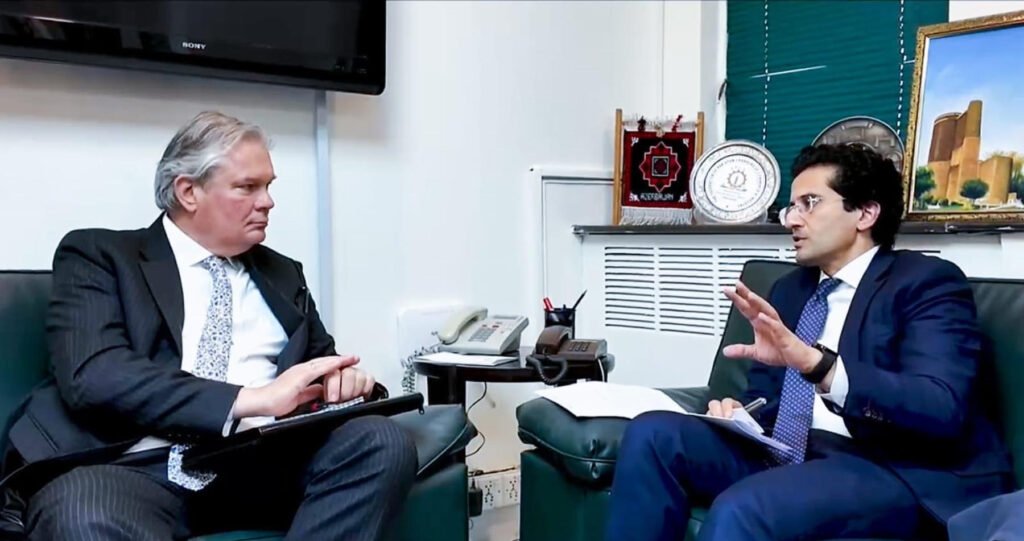
Pakistan, Netherlands Explore Expanded Energy Cooperation
PAKISTAN Federal Minister for Petroleum Ali Pervaiz Malik held a meeting with H.E. Robert Jan…
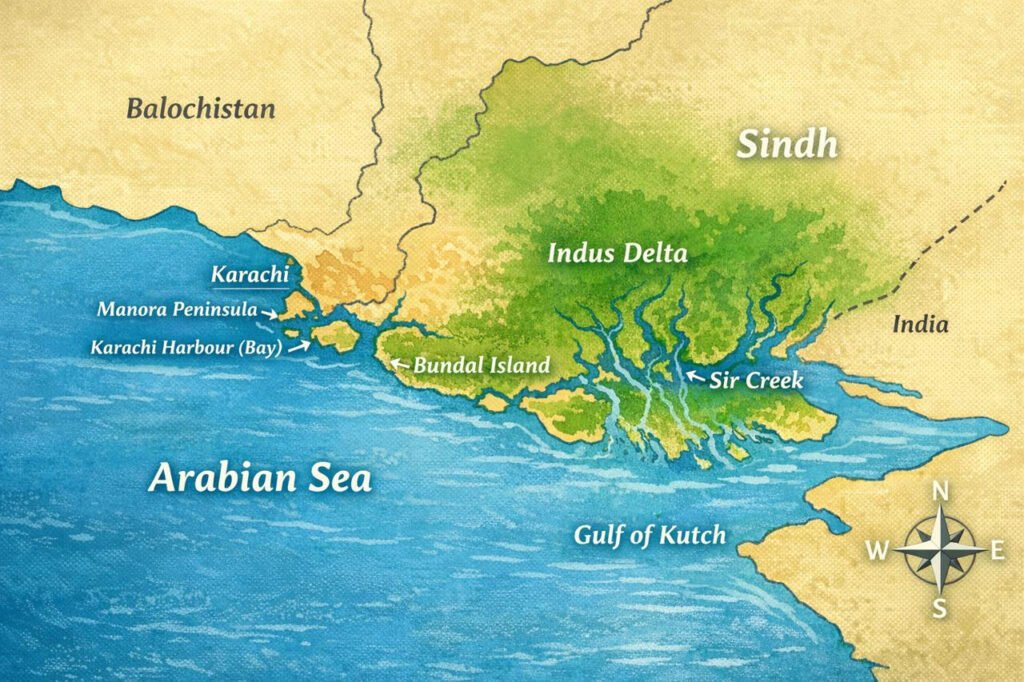
Proposal to Establish Blue Economy Sectoral Council to Boost Exports
PAKISTAN Rana Ihsaan Afzal Khan, Coordinator to the Prime Minister on Commerce, held a meeting…

Pakistan raises climate concerns at Arctic Circle Rome Forum
WORLD Federal Minister for Climate Change Musadik Masood Malik represented Pakistan at the Arctic Circle…
OGDCL, PPL Announce Oil and Gas Discovery at Baragzai X-01 Well
PAKISTAN Oil and Gas Development Company Limited (OGDCL) and Pakistan Petroleum Limited (PPL) have announced…
Supernet Announces CEO Change, Jamal Nasir Khan Appointed as New Chief Executive
PAKISTAN Supernet Limited has announced a change in its top management, informing the Pakistan Stock…
Building Future with Tech-Skilled Youth
By Ramesh Raja Sindh, with its rich cultural heritage and industrious population, is home to…
Leave a Reply