
PAKISTAN
By Ramesh Raja
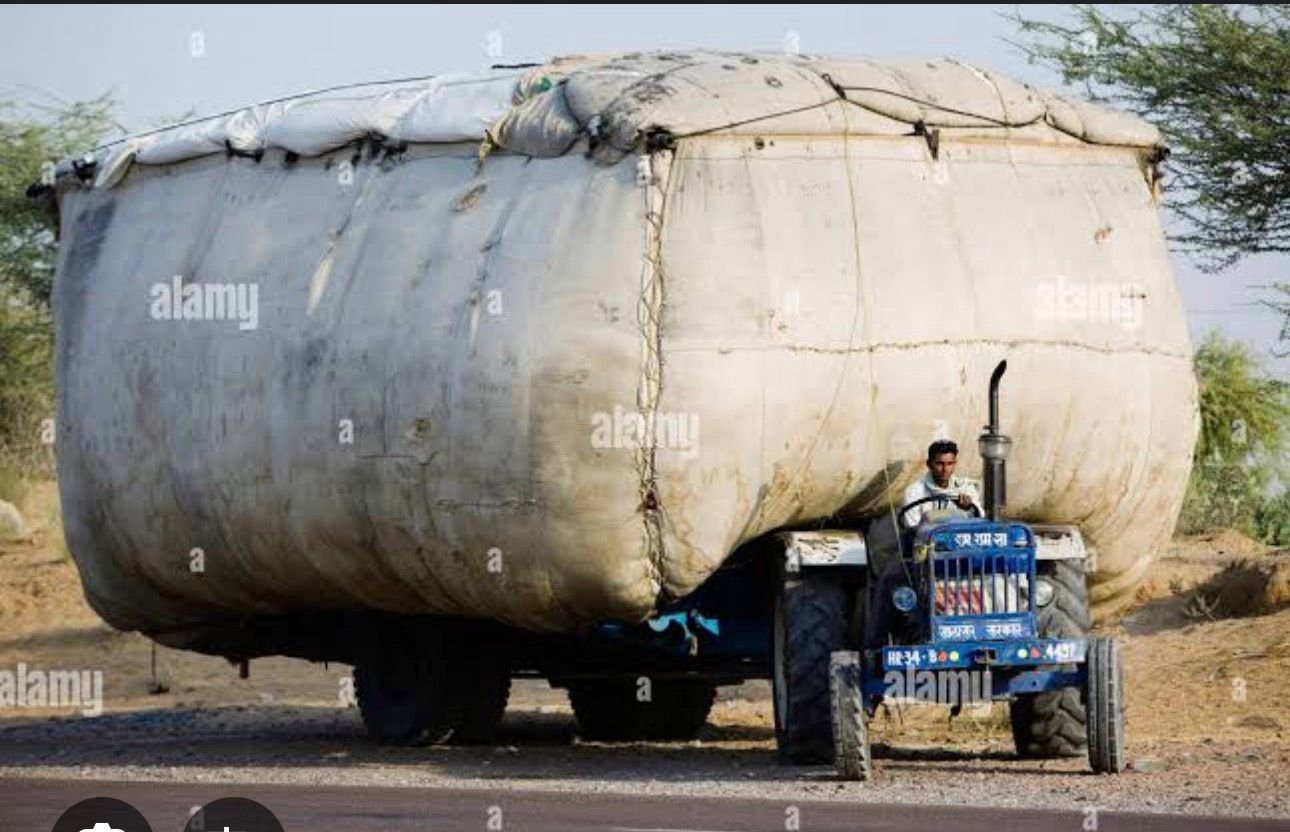
Across the fields of Sindh and Punjab, the harvest season is a time of economic activity—but on the roads, it has become a season of tragedy. Every year, scores of families lose fathers, sons, and daughters to accidents caused by overloaded tractor trolleys and trucks carrying sugarcane, cotton, and rice or wheat bhoosa. These are not ordinary collisions—they are preventable disasters, born from vehicles that extend far beyond their legal width, lack reflectors, and operate on rural and highway roads with little oversight.
The Invisible Killers: Extra-Width Vehicles
Imagine a narrow two-lane country road. Now picture a tractor trolley loaded with sugarcane stretching over two lanes, its taillights completely hidden by the crop. At night, a motorcyclist approaches, unable to see the obstruction in time. Within seconds, a life is lost.
This is the daily reality in Sindh’s sugarcane belt—Badin, Thatta, Tando Allahyar—and Punjab’s cotton heartlands—Multan, Rahim Yar Khan, and Faisalabad. Tractor trolleys and trucks carrying loose bhoosa and crop residues extend dangerously beyond the vehicle’s dimensions. Rear and side reflectors are rare. Drivers, pressed for time and profit, take risks that cost lives.
Families Torn Apart
The human cost is devastating. Fathers crushed in collisions; children losing primary caregivers; mothers widowed in a single, preventable night. In many cases, accidents go unreported, and local hospitals simply tally bodies without highlighting the underlying cause: unsafe agricultural transport.
Statistics reveal the scale of this crisis:
- Pakistan sees over 41,000 road deaths annually, with rural accidents contributing a significant portion.
- In Punjab alone, 4,791 people were killed in 2025, a 19% increase from the previous year.
- Tractor-trolley crashes specifically account for about 10% of all road deaths in the province, according to emergency services reports.
- Motorcycles, the primary mode of rural transport, are involved in 75% of these accidents, highlighting the vulnerability of ordinary families.
These numbers are more than statistics—they are families shattered and futures lost.
Roads Not Built for This Burden
It’s not just human life at risk. Roads in Pakistan’s countryside are designed for light to medium traffic, not for tractor trolleys carrying multiple tons of sugarcane or cotton. Excessive width and weight can cause rutting, shoulder collapse, and damage to culverts. When these overloaded vehicles enter highways, they disrupt traffic flow, force unsafe overtaking, and accelerate pavement deterioration. Public funds are wasted on constant repairs while fatalities continue unabated.
Why Enforcement Fails
Why does this persist? The answer lies in weak governance, fragmented authority, and cultural acceptance. Traffic police, highways departments, agriculture departments, and local administrations share overlapping responsibilities, yet enforcement is seasonal and reactive. Farmers and transporters operate without proper awareness or incentives to comply, and laws regarding vehicle width, load limits, and mandatory reflectors are rarely enforced.
Even when roads are wide enough, extra-width vehicles force other traffic into dangerous positions. On highways, this creates bottlenecks, head-on risks, and chaotic conditions, especially during harvest months.
Lessons from Abroad
Countries like India, Australia, and EU members have tackled similar challenges effectively:
- Tractor trolleys classified as restricted agricultural vehicles with daylight-only operation.
- Mandatory rear and side reflectors, tail lights, and hazard boards.
- Dedicated corridors and seasonal permits manage harvest traffic safely.
Pakistan can adopt similar measures, tailored for Sindh and Punjab, to save lives without harming farmers’ livelihoods.
A Way Forward
The solution is clear and urgent:
- Strict enforcement of width, length, and axle-load limits for tractor trolleys and trucks.
- Mandatory reflectors and hazard boards for all agricultural vehicles.
- Dedicated harvest season corridors and route planning on highways and farm-to-market roads.
- Public awareness campaigns in Sindhi, Punjabi, and Urdu about the human cost of unsafe loading.
- Infrastructure upgrades where loads exceed original road design limits.
Billions are wasted repairing damaged roads, and countless lives are lost—not because of nature, but because of human neglect. Farmers, transporters, and authorities must work together. Roads are not private property—they are public lifelines.
When Convenience Kills
The sugarcane trolley may look harmless on a field, and a heap of cotton or bhoosa may seem like a minor inconvenience on a country lane. But when these vehicles hit public roads, they become invisible killers. Every year, families mourn loved ones; children grow up without fathers; and communities suffer under broken roads.
It’s time to stop this silent epidemic. Enforce the laws. Install reflectors. Redesign transport logistics. Protect lives. Because no harvest, however valuable, is worth a family’s tragedy.
READ MORE
Pakistan, Netherlands Explore Expanded Energy Cooperation
PAKISTAN Federal Minister for Petroleum Ali Pervaiz Malik held a meeting with H.E. Robert Jan…
Proposal to Establish Blue Economy Sectoral Council to Boost Exports
PAKISTAN Rana Ihsaan Afzal Khan, Coordinator to the Prime Minister on Commerce, held a meeting…

Pakistan raises climate concerns at Arctic Circle Rome Forum
WORLD Federal Minister for Climate Change Musadik Masood Malik represented Pakistan at the Arctic Circle…
OGDCL, PPL Announce Oil and Gas Discovery at Baragzai X-01 Well
PAKISTAN Oil and Gas Development Company Limited (OGDCL) and Pakistan Petroleum Limited (PPL) have announced…
Supernet Announces CEO Change, Jamal Nasir Khan Appointed as New Chief Executive
PAKISTAN Supernet Limited has announced a change in its top management, informing the Pakistan Stock…
Building Future with Tech-Skilled Youth
By Ramesh Raja Sindh, with its rich cultural heritage and industrious population, is home to…
Leave a Reply