
PAKISTAN
By Ramesh Raja
Sukkur, one of northern Sindh’s most critical commercial and logistical hubs, is standing at a pivotal moment in its urban evolution. Once a mid-sized river town, the city has now expanded into a regional center connecting Sindh with Punjab and Balochistan. With a metropolitan population approaching one million and district estimates nearing two million, Sukkur’s rapid growth is intensifying pressure on its aging transport infrastructure.
Strategically located along the Indus River, Sukkur hosts vital agricultural, industrial, commercial, and freight activities. Large flows of goods from Punjab to Karachi and from Balochistan to Upper Sindh pass through its corridors. Yet the city’s road network, still shaped by its historic urban core and organic development patterns, is struggling to keep up with modern mobility demands.
The Anatomy of Congestion
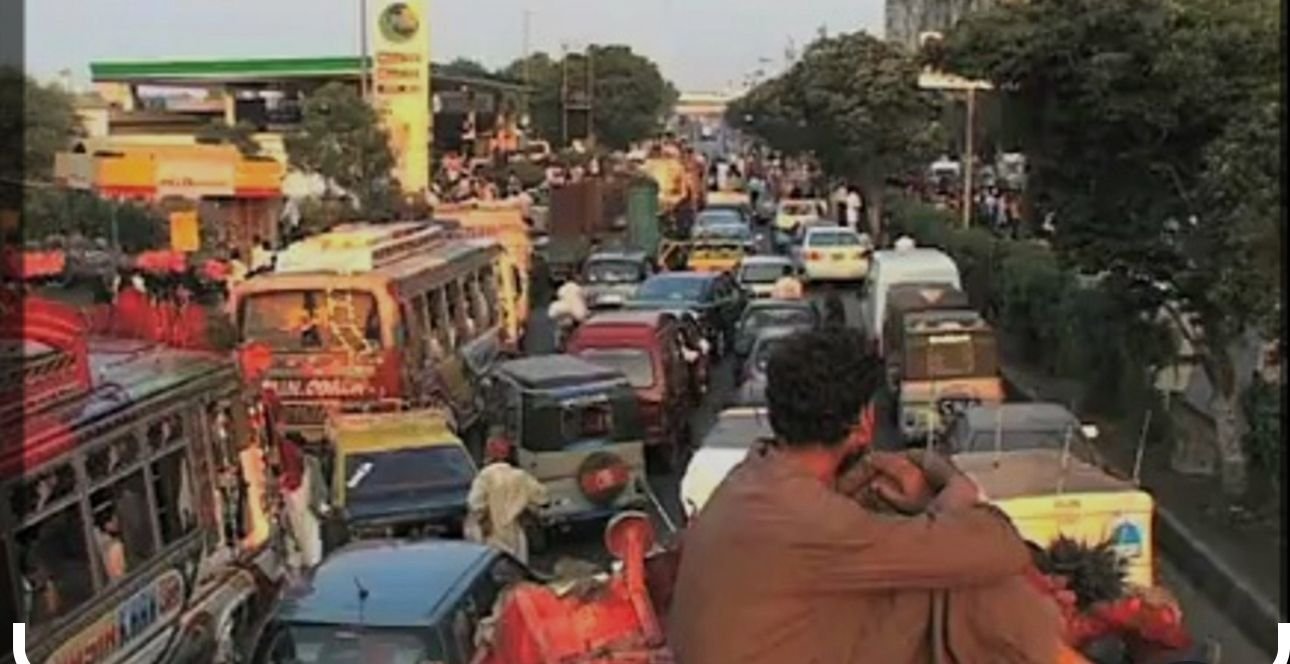
Traffic congestion has become a defining urban challenge for Sukkur. Narrow streets in the old city, unregulated commercial activity, poor intersection design, and encroachments have together created chronic bottlenecks. Key choke points such as Ghanta Ghar Chowk, Shikarpur Chowk, Suzuki Stand Chowk, and the central business district suffer from constant gridlock.
The situation is aggravated by unplanned on-street parking, informal vendor encroachments, mixed slow and fast traffic streams, and limited enforcement of traffic regulations. Road surface conditions vary widely, and pedestrian infrastructure remains inadequate in many high-footfall areas, exposing residents to safety risks.
The city’s entry and exit points have become additional pressure zones. Traffic entering from Pano Aqil and Ghotki (north), Shikarpur and Jacobabad (west), Hyderabad and Karachi (south), and Rohri (east) merges into an urban grid that was not designed to handle such high-volume, high-speed inflows. Long-haul freight, intercity buses, and intra-city transport all converge on the same corridors, overwhelming traffic capacity.
Public Transport: Progress, but Still Insufficient
While the launch of the People’s Bus Service has provided a much-needed mobility option, its current scale cannot yet accommodate Sukkur’s rising population and increasing commuter demands. Rickshaws and informal modes continue to dominate intra-city travel, creating further congestion and safety challenges.
Plans for an improved intra-city bus network and a future regional rail link between Karachi and Sukkur offer hope, but these initiatives require substantial investment, coordination, and strong governance to deliver meaningful and lasting impact.
Sukkur’s Entry & Exit Points: The Gateway Challenge
Sukkur’s strategic location makes it a crossroads city. The northern entrance along the N-5, the western approach from Shikarpur via the N-65, the southern gateway toward Hyderabad and Karachi, and the eastern crossing from Rohri collectively funnel thousands of vehicles into the urban core daily.
These corridors are not only congested, they are structurally mismatched with the scale of the traffic they carry. Ribbon development, roadside bus stops, and informal market activity further reduce roadway efficiency. The narrow historic bridges connecting Sukkur and Rohri, especially the Lansdowne Bridge, add another layer of complexity to cross-river mobility.
Practical, Achievable Solutions
While Sukkur’s transportation challenges are extensive, they are not insurmountable. What is required is a holistic, phased approach focusing on low-cost, high-impact interventions in the short term, followed by long-term structural reforms.
- Reclaim Road Space
Immediate removal of encroachments, strict regulation of on-street parking, and enforcement of no-parking zones in the central district would restore essential road capacity. - Modernize Traffic Management
Introducing one-way road loops in congested commercial areas, redesigning intersections like Shikarpur Chowk, and deploying traffic wardens and camera enforcement can significantly improve vehicular flow. - Invest in Public Transport
Expanding the People’s Bus Service, introducing dedicated or semi-dedicated bus lanes, and ensuring reliable and frequent service will shift commuters away from using private vehicles and rickshaws for short trips. - Build Multilevel Parking Plazas
Proper parking infrastructure in the CBD—including underground or multilevel facilities—can eliminate the choke caused by haphazard roadside parking. - Improve Entry/Exit Gateways
Sukkur needs upgraded, channelized gateways with designated bus bays, truck rest areas, and controlled access.
Future integration with the M-6 Motorway must be planned carefully to prevent new congestion nodes. - Long-Term Mass Transit Vision
A traditional metro is not viable for Sukkur’s urban scale, but BRT-Lite, bus priority corridors, and future commuter rail connectivity are realistic, cost-effective solutions.
A cross-river aerial cable-car link between Sukkur and Rohri may also be explored to ease bridge pressure and support tourism. - Urban Bypass & Freight Management
Western and southern bypass loops can divert heavy trucks away from the heart of the city. A dedicated freight terminal outside the urban core would further reduce the burden on arterial roads.
The Path Forward
Sukkur stands at a crossroads—literally and figuratively. Its future economic vitality depends on whether the city can transform its transportation system from a patchwork of outdated infrastructure into a well-planned, modern, and efficient network.
The solutions are well within reach. What is needed is coordinated action by local government, traffic police, urban planners, transport authorities, and civil society. A commitment to sustainable mobility, supported by smart planning and disciplined execution, can reshape Sukkur into a cleaner, safer, and more accessible city.
With the right investments and governance, Sukkur can reclaim its status not only as a vital trade center but also as a model for mid-sized city transportation reform in Pakistan.
Engr. Ramesh Raja is a civil engineer and managerial/planning professional who also contributes as a freelance writer on technical matters. He may be reached at engineer.raja@gmail.com
MORE ARTICLE BY THE AUTHOR
READ MORE
Gul Ahmed Textile Mills Limited Appoints Mohammed Zaki Bashir as CEO
PAKISTAN Gul Ahmed Textile Mills Limited (GATM) has appointed Mohammed Zaki Bashir as its Chief…

Lucky Cement Limited Subsidiary Enters Partnership with GAC Group
PAKISTAN Lucky Cement Limited has announced that its subsidiary, Lucky Motor Corporation Limited (LMC), has…
OGDCL Announces Start of Production from Spinwam-1 Discovery
PAKISTAN Oil and Gas Development Company Limited (OGDCL) has announced the commencement of gas and…
Pakistan, Netherlands Explore Expanded Energy Cooperation
PAKISTAN Federal Minister for Petroleum Ali Pervaiz Malik held a meeting with H.E. Robert Jan…
Proposal to Establish Blue Economy Sectoral Council to Boost Exports
PAKISTAN Rana Ihsaan Afzal Khan, Coordinator to the Prime Minister on Commerce, held a meeting…

Pakistan raises climate concerns at Arctic Circle Rome Forum
WORLD Federal Minister for Climate Change Musadik Masood Malik represented Pakistan at the Arctic Circle…
Leave a Reply