PAKISTAN
By Ramesh Raja
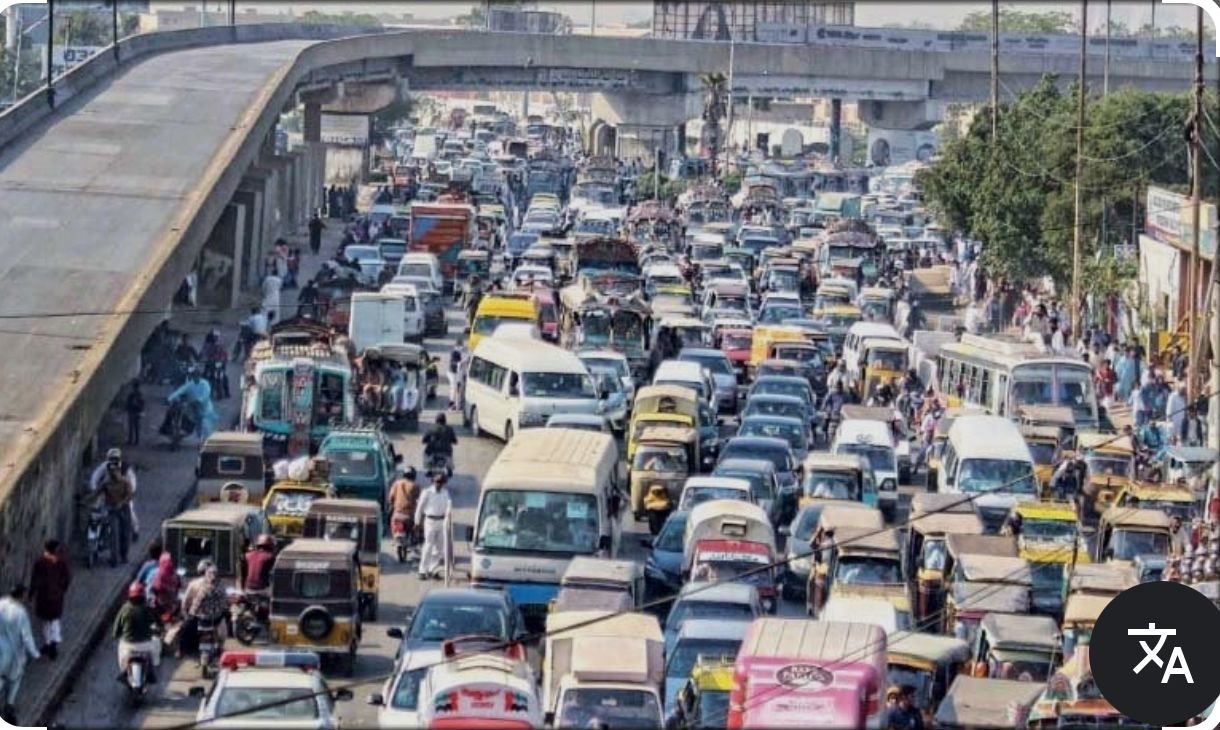
Karachi, a megacity of nearly 25 million residents, continues to struggle with a public transport system that remains vastly inadequate for its population. Due to the chronic shortage of reliable and accessible public transit, millions of citizens rely daily on motorcycles, rickshaws, and chingchis to navigate the city. Rather than attempting to remove these vehicles from the roads, the government must recognize their indispensable role and focus on improving how they operate.
Motorcycles: Karachi’s Primary Mode of Transport
With almost five million motorcycles in use—and approximately 700 new bikes added every day—motorcycles have become the backbone of Karachi’s mobility. Their rapid increase is primarily driven by:
- Lower cost compared to cars
- Limited availability of buses in many neighborhoods
- Reduced prices due to local assembly and manufacturing
For countless families, a motorcycle is not a luxury—it is their only safe, timely, and dependable means of reaching workplaces, schools, hospitals, and markets. Any sudden restrictions on motorcycles would directly impact millions of daily commuters.
Chingchis: The Most Affordable and Accessible Option
Karachi is home to an estimated 70,000 to 80,000 chingchis, which provide an essential service across the city. They remain popular because they are:V
- Economical
- Widely available
- Capable of navigating narrow, congested streets
- Heavily relied upon by students, daily-wage earners, shopkeepers, and office workers
Eliminating chingchis without first establishing a functioning alternative transport system would leave thousands stranded every day.
The Real Problem: Systemic Failures, Not the Vehicles
Karachi’s traffic congestion and road safety concerns are long-standing issues. However, two- and three-wheelers are not the cause; in fact, they help the city keep moving despite infrastructural failures. The real challenges stem from:
- Poor urban and transport planning
- Lack of traffic education
- Unsafe, outdated road design
- Severe shortage of dependable public transport
- Increased private vehicle ownership, encouraged in part by easy bank financing
Addressing these systemic problems is far more effective than restricting vehicles that millions depend on.
What Karachi Needs to Do Now
A practical and inclusive approach is essential. The following steps can significantly improve traffic flow and safety:
- Develop Dedicated Motorcycle Lanes
With millions of bikes on the roads, separated lanes will reduce accidents and improve overall traffic efficiency. - Regulate, Don’t Eliminate, Chingchis
Chingchis should be formally integrated into the transport system through:- Issued route permits
- Mandatory number plates
- Regular safety inspections
- Driver training and certification
This will make the service safer, more organized, and more efficient.
- Strengthen Rider Education
Comprehensive training on road safety, helmet use, and traffic rules is essential. Many accidents stem from a lack of formal instruction. - Improve Road Infrastructure
Clear lane markings, safe turning points, widened roads, and better-quality surfaces will enhance safety for all road users. - Build Modern Public Transport for the Future
Long-term relief will only come through large-scale investment in:- Bus fleets
- Karachi Circular Railway
- Modern train or tram systems
- Policies discouraging excessive private vehicle leasing
Until such systems are widespread and reliable, reliance on motorcycles and chingchis will remain unavoidable.

Motorcycles and chingchis are not the problem—they are the reason Karachi continues to function despite a weak public transport system. Restricting them without providing viable alternatives will only deepen the daily struggles of ordinary citizens.
Karachi needs a pragmatic strategy: improve existing transport modes, regulate them sensibly, and gradually expand modern public transport. Until the city offers safe, affordable, and efficient mass transit, two- and three-wheelers will remain the most practical and economical means of mobility for millions.
The city must plan with this reality in mind—not against it.
Engr. Ramesh Raja is a civil engineer and managerial/ planning professional who also contributes as a freelance writer on technical matters. He may be reached at engineer.raja@gmail.com
This article might also interest you
MORE MORE STORIES
Zong Launches 5G Home Broadband Service in Pakistan
Zong has launched Z HomeFi, a 5G fixed wireless access (FWA) home broadband service, aiming…
BYD Eyes Ultra-Fast EV Charging Technology for Pakistan
Chinese electric vehicle (EV) manufacturer BYD is in discussions with its Pakistani partner, Mega Motor…

Game-Based Digital Therapies Show Mixed Results in Treating Children with ADHD
Stimulant medications are among the most common treatments for children with attention-deficit/hyperactivity disorder (ADHD), helping…
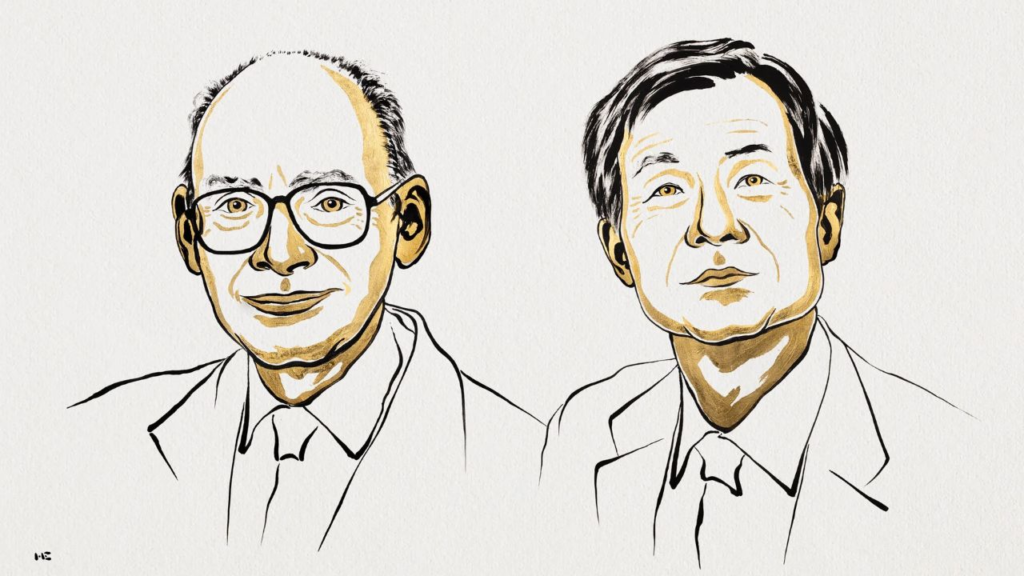
Henri Kagan and Kenso Soai Awarded 2026 Nobel Prize in Chemistry
Scientists Henri Kagan and Kenso Soai have been awarded the 2026 Nobel Prize in Chemistry…
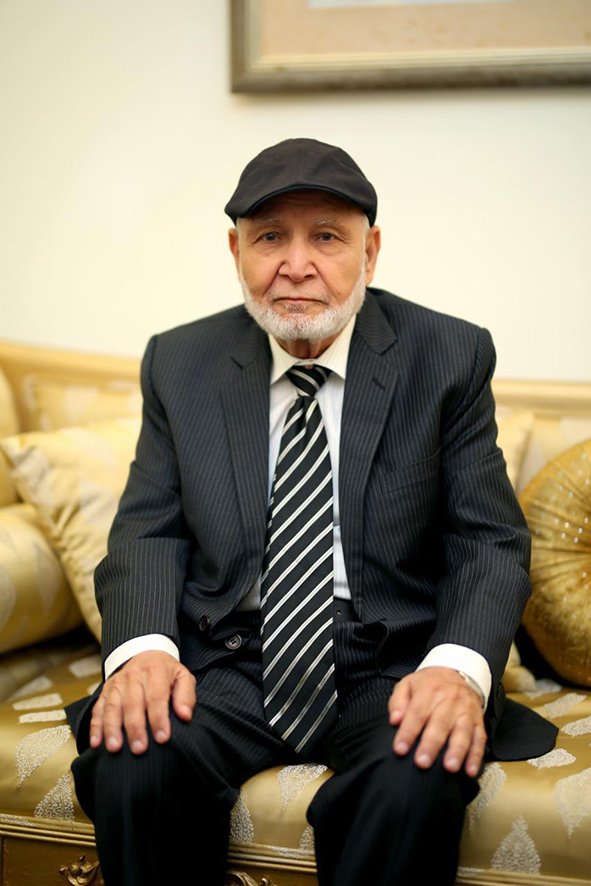
In Memory of Mohammad Akram Sheikh Chairman United Wire Industries
Mohammad Akram Sheikh Chairman United Wire Industries With profound sorrow, we remember Mr. Mohammad Akram…
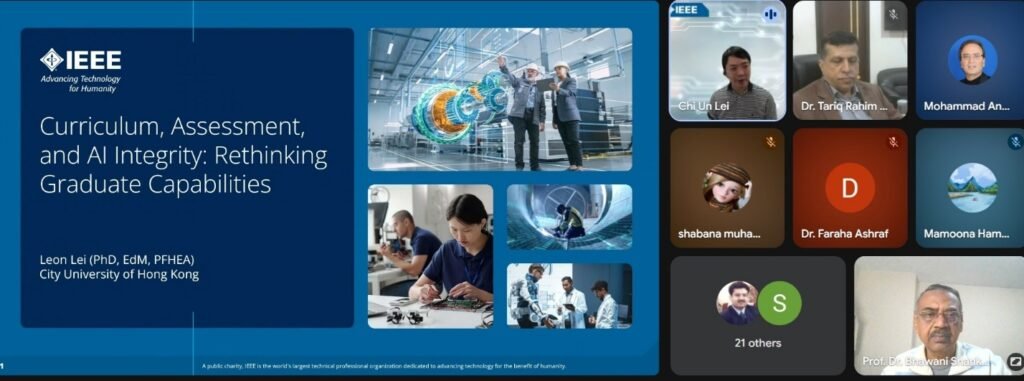
IEEE Education Society Karachi Section Hosts Dr. Chi-Un Lei Webinar
Rethinking Graduate Education in Age of AI Chair IEEE Education Society, Karachi Section, Prof Dr…