
PAKISTAN
Federal Minister for Climate Change and Environmental Coordination Dr. Musadik Malik on Monday highlighted the government’s plan to establish Green Clusters aimed at connecting young Pakistani entrepreneurs working on green startups with international investors.
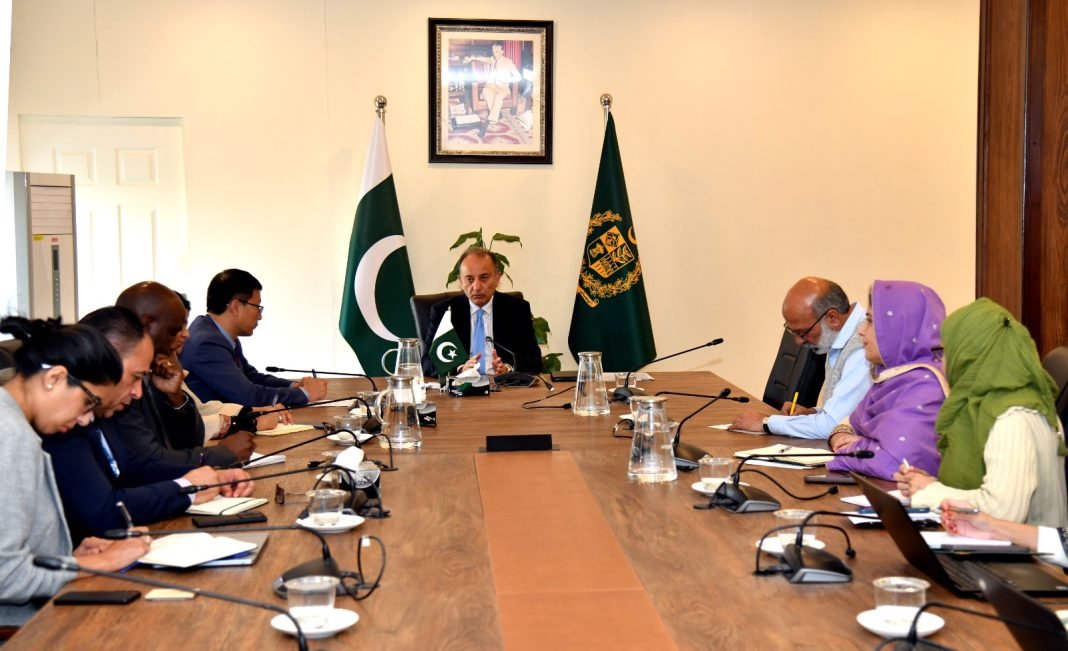
He underscored this initiative as a key component of the country’s strategy for sustainable economic and environmental development during a meeting with a delegation of the Food and Agriculture Organisation (FAO).
The delegation was led by Lifeng Li, Director of FAO’s Land and Water Division, who met the minister to explore avenues of cooperation in sustainable land use, water management and climate-resilient development.
During the discussion, Li noted Pakistan’s high vulnerability to climate change and emphasized the pivotal role that resilient food systems and sound natural resource governance play in mitigating its impacts. He briefed the minister on FAO’s ongoing work in Pakistan, including programmes aimed at preventing land degradation, improving management of the Indus Basin’s water resources and strengthening national water governance frameworks.
Li also presented the Country Programming Framework (2023–27) and demonstrated the Aqua Portal, an inter-agency platform designed to enhance data sharing and support informed decision-making.
Dr. Malik expressed appreciation for FAO’s continued technical support and urged special attention to areas that typically receive low public investment, such as institutional strengthening and capacity building. He reiterated that initiatives like the Green Clusters would not only drive innovation but also enable young entrepreneurs to access global markets and financing opportunities.
The minister also stressed the need for a formal collaborative mechanism involving administrative coordination, capacity development, and public–private partnerships to ensure long-term sustainability of climate-related interventions.
Cautioning against the diversion of development loans intended for education, health and human capital towards climate projects, Dr. Malik said such practices weaken progress toward achieving the Sustainable Development Goals (SDGs).
He called for strong ministerial engagement and greater alignment among federal, provincial and international stakeholders to ensure coherence, effectiveness and a sustained long-term impact of climate adaptation and mitigation efforts. – ER News Desk/APP
READ MORE NEWS

Zong Launches 5G Home Broadband Service in Pakistan
Zong has launched Z HomeFi, a 5G fixed wireless access (FWA) home broadband service, aiming…

BYD Eyes Ultra-Fast EV Charging Technology for Pakistan
Chinese electric vehicle (EV) manufacturer BYD is in discussions with its Pakistani partner, Mega Motor…

Game-Based Digital Therapies Show Mixed Results in Treating Children with ADHD
Stimulant medications are among the most common treatments for children with attention-deficit/hyperactivity disorder (ADHD), helping…
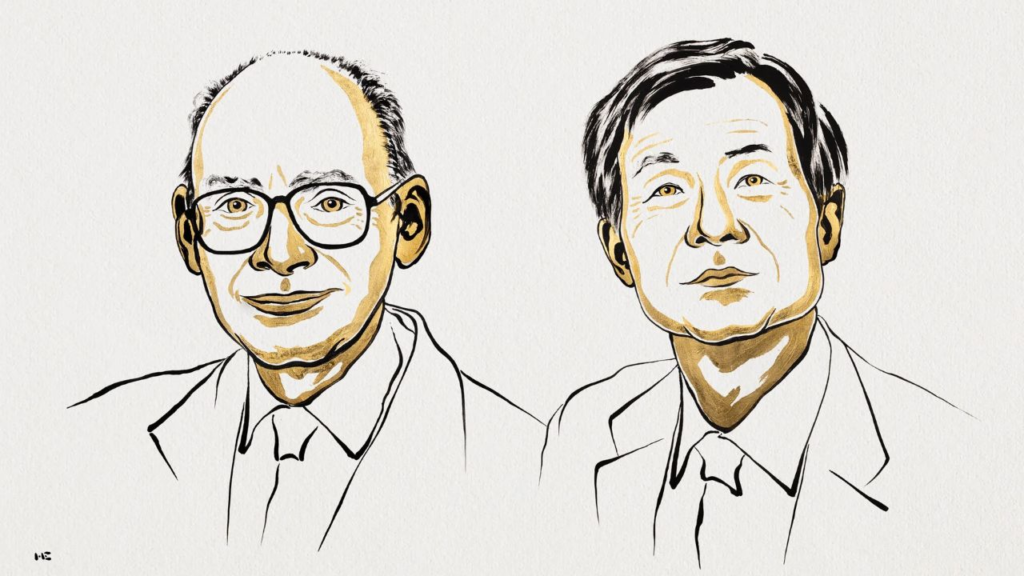
Henri Kagan and Kenso Soai Awarded 2026 Nobel Prize in Chemistry
Scientists Henri Kagan and Kenso Soai have been awarded the 2026 Nobel Prize in Chemistry…

In Memory of Mohammad Akram Sheikh Chairman United Wire Industries
Mohammad Akram Sheikh Chairman United Wire Industries With profound sorrow, we remember Mr. Mohammad Akram…
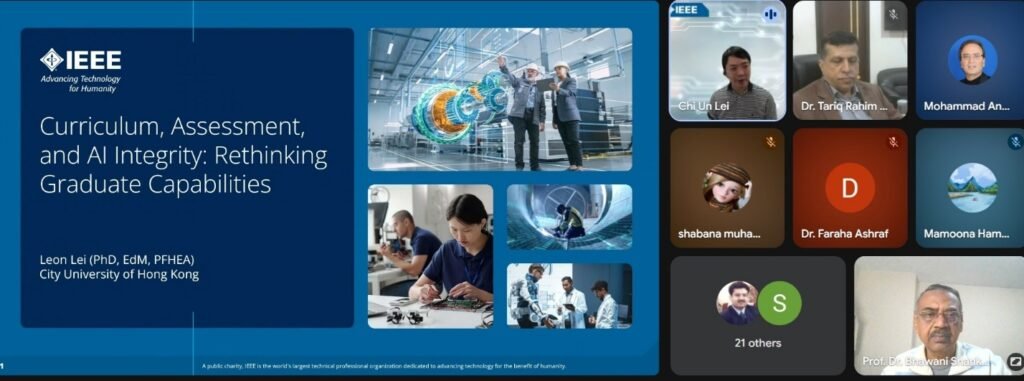
IEEE Education Society Karachi Section Hosts Dr. Chi-Un Lei Webinar
Rethinking Graduate Education in Age of AI Chair IEEE Education Society, Karachi Section, Prof Dr…