
PAKISTAN
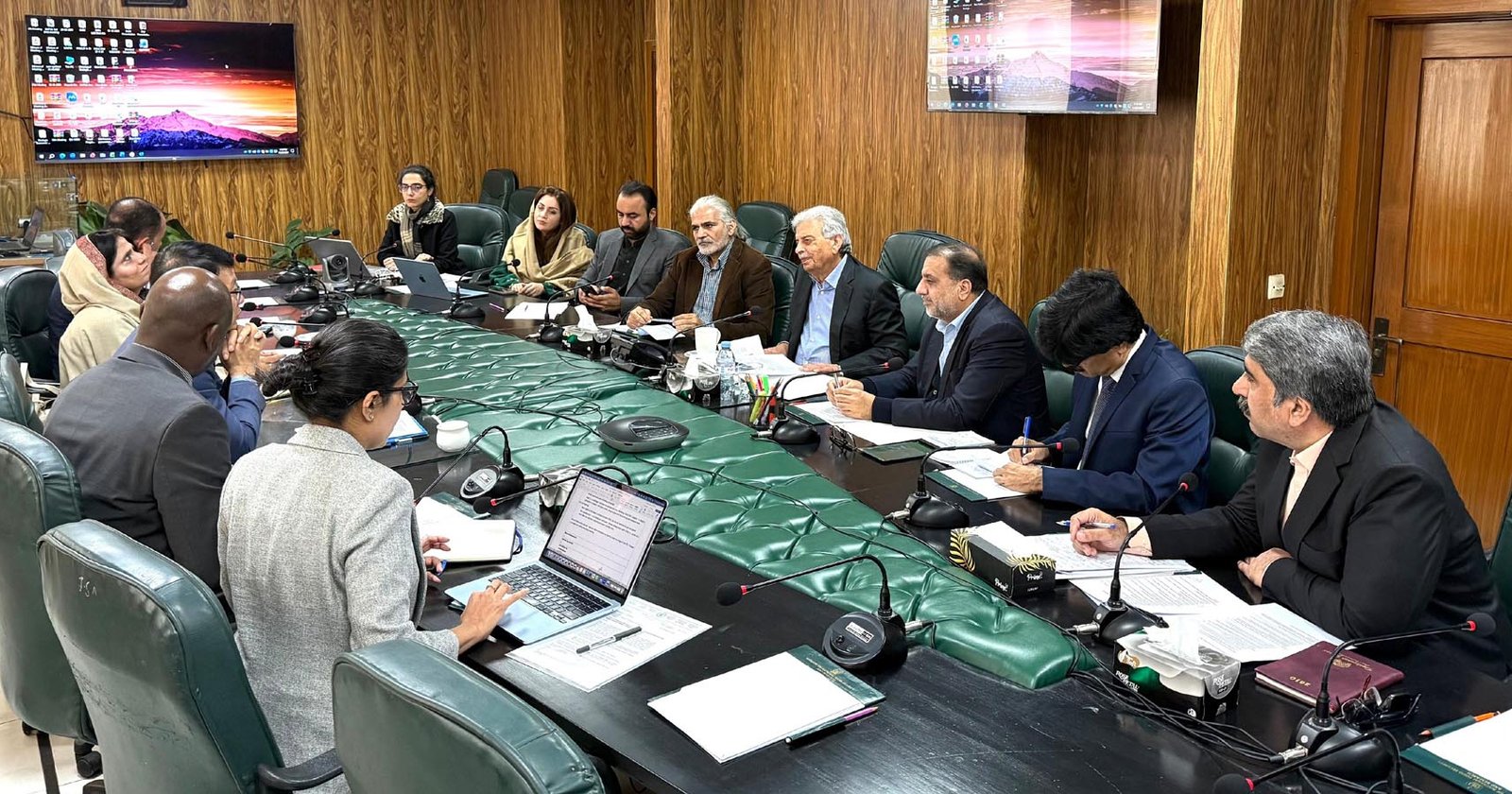
Federal Minister for National Food Security and Research Rana Tanveer Hussain on Monday chaired an important meeting with a delegation from the Food and Agriculture Organization (FAO), led by Lifeng Li, Director of FAO’s Land and Water Division, to discuss pressing challenges confronting Pakistan’s agriculture sector. The discussions centred on water scarcity, declining water quality, seed-related issues and the growing pressure on fertile land.
The minister highlighted the urgency of tackling water shortages, noting that reduced water availability is directly undermining Pakistan’s agricultural productivity. He also voiced concern over the rapid expansion of construction projects on fertile farmland, warning that unchecked land degradation poses a serious threat to long-term food security.
A key priority raised by the minister was the need to boost rice yields, given the crop’s importance to national food supply and exports. He urged FAO to support flagship initiatives aimed at revitalizing the agriculture sector, especially in the face of climate-induced challenges. He called for joint efforts to enhance seed resilience and improve water quality, stressing that innovative, climate-resilient solutions are vital for strengthening the capacity of farmers.
Minister Hussain further underscored the importance of modern water resource management. He encouraged the adoption of sustainable and efficient irrigation practices, including precision irrigation technologies, to optimize water use and mitigate the worsening impacts of climate change.
FAO’s Lifeng Li acknowledged the minister’s concerns and reaffirmed FAO’s commitment to supporting Pakistan in overcoming its agricultural constraints. He pledged continued technical assistance in water management, agricultural research and climate-resilient farming. Li also expressed FAO’s readiness to help Pakistan deploy advanced tools such as remote sensing, GIS and climate modelling to improve land and water governance.
He emphasized the need to strengthen Pakistan’s institutional capacity to independently design and manage climate-resilient projects and to access international climate finance.
The meeting ended with both sides agreeing to pursue further collaboration, particularly in water management, seed development and precision agriculture, with a shared commitment to long-term sustainable and climate-resilient growth. – ER News Desk
MORE NEWS

Zong Launches 5G Home Broadband Service in Pakistan
Zong has launched Z HomeFi, a 5G fixed wireless access (FWA) home broadband service, aiming…

BYD Eyes Ultra-Fast EV Charging Technology for Pakistan
Chinese electric vehicle (EV) manufacturer BYD is in discussions with its Pakistani partner, Mega Motor…

Game-Based Digital Therapies Show Mixed Results in Treating Children with ADHD
Stimulant medications are among the most common treatments for children with attention-deficit/hyperactivity disorder (ADHD), helping…

Henri Kagan and Kenso Soai Awarded 2026 Nobel Prize in Chemistry
Scientists Henri Kagan and Kenso Soai have been awarded the 2026 Nobel Prize in Chemistry…

In Memory of Mohammad Akram Sheikh Chairman United Wire Industries
Mohammad Akram Sheikh Chairman United Wire Industries With profound sorrow, we remember Mr. Mohammad Akram…
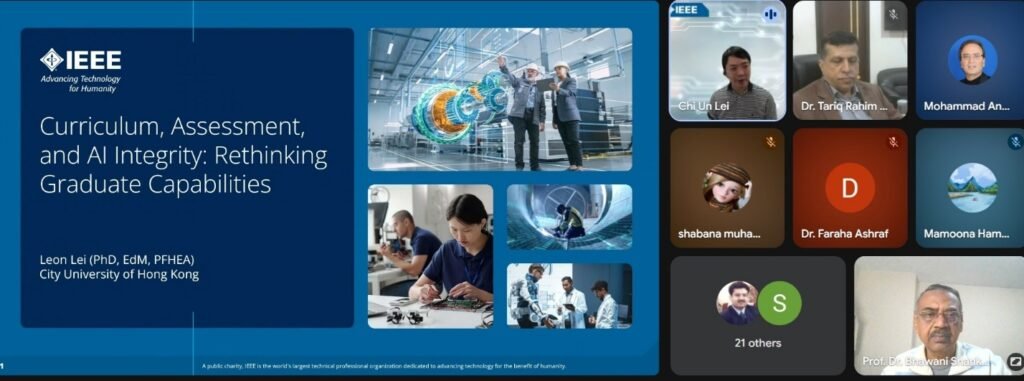
IEEE Education Society Karachi Section Hosts Dr. Chi-Un Lei Webinar
Rethinking Graduate Education in Age of AI Chair IEEE Education Society, Karachi Section, Prof Dr…