
PAKISTAN
Marked as one of the critical initiatives in the aftermath of the Gul Plaza fire incident in Karachi, the Association of Consulting Engineers Pakistan (ACEP) organized a comprehensive conference on Friday (13 February) to identify gaps in emergency preparedness and building safety regulations.
The conference exposed grey areas in fire prevention mechanisms and discussed weaknesses in enforcement of laws, lack of required infrastructure in buildings, and the urgent need to make structures safe for human habitation.
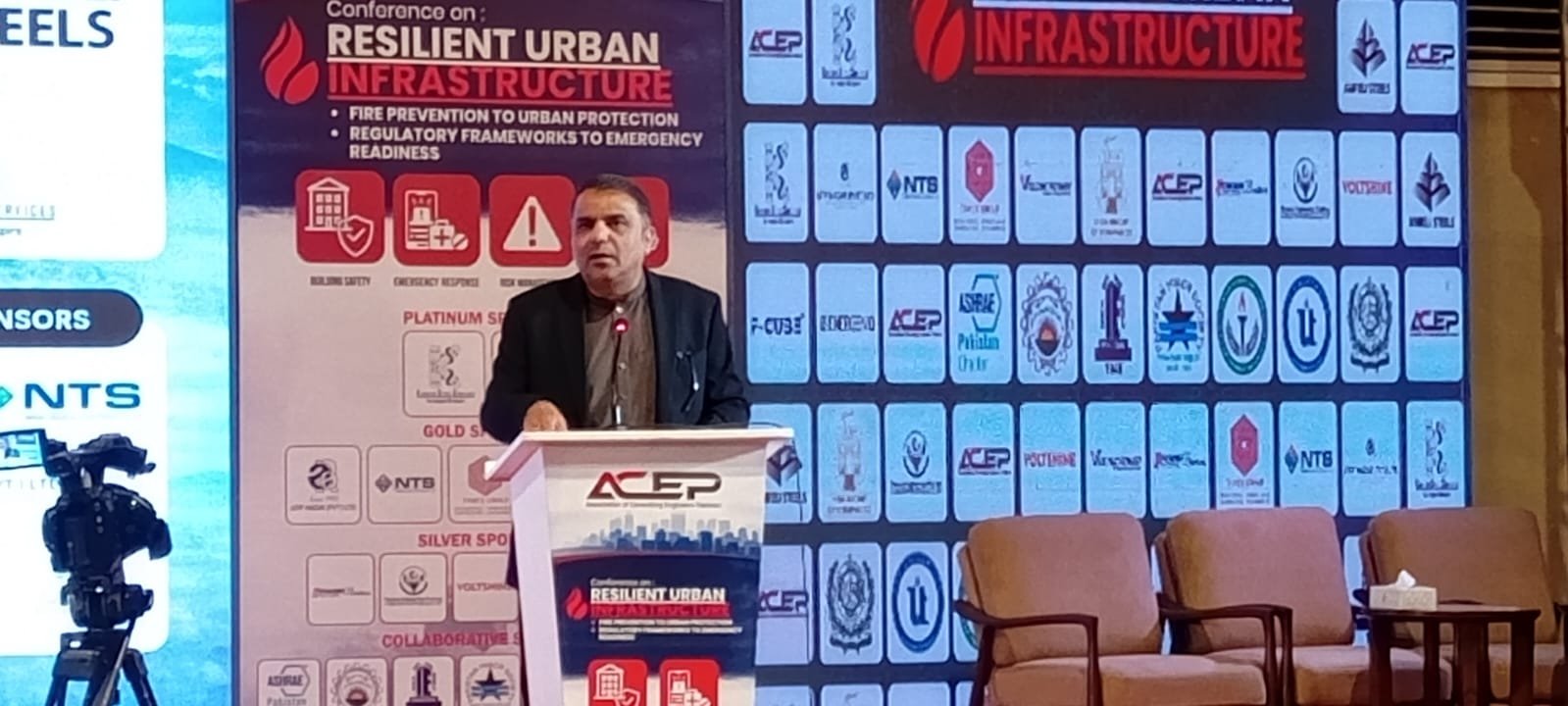
Engr. Waseem Asghar, President ACEP
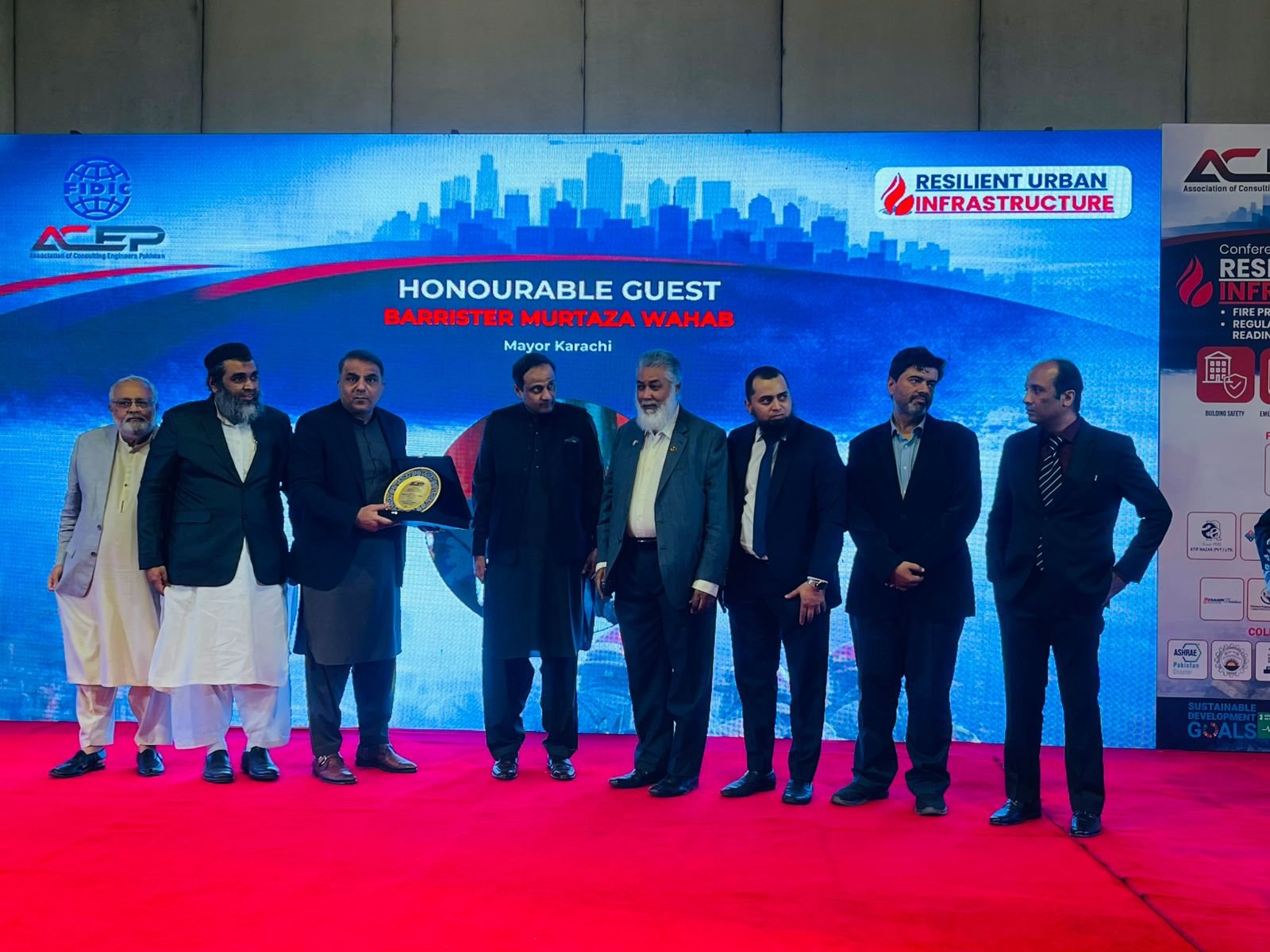
The event was attended by Sindh Minister for Information Sharjeel Inam Memon, a civil engineer by education from Mehran University of Engineering & Technology, Jamshoro, and Barr. Murtaza Wahab, Mayor of Karachi, who faced significant challenges in the wake of the Gul Plaza fire incident.
The moot was organized in collaboration with the Institution of Engineers Pakistan (IEP), FIDIC, and several other professional bodies. A large number of engineers from the public and private sectors, corporate professionals, academicians, and constructors participated to contribute recommendations aimed at improving Karachi’s building safety standards and engaging stakeholders as well as the general public in reform efforts. Pakistan’s first woman architect, Yasmeen Lari, also attended as a special guest.
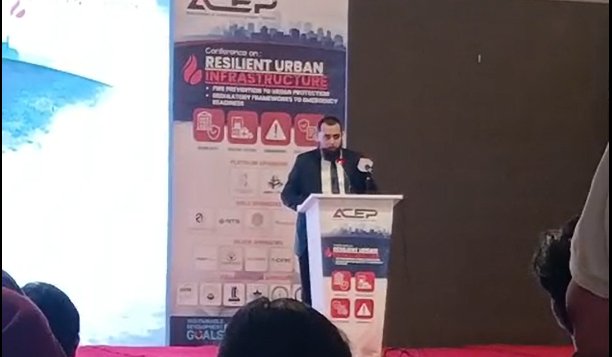
Engr. Wasif Nazar, Secretary ACEP
The organizers arranged three comprehensive panel discussions along with expert presentations involving professionals from industry, engineering institutions, and academia. The discussions culminated in a set of recommendations, the outlines of which were presented by Dr. Sarosh Hashmat Lodi, former Vice Chancellor of NED University, Karachi.
Dr. Lodi emphasized that empowering local governments is essential for effective implementation of safety measures. He called for mandatory third-party validation of building safety compliance and stressed replacing the prevailing “NOC culture” with a “culture of responsibility.”
He highlighted the importance of urban planning and establishing a well-networked firefighting system across Karachi. Among the key recommendations were dedicated fire-extinguishing vehicles for specific zones, emergency water reservoirs, strengthening fire stations and civil defence mechanisms, addressing risks in dense markets and the informal economy, eliminating illegal wiring, and making fire safety systems, drills, and training mandatory.
He also stressed regular audits of high-rise buildings to ensure residential safety, improved safety mechanisms in industrial and logistics zones, and the development of localized fire safety plans. He expressed confidence that if implementation begins immediately, significant improvements could be achieved within the next five years.
Speaking on the occasion, Waseem Asghar, President, ACEP said the recommendations would be forwarded to competent forums. He stressed that laws must be reviewed in light of technological advancements and market demands, noting that many existing regulations have become obsolete. He described the Gul Plaza tragedy as yet another lesson compelling the city to move forward with serious reforms, particularly in older buildings and aging infrastructure.
Addressing the gathering, Sharjeel Inam Memon termed the issue extremely important and said society has developed a tendency to avoid discussing core issues. “This is not a political issue; it is a matter of life and death for citizens,” he remarked.
He acknowledged that in incidents like the Gul Plaza fire, the government bears primary responsibility, though accountability often shifts among stakeholders. “The government carries the greatest responsibility,” he said.
Memon highlighted shortcomings in the entire construction process from soil testing and structural design to plumbing and electrification and stressed that all stakeholders share responsibility. He admitted that there were gaps in enforcement and regulatory compliance and said the government had identified shortcomings following the Gul Plaza incident.
He further stated that corrective measures must be undertaken collectively, although primary responsibility rests with the government. After the tragedy, the government engaged chambers of commerce and industry organizations, assigning them the task of conducting safety audits within their respective sectors to ensure compliance with safety requirements.
The conference concluded with a renewed commitment from stakeholders to strengthen enforcement, modernize regulations, and improve emergency preparedness to prevent similar tragedies in the future. – ER Report





READ MORE

Zong Launches 5G Home Broadband Service in Pakistan
Zong has launched Z HomeFi, a 5G fixed wireless access (FWA) home broadband service, aiming…

BYD Eyes Ultra-Fast EV Charging Technology for Pakistan
Chinese electric vehicle (EV) manufacturer BYD is in discussions with its Pakistani partner, Mega Motor…

Game-Based Digital Therapies Show Mixed Results in Treating Children with ADHD
Stimulant medications are among the most common treatments for children with attention-deficit/hyperactivity disorder (ADHD), helping…
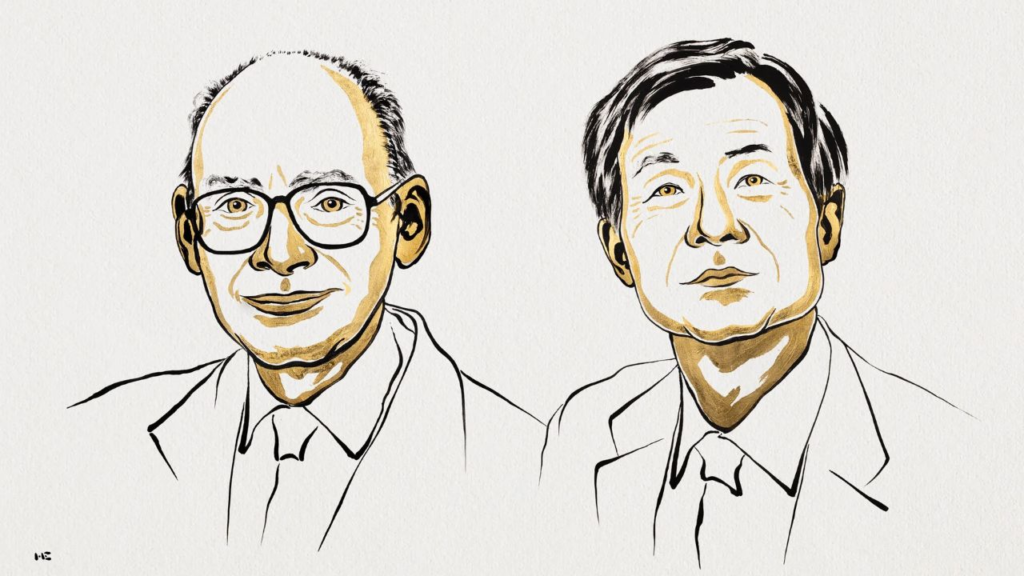
Henri Kagan and Kenso Soai Awarded 2026 Nobel Prize in Chemistry
Scientists Henri Kagan and Kenso Soai have been awarded the 2026 Nobel Prize in Chemistry…
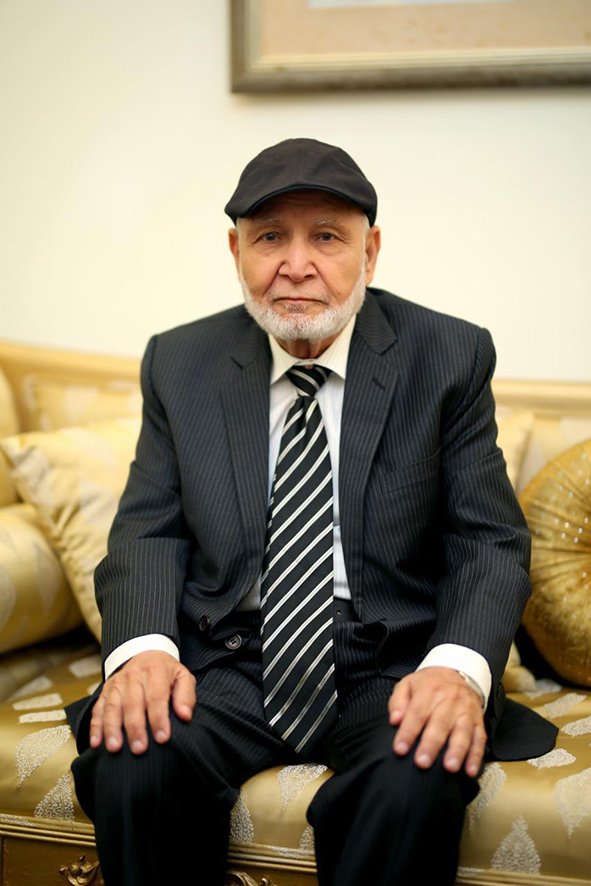
In Memory of Mohammad Akram Sheikh Chairman United Wire Industries
Mohammad Akram Sheikh Chairman United Wire Industries With profound sorrow, we remember Mr. Mohammad Akram…
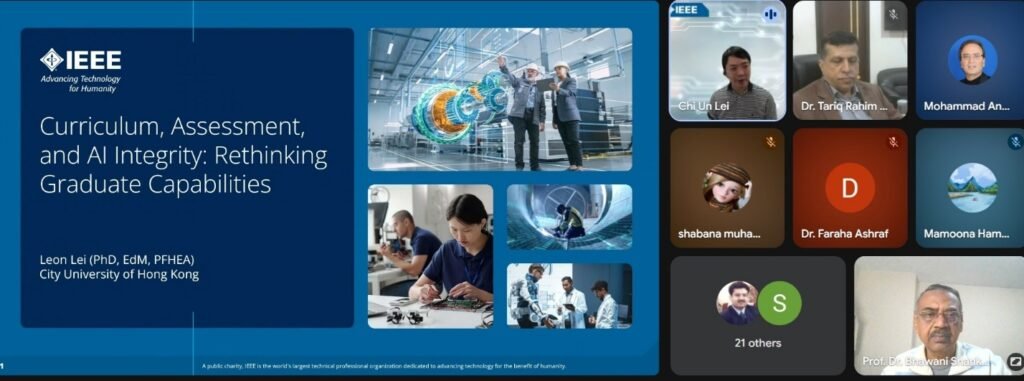
IEEE Education Society Karachi Section Hosts Dr. Chi-Un Lei Webinar
Rethinking Graduate Education in Age of AI Chair IEEE Education Society, Karachi Section, Prof Dr…