
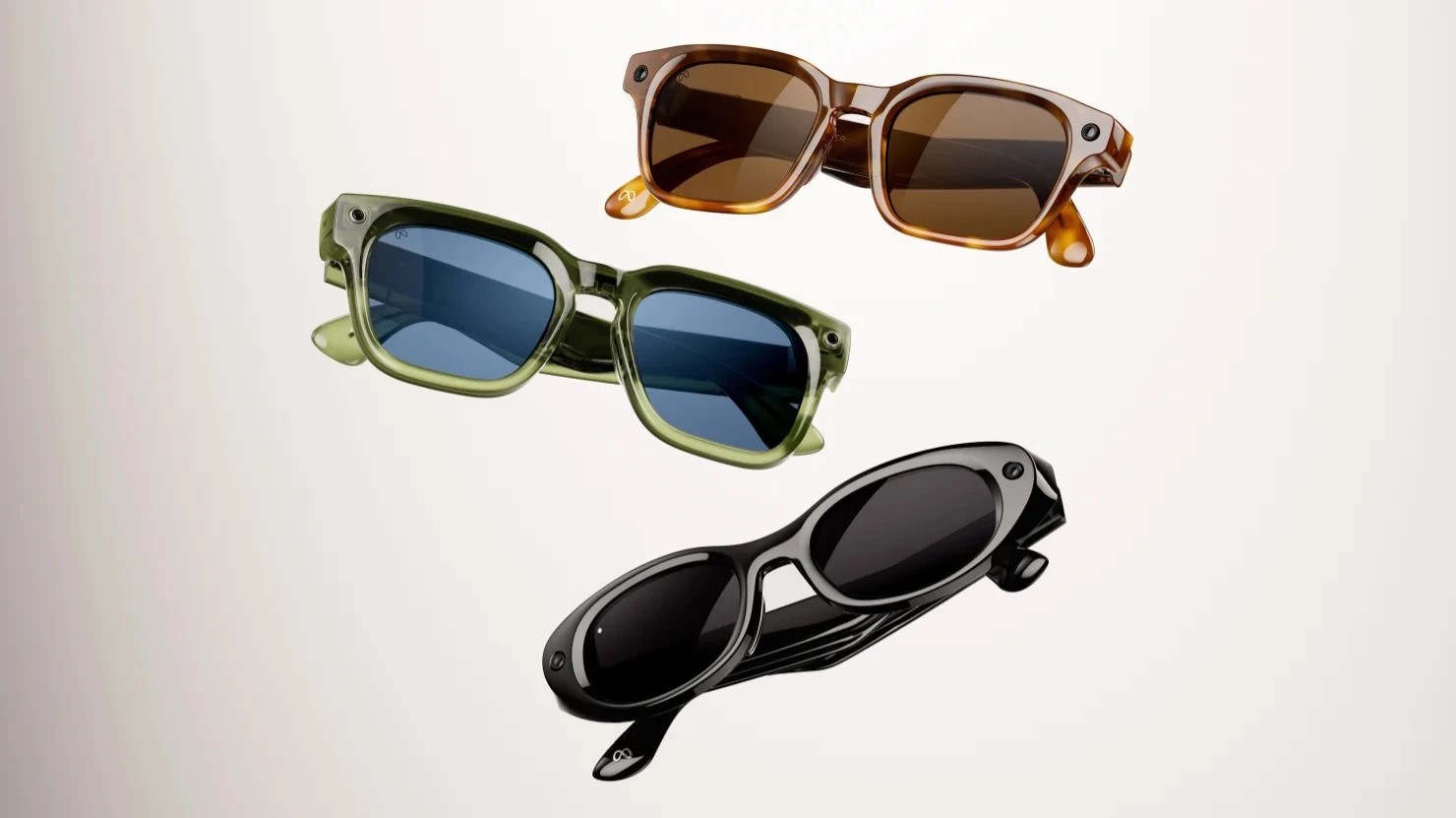
Meta has introduced a new line of AI-powered smart glasses priced at $299, as the technology giant seeks to expand its presence in the rapidly growing wearable technology market and respond to increasing competition from rivals.
The new glasses, developed in partnership with eyewear manufacturer EssilorLuxottica, are positioned below Meta’s existing Ray-Ban-branded smart glasses, which start at $379.
Unlike previous models, the latest release will not carry either the Ray-Ban or Oakley brand names.
The smart glasses feature integrated artificial intelligence capabilities, enabling users to take photos and videos, listen to music, make phone calls, access live translation services, and interact with Meta’s AI assistant.
The company said the new model will support live translation in 14 additional languages.
Meta currently offers several smart eyewear products, including Oakley-branded glasses starting at $399 and premium Ray-Ban Display glasses priced at around $800.
According to Alex Himel, Meta’s Vice President of Wearables, the company identified a need for a more affordable product to broaden access to its smart glasses technology and attract a wider consumer base.
The launch comes as competition intensifies in the AI-powered wearables sector. While Meta remains a leading player in the smart glasses market, competitors are accelerating efforts to introduce advanced products.
Earlier this month, Snap, the parent company of Snapchat, unveiled its next-generation augmented reality glasses, called Specs. Unlike Meta’s current offerings, Snap’s glasses are designed to function independently without requiring a smartphone connection and can project digital content directly onto the user’s surroundings.
Snap plans to release Specs later this year with a starting price of $2,195, significantly higher than Meta’s smart glasses lineup.
Meanwhile, reports suggest that Apple is also preparing to enter the smart glasses market, with a potential launch expected in 2027.
The company previously introduced its Vision Pro mixed-reality headset, though the device has seen limited commercial success.
Industry analysts view Meta’s latest launch as part of a broader strategy to make AI-powered wearables more accessible while strengthening its position ahead of increasing competition from major technology companies seeking a foothold in the emerging smart eyewear market.-ERMD/TS
READ MORE

Pakistan, World Bank Group Agree to Accelerate Reforms and Investment-Led Growth
Federal Minister for Economic Affairs Ahad Khan Cheema met World Bank Group (WBG) President Ajay…

ECNEC Approves 11 Development Projects in Energy, Infrastructure, Healthcare, Technology
The Executive Committee of the National Economic Council (ECNEC), chaired by Deputy Prime Minister and…

Pakistan, EU Explore Cooperation in Electric Vehicle Skills Development
Advisor to the Prime Minister for Industries and Production Haroon Akhtar Khan has directed the…

NUST Honours 66 PhD Scholars and 54 Medal-Winning Undergraduates at Convocation
Federal Minister for Planning, Development and Special Initiatives Ahsan Iqbal has urged graduates of the…

IBA, AKU and Habib University Join Hands to Rethink Education in the AI Era
The Institute of Business Administration (IBA) Karachi, in collaboration with Aga Khan University (AKU) and…
ABB Reports Strong Growth as AI Data Centre Spending Surges
Swiss engineering company ABB has reported strong growth in earnings, driven by a continued surge…