
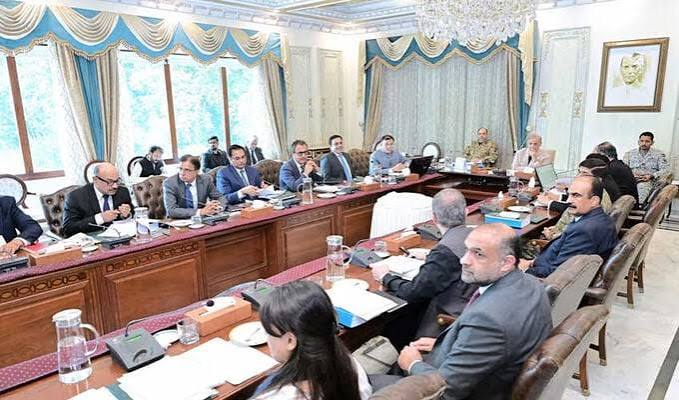
The Cabinet Committee on Energy (CCoE) has approved the High-Level Design of Pakistan’s National Integrated Energy Plan (IEP) 2027–2060, marking a major step towards developing a coordinated, long-term strategy for the country’s energy sector.
The Ministry of Energy (Power Division) presented the design to the CCoE on Tuesday. The proposed plan aims to move away from separate planning for individual energy subsectors and instead establish an integrated framework covering Pakistan’s energy needs, resources, infrastructure and investments.
The IEP will also promote greater coordination between federal and provincial institutions, helping reduce fragmented decision-making and improve the use of available energy resources.
The plan is built around four key pillars: Energy, Economics, Equity and Environment. The Energy pillar focuses on developing a secure, reliable and resilient energy system, while Economics aims to create a competitive and financially sustainable sector. Equity focuses on ensuring affordable and accessible energy and a fair energy transition, while Environment seeks a low-carbon and climate-resilient energy future.
According to the Ministry of Energy, integrated planning could help prevent duplication of infrastructure and investments, improve system efficiency and reduce the overall cost of energy. The plan also aims to increase the use of indigenous energy resources and support the integration of renewable energy and emerging technologies such as energy storage.
For consumers, the ultimate objective is to provide reliable, affordable and accessible energy while reducing dependence on expensive imported energy where technically and economically feasible.
The IEP will also seek to balance energy security and economic sustainability with environmental protection and climate resilience. The approval of the High-Level Design represents the first major step towards preparing the full National Integrated Energy Plan, which will serve as a long-term roadmap for Pakistan’s energy development from 2027 to 2060.-ERMD
READ MORE

Kaspersky Raises Alarm Over Cyber Threats to Young Pakistani Users
Cybersecurity company Kaspersky has warned that children in Pakistan may face a range of online…

Pakistani Robotics Firm Hosts Hackathon at UC Berkeley
Pakistani robotics data company World Context has held its first robotics hackathon at the University…
Pakistan Nears Selection of First Astronaut for China’s Tiangong Mission
Pakistan is preparing to select its first astronaut for a mission to China’s Tiangong space…

SoftBank Raises $11.1bn Through Bond Sale to Fund OpenAI Investment
Japanese technology investor SoftBank Group has raised $11.1 billion through dollar- and euro-denominated bond offerings,…

Fauji Cement Approves 50 MWh Battery Energy Storage and 10 MW Solar Project
The Board of Directors of Fauji Cement Company Limited (FCCL) has approved the installation of…
First-Year QUEST Nawab Shah Student Found Dead; Students Allege Brutal Torture
The body of a first-year student of the Quaid-e-Awam University of Engineering, Science and Technology…