
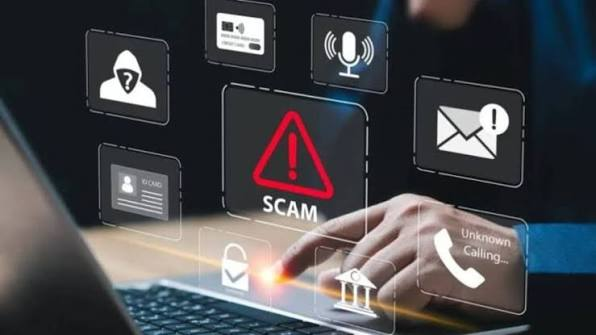
Singapore has introduced new measures requiring messaging platforms to restrict interactions with unknown contacts and social media companies to strengthen advertiser verification, as the city-state steps up efforts to combat online scams.
The rules, which took effect on Aug 18 under the Online Criminal Harms Act, apply to online services considered to pose the highest scam risks in Singapore, according to the police.
Authorities said investment scams remain a major concern on messaging platforms, with fraudsters often approaching victims through previously unknown accounts and offering supposedly lucrative investment opportunities.
Seven services — WhatsApp, Telegram, WeChat, Apple iMessage, Apple FaceTime, Google Messages and Google Meet — must now obtain users’ consent before unknown contacts can add them to groups or channels. The platforms must also alert users to suspicious accounts and provide tools to silence, filter or block unwanted communications.
Separate requirements covering Facebook, Instagram and TikTok will require platforms to block suspected scam advertisements and verify advertisers against government records. Financial services promoted to Singapore users must also be offered by licensed providers.
Singapore police said Facebook, Instagram and TikTok accounted for about 30% of all scam cases in 2025, with Facebook alone responsible for around 18%.
E-commerce platforms including Carousell, Facebook Marketplace and Facebook Business will also have to introduce stronger login protections.
Platforms have until Jan 31, 2027, to comply with the new requirements, while measures designed to prevent scammers from impersonating the Singapore government must be implemented by the end of September.
Companies that fail to meet the requirements could face fines of up to S$1 million (US$782,500).
Singapore has intensified its efforts against scams in recent years as losses have mounted. The country recorded more than US$2.8 billion in scam-related losses between 2020 and the first half of 2025, according to Home Affairs Minister Sim Ann. – TS/ERMD
READ MORE

Pakistan, World Bank Group Agree to Accelerate Reforms and Investment-Led Growth
Federal Minister for Economic Affairs Ahad Khan Cheema met World Bank Group (WBG) President Ajay…

ECNEC Approves 11 Development Projects in Energy, Infrastructure, Healthcare, Technology
The Executive Committee of the National Economic Council (ECNEC), chaired by Deputy Prime Minister and…

Pakistan, EU Explore Cooperation in Electric Vehicle Skills Development
Advisor to the Prime Minister for Industries and Production Haroon Akhtar Khan has directed the…

NUST Honours 66 PhD Scholars and 54 Medal-Winning Undergraduates at Convocation
Federal Minister for Planning, Development and Special Initiatives Ahsan Iqbal has urged graduates of the…
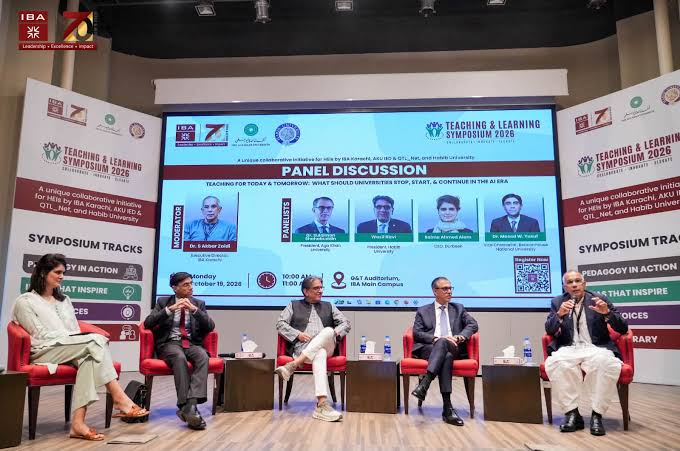
IBA, AKU and Habib University Join Hands to Rethink Education in the AI Era
The Institute of Business Administration (IBA) Karachi, in collaboration with Aga Khan University (AKU) and…

ABB Reports Strong Growth as AI Data Centre Spending Surges
Swiss engineering company ABB has reported strong growth in earnings, driven by a continued surge…