

The growing use of artificial intelligence (AI)-generated voices is raising concerns that increasingly realistic synthetic speech could make some people more vulnerable to voice-based scams.
A study published in Oxford’s Journal of Cybersecurity found that people may be more likely to mistake an AI-generated voice for a human when the synthetic voice uses a regional or non-standard dialect familiar to them. Researchers said people who rarely hear technology reproduce their own dialect may assume that a voice using it is genuine.
The study examined how participants distinguished between human and AI-generated voices. While listeners generally tended to assume voices were human, the effect was stronger when AI voices used underrepresented regional dialects. Professor Neil W. Kirk of Abertay University said people’s expectations about how speech technology normally sounds can influence their judgment.
Researchers also tested ways to improve awareness. General warnings about scams and advice to remain cautious did not significantly change participants’ responses. However, participants became more vigilant after being specifically told that AI systems can reproduce different accents and dialects.
The findings have implications for businesses increasingly using AI receptionists and automated voice agents. Offering a wider range of accents, dialects and speech styles could improve customer interactions while helping people become more familiar with AI-generated voices that reflect diverse ways of speaking.
The researchers noted that some language communities have historically been underrepresented in speech technology. Greater exposure to AI voices using different accents and dialects could therefore reduce the assumption that a familiar-sounding voice must be human.
For businesses, the expansion of AI voice technology presents both opportunities and security challenges. Clearly identifying AI-generated interactions and educating customers about synthetic voices could help reduce the risks of voice-based deception, while more diverse voice options could make AI systems more accessible to different communities. – TS/ERMD
READ MORE
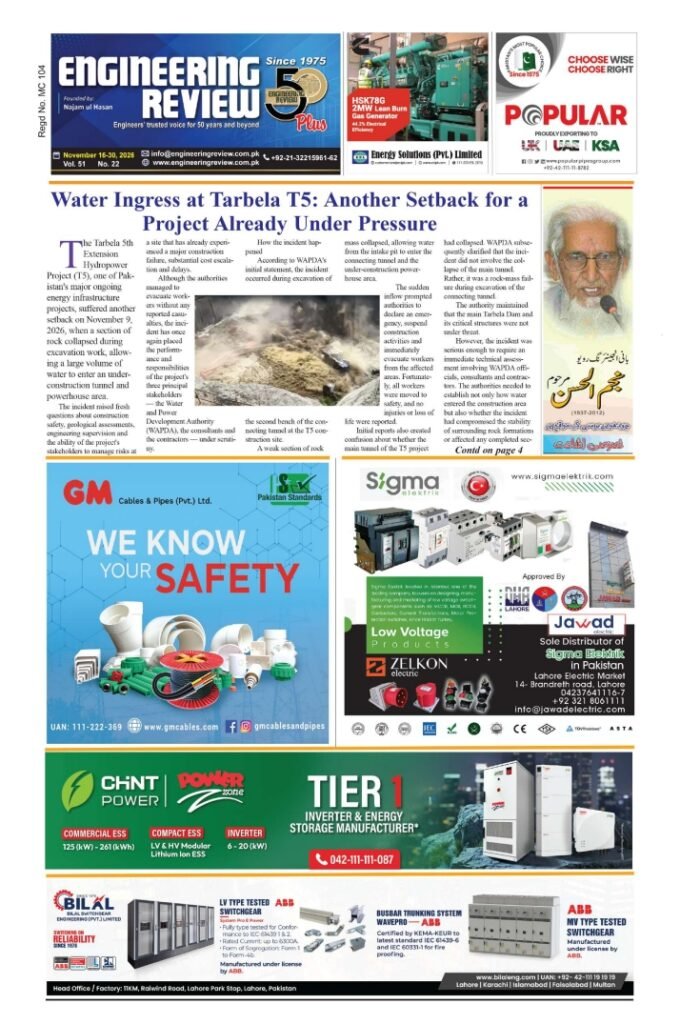
Engineering Review | November 16-30, 2026

Engineering Review | November 1-15, 2026
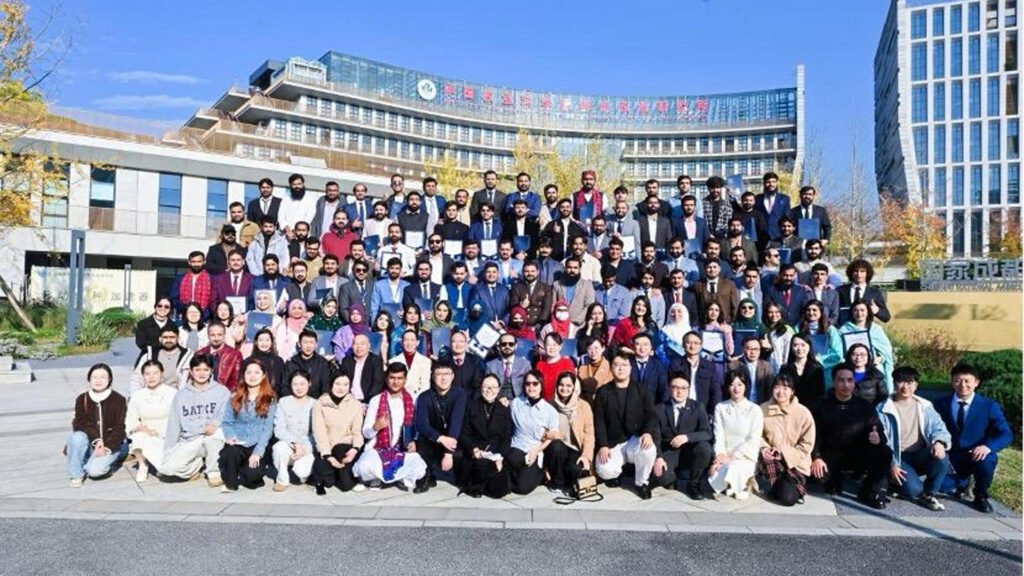
China-Pakistan Agricultural Cooperation Trains 885 Professionals, Supports 15 Startups
Program focuses on AI, seed technology, livestock disease surveillance, genomics and water-efficient farming, with more…

HIMEL Sees Strong Growth Opportunities in Pakistan Amid Rising Energy Demand and Infrastructure Development
HIMEL, a leading provider of reliable and accessible electrical solutions, has reaffirmed its long-term commitment…

HVACR Trends 6.0 Draws 3,283 Visitors to Karachi as ASHRAE President Joins Pakistan’s Cooling Industry
The ASHRAE Pakistan Chapter concluded HVACR Trends 6.0, its sixth conference and exhibition, on 16–17…

From Rock to Reality: Bridging Academia and Industry
The Department of Chemical Engineering at NED University of Engineering & Technology, in collaboration with…