
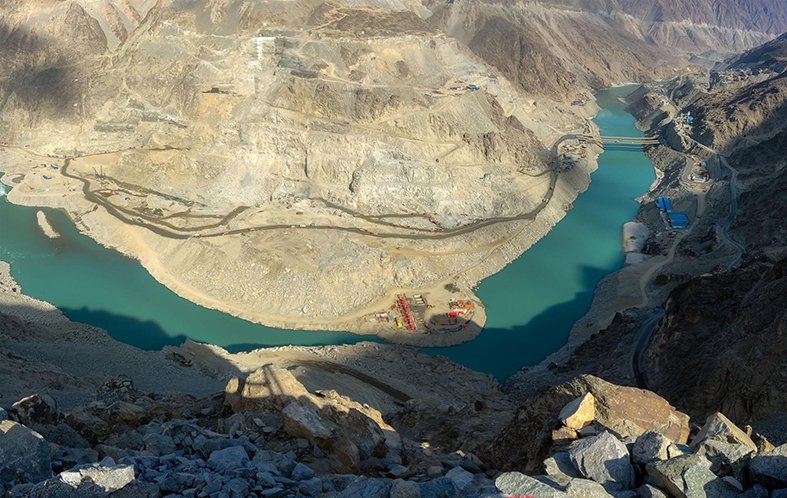
By Manzoor Shaikh
The Rs133.18 billion hydro-mechanical contract marks another milestone in the construction of one of Pakistan’s largest water and hydropower projects, but its long-term benefits will depend on effective water management, sediment control and timely completion.
The construction of the Diamer-Bhasha Dam has reached another important milestone with the signing of a Rs133.18 billion contract for its hydro-mechanical equipment and hydraulic steel structures. The agreement, signed by WAPDA with the Power China–IKAN Joint Venture, covers an essential component of the project that will eventually enable the dam to regulate water flows and operate its power generation system.
The agreement was signed at a ceremony held at WAPDA House. Chief Engineer/Project Director Diamer-Bhasha Dam Arif Ali signed on behalf of WAPDA, while Ling Jianke represented the joint venture. Chairman WAPDA Lt Gen Muhammad Saeed (Retd), WAPDA’s Member Finance, Member Water and Member Power, the CEO of Diamer Basha Development Company, a delegation headed by the Chairman of Power China International Group Limited and representatives of the consultants also attended the ceremony.
The HM-1 contract covers the manufacturing, supply and installation of gates and hydraulic steel structures required to control water flows at different sections of the dam. These include flushing tunnels on both the left and right banks, power intakes and dam outlets. The contract also includes steel lining, hoisting and pumping systems and associated electrical works.
These installations are essential for the safe and efficient operation of the project. The gates and associated structures will regulate the movement and discharge of water, while the flushing tunnels will play an important role in managing sediment accumulation in the reservoir. The power intakes will supply water to the turbines for electricity generation. In other words, the contract is not merely about installing steel structures; it concerns some of the most important operating systems of the dam.
Located across the River Indus, approximately 40 kilometers downstream of Chilas, Diamer-Bhasha is a priority project of the federal government for strengthening Pakistan’s water, food and energy security. It is designed as a 272-metre-high roller-compacted concrete (RCC) gravity dam, with gross water storage of 8.1 million acre-feet (MAF) and live storage of approximately 6.4 MAF. Its planned installed electricity generation capacity is 4,500 MW, with estimated annual generation of around 18,097 GWh.
The project is significant because Pakistan faces two interconnected challenges: increasing pressure on its water resources and a growing demand for electricity. However, the benefits of a large dam must be examined not only in terms of its storage capacity and generating potential but also in terms of its impact on agriculture, the environment and the country’s energy system.
Implications for agriculture and water security .
Agriculture remains the largest consumer of water in Pakistan, and the country’s irrigation system depends heavily on the Indus River and its tributaries. Seasonal variations in river flows create difficulties for farmers, particularly during periods of reduced rainfall and limited water availability. Diamer-Bhasha is expected to improve the regulation of river flows by storing water during periods of higher availability and releasing it when irrigation requirements increase.
The reservoir’s live storage capacity of approximately 6.4 MAF will provide additional flexibility in managing water supplies. It is expected to support irrigation, improve the reliability of water releases and help reduce pressure on existing reservoirs. WAPDA has also projected that the project will help irrigate an additional 1.23 million acres of land.
Another important advantage is its potential contribution to the management of sediment in the Indus River. The river carries substantial quantities of sediment from its mountainous catchment areas, which gradually accumulate in reservoirs and reduce their storage capacity. By trapping a portion of this sediment upstream, Diamer-Bhasha is expected to help extend the operational life of Tarbela Reservoir, an important component of Pakistan’s irrigation and hydropower infrastructure.
However, the project also has limitations. Building additional storage capacity does not automatically resolve Pakistan’s agricultural water crisis. Inefficient irrigation practices, water losses in canals, poor drainage, inadequate maintenance and the cultivation of water-intensive crops will continue to affect the productivity of the irrigation system. Unless these issues are addressed alongside the construction of new reservoirs, the expected benefits may not translate into proportional improvements in agricultural output.
Sedimentation is another long-term concern. Although the dam is expected to trap a significant portion of the sediment carried by the Indus, its own reservoir will also gradually lose storage capacity. Effective sediment management and regular monitoring will therefore remain essential throughout its operational life.
A major addition to Pakistan’s energy capacity
The energy component is equally important. With an installed capacity of 4,500 MW and estimated annual generation of approximately 18.1 billion units, Diamer-Bhasha will become one of Pakistan’s largest hydropower facilities.
Hydropower offers an important advantage over electricity generated through imported fossil fuels. It does not require continuous purchases of imported coal, oil or gas to generate electricity. Once the infrastructure is operational, its generation costs are generally less exposed to international fuel price fluctuations. It can also help reduce dependence on thermal generation and improve the overall composition of Pakistan’s energy mix.
The project will have two underground powerhouses, each containing six generating units of 375 MW. Water released through the power intakes will drive turbines connected to generators, converting hydraulic energy into electricity before being discharged downstream.
However, hydropower generation is directly linked to water availability. Seasonal variations in river flows, changing climatic conditions and competing irrigation requirements can influence the amount of electricity generated. Although the dam will provide greater flexibility in water management, its installed capacity of 4,500 MW should not be confused with continuous electricity production at that level throughout the year.
There are also/ substantial financial and environmental considerations. Large dams require enormous investments, long construction periods and complex engineering arrangements. Geological conditions, seismic risks, sedimentation and the relocation of affected communities are among the issues that require careful management. The environmental consequences of altering river flows and trapping sediment also need to be considered, particularly for downstream ecosystems and communities.
Looking beyond construction
The signing of the HM-1 contract represents an important step in advancing the construction of Diamer-Bhasha Dam. The installation of hydro-mechanical equipment and hydraulic steel structures will be essential for completing the infrastructure required for water regulation and power generation.
Nevertheless, the real measure of the project’s success will be its ability to deliver the promised benefits after completion. Pakistan needs better coordination between water storage, irrigation management, hydropower generation and environmental protection. Investment in dams must go hand in hand with improvements in canal efficiency, agricultural practices, transmission infrastructure and the management of existing water resources.
Diamer-Bhasha has the potential to become a major asset for Pakistan’s water and energy infrastructure. But its contribution to national development will ultimately depend not only on how effectively the dam is constructed but also on how wisely the stored water and generated electricity are managed.
READ MORE

Engineering Review | November 1-15, 2026
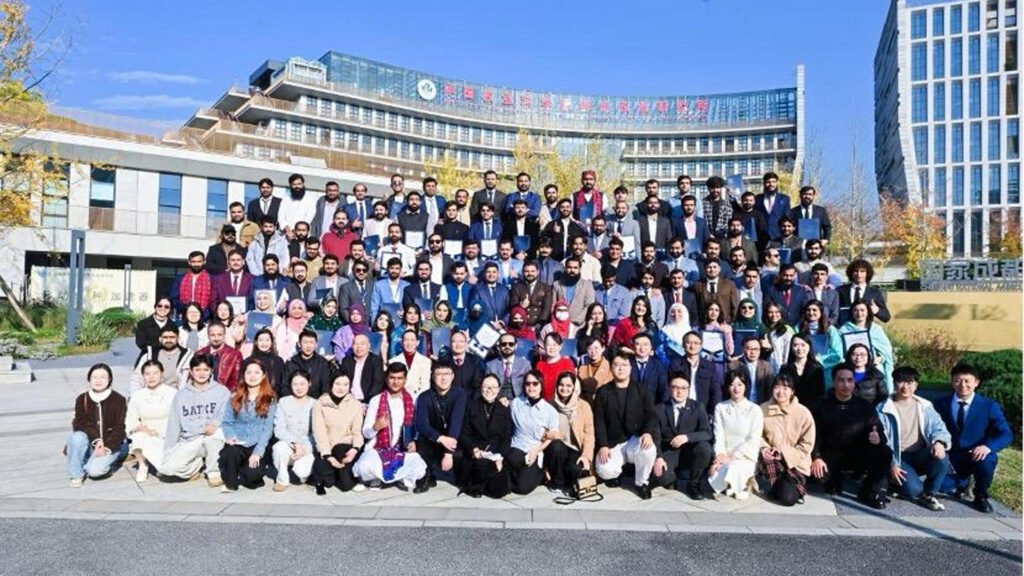
China-Pakistan Agricultural Cooperation Trains 885 Professionals, Supports 15 Startups
Program focuses on AI, seed technology, livestock disease surveillance, genomics and water-efficient farming, with more…

HIMEL Sees Strong Growth Opportunities in Pakistan Amid Rising Energy Demand and Infrastructure Development
HIMEL, a leading provider of reliable and accessible electrical solutions, has reaffirmed its long-term commitment…
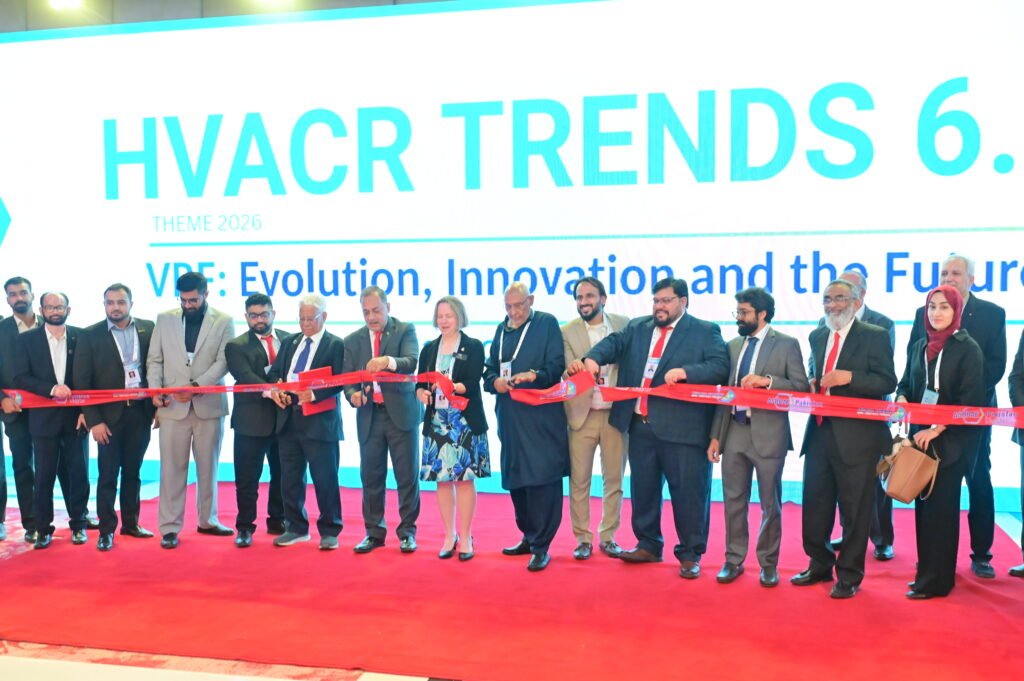
HVACR Trends 6.0 Draws 3,283 Visitors to Karachi as ASHRAE President Joins Pakistan’s Cooling Industry
The ASHRAE Pakistan Chapter concluded HVACR Trends 6.0, its sixth conference and exhibition, on 16–17…
From Rock to Reality: Bridging Academia and Industry
The Department of Chemical Engineering at NED University of Engineering & Technology, in collaboration with…
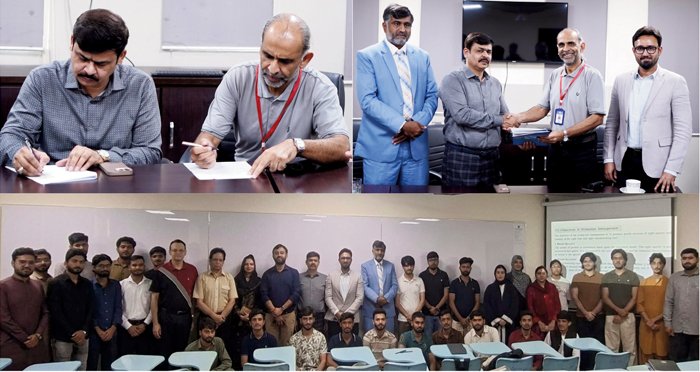
Pakistan HVACR Society, Lahore Chapter Signs MOU with UMT Lahore
A delegation of the Pakistan HVACR Society, Lahore Chapter led by Chairman Jafar Raza Haidery…