
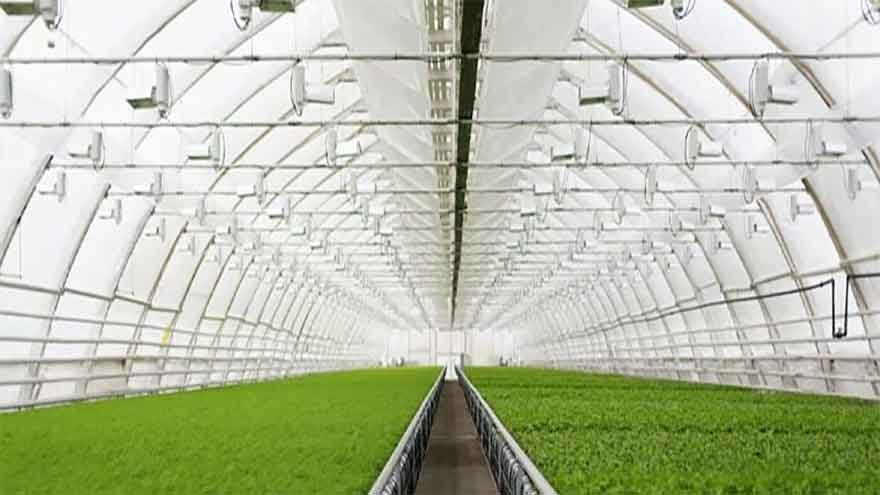
PAKISTAN – Agriculture
To modernize agriculture and address acute water scarcity, the Balochistan government has approved the introduction of hydroponics technology across the province, marking a major shift toward climate-resilient farming.
The decision was finalized during a meeting of the Parliamentary Committee on the Public Sector Development Programme (PSDP), chaired by Chief Minister Mir Sarfraz Bugti at the Chief Minister’s Secretariat. Parliamentary leaders from coalition parties, provincial ministers, and senior officials attended the session.
The committee approved a flagship project to establish hydroponic facilities and promote high-value horticulture, agreeing that hydroponics—an advanced farming system requiring significantly less water while delivering higher yields—is ideally suited to Balochistan’s arid climate. The pilot phase will be launched in ten districts, with plans to expand province-wide upon successful implementation.
Chief Minister Sarfraz Bugti reaffirmed the government’s commitment to modern agricultural practices, stressing that “high yield with less water is the fundamental requirement of modern agriculture.” He described hydroponics as a top priority for achieving food security, job creation, and sustainable economic growth in the province.
What is Hydroponics Technology?
Hydroponics is a method of growing plants without soil. Instead, plant roots are placed in inert media such as rockwool, vermiculite, or clay pellets and fed with nutrient-rich water. The technique allows precise control over water use, nutrients, temperature, and pests, enabling plants to grow faster and produce higher yields than traditional farming.
By using up to 90 percent less water, hydroponics offers a critical advantage for water-stressed regions like Balochistan. It also reduces reliance on pesticides and fertilizers, minimizes waste, and improves overall resource efficiency—making it a cornerstone of modern, sustainable agriculture.
Global Context: WEF and the Future of Food
The Balochistan initiative aligns with global findings highlighted in a report presented by the Ellen MacArthur Foundation at the World Economic Forum (WEF) Annual Meeting in Davos. The report warns that while industrialized farming has increased food availability, it has also intensified environmental stress, resource depletion, and waste.
According to the report, cities will consume nearly 80 percent of global food by 2050, yet currently operate under a “take-make-waste” model that squanders resources. Technologies such as hydroponics and vertical farming are seen as key solutions to this challenge.
Global forecasts suggest the vertical farming industry could be worth billions of dollars, driven largely by hydroponics, especially in regions facing land and water shortages. With nearly one-third of global food production wasted each year and hunger on the rise, the WEF report stresses the urgent need for efficient, low-impact food systems.
By adopting hydroponics, Balochistan is positioning itself in line with global best practices, aiming to conserve water, boost productivity, and build a more sustainable agricultural future in one of Pakistan’s most climate-vulnerable regions. – ER Report
READ MORE

Zong Launches 5G Home Broadband Service in Pakistan
Zong has launched Z HomeFi, a 5G fixed wireless access (FWA) home broadband service, aiming…

BYD Eyes Ultra-Fast EV Charging Technology for Pakistan
Chinese electric vehicle (EV) manufacturer BYD is in discussions with its Pakistani partner, Mega Motor…

Game-Based Digital Therapies Show Mixed Results in Treating Children with ADHD
Stimulant medications are among the most common treatments for children with attention-deficit/hyperactivity disorder (ADHD), helping…
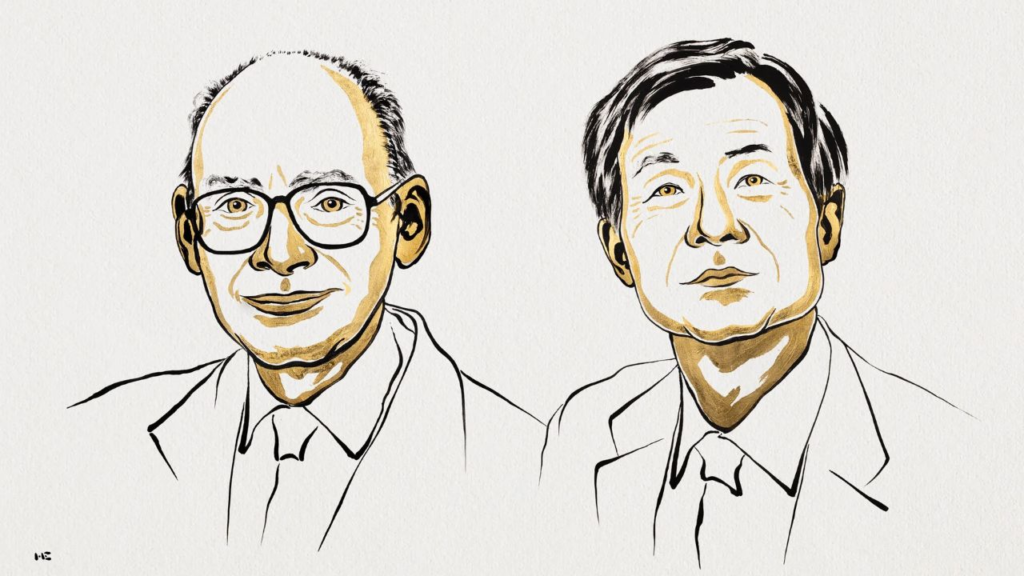
Henri Kagan and Kenso Soai Awarded 2026 Nobel Prize in Chemistry
Scientists Henri Kagan and Kenso Soai have been awarded the 2026 Nobel Prize in Chemistry…

In Memory of Mohammad Akram Sheikh Chairman United Wire Industries
Mohammad Akram Sheikh Chairman United Wire Industries With profound sorrow, we remember Mr. Mohammad Akram…
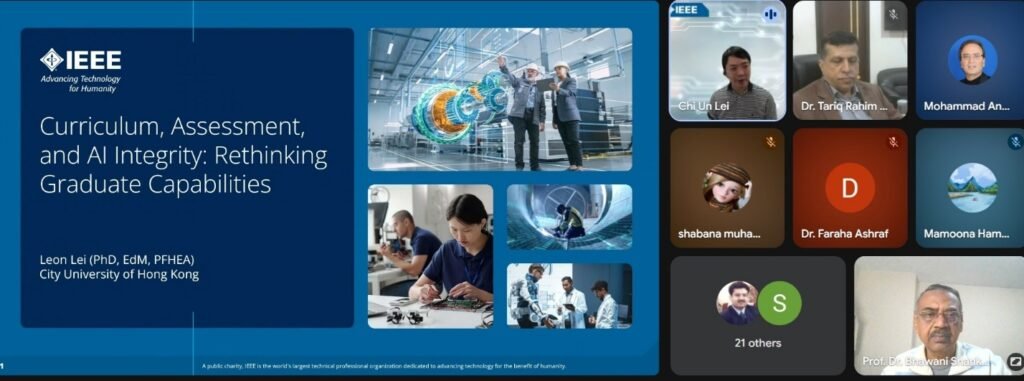
IEEE Education Society Karachi Section Hosts Dr. Chi-Un Lei Webinar
Rethinking Graduate Education in Age of AI Chair IEEE Education Society, Karachi Section, Prof Dr…