
INDUSTRY
Atif Ikram Sheikh, President of the Federation of Pakistan Chambers of Commerce and Industry (FPCCI), has welcomed the federal government’s recent decision to slash high-speed diesel (HSD) prices by a massive Rs 134.81 per litre – as the apex body had strongly rejected the earlier disastrous increase on April 2 – and, profoundly advocated for the price rationalization of diesel and a protective mechanism for trade & industry.
Atif Ikram Sheikh apprised that the apex trade body termed this steep reduction – bringing the HSD rate down from a crippling Rs 520.35 to Rs 385.54 per litre – a much-needed breather for trade, industry, and the general public alike.
FPCCI Chief also commended the Rs 11.83-per-litre reduction in petrol prices (now at Rs 366.58), which will provide supplementary relief across the supply chain; however, he maintained that FPCCI advocates a further temporary reduction or suspension of the Petroleum Development Levy (PDL) on petrol prices until the regional oil markets stabilize.
Atif Ikram Sheikh appreciated the government’s move, highlighting its positive ripple effect on the macroeconomy and the survival of Pakistan’s export-oriented sectors. When HSD crossed the Rs 520 mark, it threatened to stall our textile and manufacturing engines. Diesel is the backbone of our economy; directly fueling our transport, agriculture, and manufacturing sectors, he added.
Atif Ikram Sheikh explained that the relief will significantly reduce the exorbitant cost of doing business – potentially lowering production overheads by 5–10% for key industries and making our exports more competitive in international markets. We urge the government to maintain this momentum and cascade further global oil price benefits to the domestic industry as soon as possible.
Saquib Fayyaz Magoon, SVP FPCCI, is pointing out the immediate financial relief it provides to Small and Medium Enterprises (SMEs) and the national logistics infrastructure as a whole.
Saquib Fayyaz Magoon pointed out that logistics and freight charges have been crippling the supply chain across the country, with transport fares having recently spiked by as much as 60% during the fuel crisis. Bringing diesel down to Rs 385.54 per litre shall force a necessary correction in the transportation costs of raw materials and finished goods, he added.
Abdul Mohamin Khan, VP & Regional Chairman Sindh, emphasized the specific benefits for the province’s economic landscape – particularly for the agriculture and heavy local manufacturing sectors.
Abdul Mohaim Khan elaborated that Sindh is a major hub of Pakistan for both industrial output and agricultural yields. The previous fuel shock made crop sowing increasingly unviable and threatened massive losses ahead of the harvest season. This Rs 134.81 per litre reduction shall lower the operational costs for our farmers utilizing diesel-powered tractors and irrigation pumps, as well as for industries relying on heavy logistics originating from the ports of Karachi. – PR
READ MORE

40 Major Media Groups Join Coalition to Protect Journalism from AI Copyright Violations
Forty major media organisations, including The New York Times, The Economist and Agence France-Presse (AFP),…

Zong Launches 5G Home Broadband Service in Pakistan
Zong has launched Z HomeFi, a 5G fixed wireless access (FWA) home broadband service, aiming…

BYD Eyes Ultra-Fast EV Charging Technology for Pakistan
Chinese electric vehicle (EV) manufacturer BYD is in discussions with its Pakistani partner, Mega Motor…

Game-Based Digital Therapies Show Mixed Results in Treating Children with ADHD
Stimulant medications are among the most common treatments for children with attention-deficit/hyperactivity disorder (ADHD), helping…

Henri Kagan and Kenso Soai Awarded 2026 Nobel Prize in Chemistry
Scientists Henri Kagan and Kenso Soai have been awarded the 2026 Nobel Prize in Chemistry…
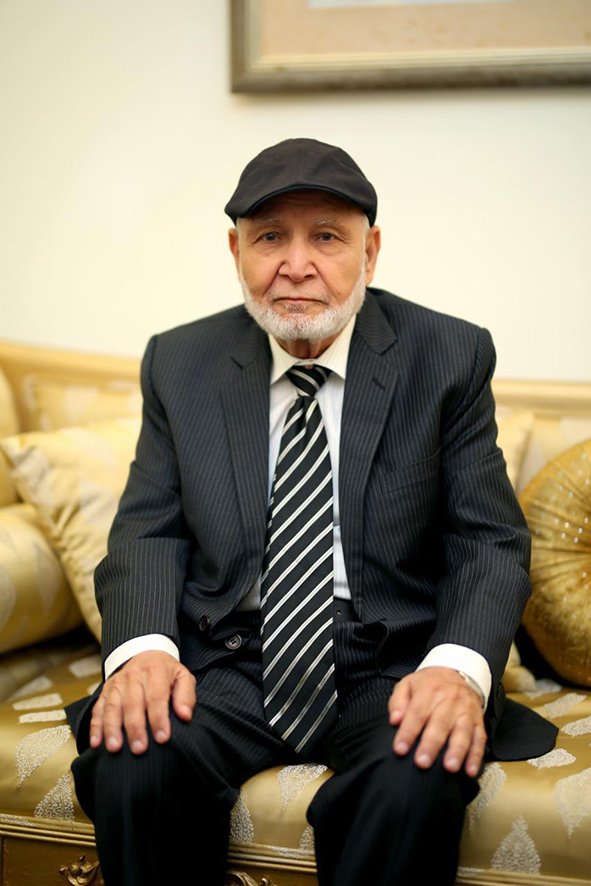
In Memory of Mohammad Akram Sheikh Chairman United Wire Industries
Mohammad Akram Sheikh Chairman United Wire Industries With profound sorrow, we remember Mr. Mohammad Akram…