
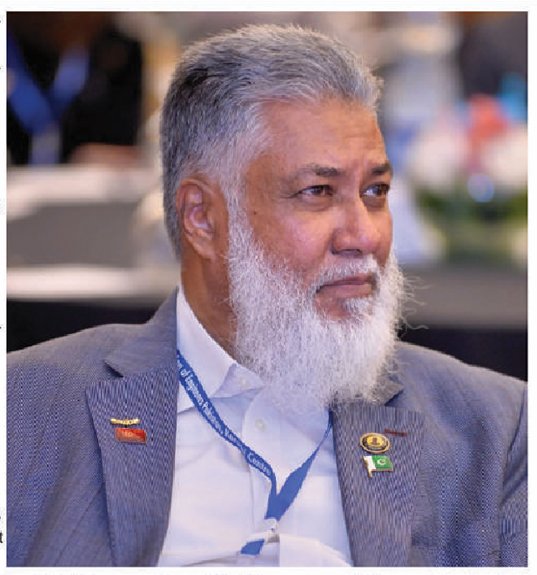
By Manzoor Shaikh
Engr. Sohail Bashir reflects on his education at NED University, his first assignment at the Dera Ghazi Khan Cement Plant, decades at K-Electric, international exposure, and the evolution of engineering, safety, and business in Pakistan.
THE INTERVIEW
ENGINEERING REVIEW: After completing your engineering education, did you immediately start working in engineering?
SOHAIL BASHIR: I enrolled at NED University of Engineering & Technology in 1978 and graduated in 1983. During university, I served as Secretary of the Students’ Union, which gave me the opportunity to work closely with professors, consultants, and contractors during the university’s expansion projects. Those experiences introduced me to large-scale civil engineering long before graduation. I also developed a connection with Engineering Review, contributing news and interacting with senior engineers.
ER: What was your first professional assignment?
On the day of my final viva, one of my professors, who was also Chief Engineer at Hyderi Construction Company, sent me to the Dera Ghazi Khan Cement Plant, then one of Pakistan’s largest industrial projects.
That project became my real engineering classroom. Young graduate engineers worked alongside highly experienced professionals, learning practical construction, foundations, silos, preheater towers, batching plants, conveyor systems, and overall project execution. It was an invaluable beginning.
ER: What came next?
SOHAIL BASHIR: I later joined a community development initiative associated with the Orangi Pilot Project, where we worked on sanitation, sewerage, roads, and master planning in low-income communities. Working with residents, government representatives, and international experts taught me that engineering is as much about people and communication as it is about technical design.
ER: You spent many years at K-Electric. Tell us about that experience.
SOHAIL BASHIR: I joined Karachi Electric Supply Corporation (now K-Electric) in 1984 and remained there for 25 years. I worked on grid stations, transmission systems, and the Bin Qasim Thermal Power Plant before becoming Project Engineer and later heading procurement.
During this period, I also completed a master’s degree in hydraulic engineering through a fellowship from the Government of the Netherlands, which broadened my technical perspective.
ER: What was your most challenging project?
SOHAIL BASHIR: One major challenge was securing a reliable raw water supply for the Bin Qasim Thermal Power Plant. Without water, steam generation and electricity production would stop. We successfully developed an alternative supply arrangement with Pakistan Steel Mills, creating a system that remains vital to the plant’s operations.
I also worked with leading international consultants from Germany, Japan, and the United States, gaining valuable exposure to global standards in project management and infrastructure development.
ER: Why did you later move into the private sector?
SOHAIL BASHIR: After serving as the first General Manager Engineering of the Pakistan Real Estate Investment and Management Company, I took early retirement from K-Electric at the age of 50 and joined Saida Pakistan.
Since 2010, I have been working in the oil and gas exploration sector, developing airstrips, access roads, and field infrastructure for companies including BHP, Eni, OMV, and Pakistan Petroleum Limited.
ER: What advice would you give young engineers?
SOHAIL BASHIR: A job is only the starting point. The greatest opportunities often come through innovation, entrepreneurship, and business development. Engineering equips you with problem-solving skills, but success depends on how you apply them. The profession has changed dramatically, especially in technology and Health, Safety, and Environment (HSE). Today, safety is an essential part of engineering practice. Throughout my career, I have learned that engineering is not only about drawings and construction—it is about continuous learning, teamwork, adapting to change, and having the confidence to step beyond your comfort zone.
READ MORE

Pakistan, World Bank Group Agree to Accelerate Reforms and Investment-Led Growth
Federal Minister for Economic Affairs Ahad Khan Cheema met World Bank Group (WBG) President Ajay…
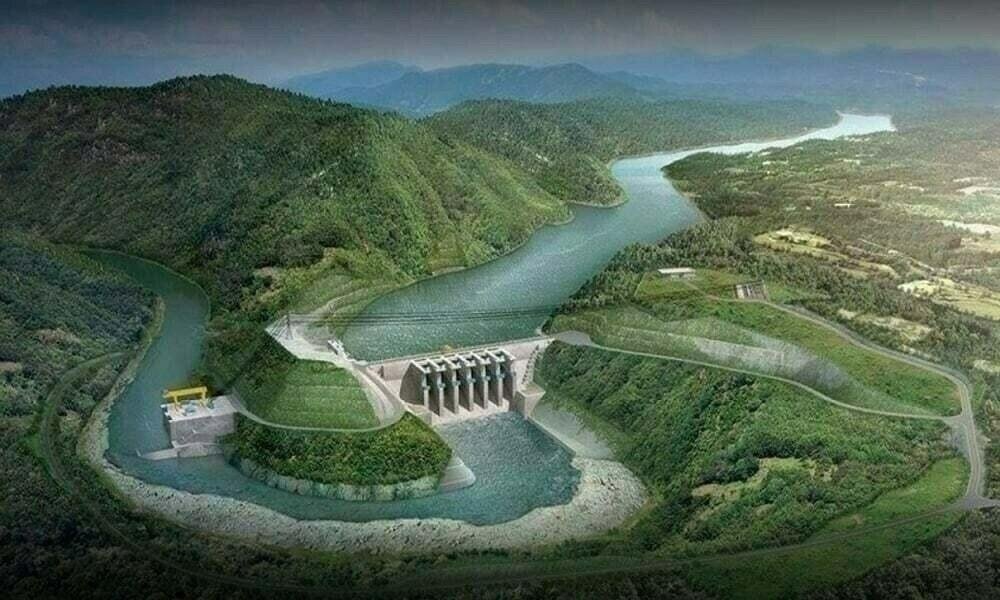
ECNEC Approves 11 Development Projects in Energy, Infrastructure, Healthcare, Technology
The Executive Committee of the National Economic Council (ECNEC), chaired by Deputy Prime Minister and…
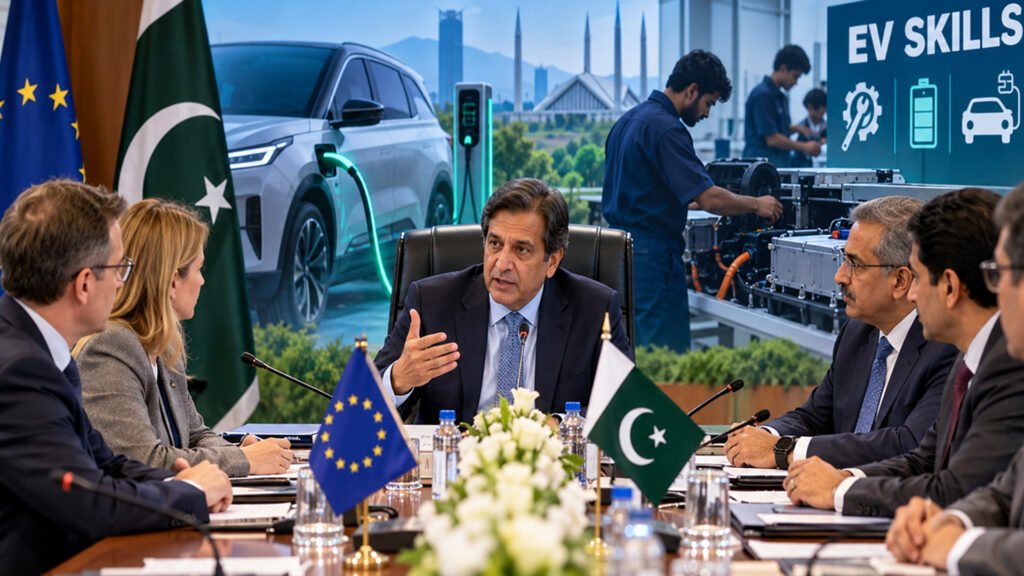
Pakistan, EU Explore Cooperation in Electric Vehicle Skills Development
Advisor to the Prime Minister for Industries and Production Haroon Akhtar Khan has directed the…
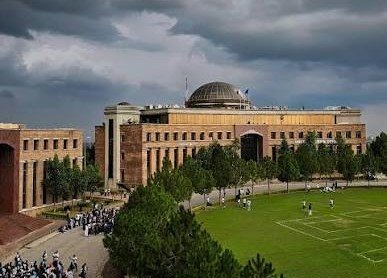
NUST Honours 66 PhD Scholars and 54 Medal-Winning Undergraduates at Convocation
Federal Minister for Planning, Development and Special Initiatives Ahsan Iqbal has urged graduates of the…
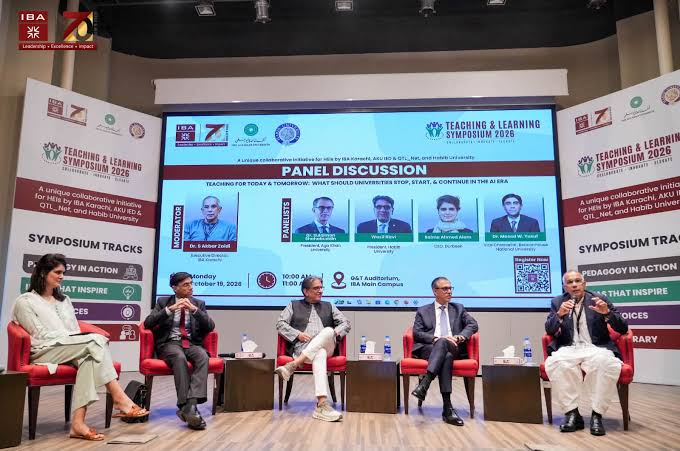
IBA, AKU and Habib University Join Hands to Rethink Education in the AI Era
The Institute of Business Administration (IBA) Karachi, in collaboration with Aga Khan University (AKU) and…
ABB Reports Strong Growth as AI Data Centre Spending Surges
Swiss engineering company ABB has reported strong growth in earnings, driven by a continued surge…