
WORLD
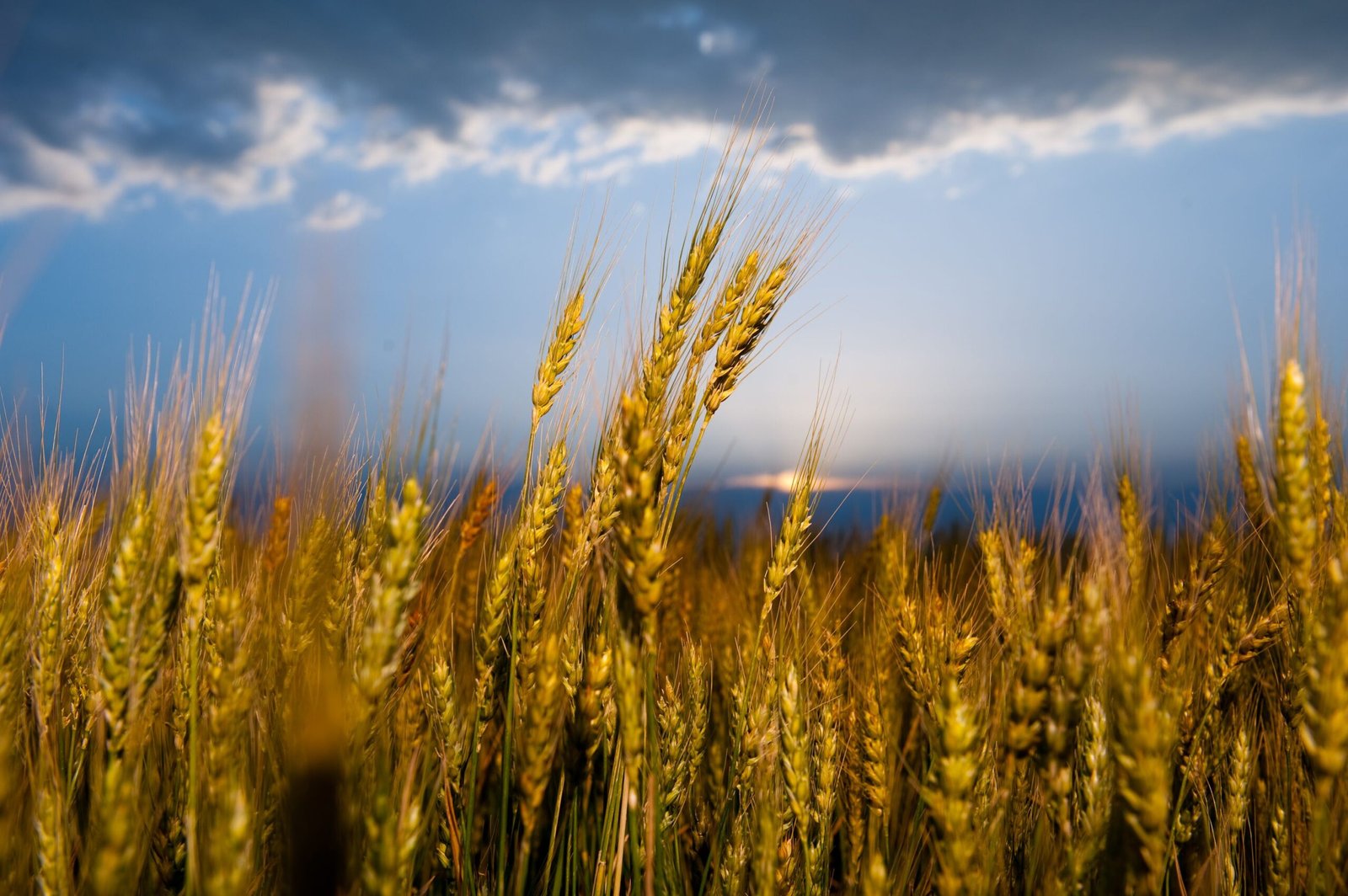
A new study from the University of Sheffield says that future heat waves could significantly change estimates of water requirements for wheat, potentially pushing them well beyond current benchmarks.
Researchers found that the stomatal pores on wheat leaves open much more widely during heat waves to help keep the plant cool, meaning wheat crops may use considerably more water than expected during extreme heat events.
The study—led by Robert Caine and Holly Croft from the School of Biosciences—revealed that wheat crops lose many of the key water-saving benefits normally associated with growth under higher atmospheric concentrations of carbon dioxide when exposed to heat-wave conditions.
Wheat provides around 20% of daily calories for the global population and is the most widely cultivated crop by land area. While yields have risen dramatically over the past century, mainly due to nitrogen fertilizers, the study says this has increased the crop’s water demand and made it more vulnerable to drought.
When scientists examined wheat under high-CO₂ heat-wave conditions, they discovered that stomata open much more widely—apparently to boost water flow and cool the plant through increased evapotranspiration.
The researchers noted that during heat waves, wheat stomata also failed to respond effectively to changing light levels, regardless of CO₂ concentration.
“This reduced responsiveness during heat waves means that wheat cannot narrow its stomata effectively when light levels drop—a process that would normally help limit water loss,” the study said.
It warned that this inability to close stomata could reduce drought tolerance, since plants grown under elevated CO₂ in cooler conditions typically close stomata substantially when light levels fall.
“Our findings provide a much clearer picture of how future climate conditions will affect one of the world’s most important crops,” said Caine.
He added that the team now aims to further investigate the internal processes of the plant to understand the molecular mechanisms governing how stomata on different wheat leaf surfaces respond to rising CO₂ and heat-wave conditions.
“If we can understand this, we may be able to adjust stomatal performance to optimise how plants grow under extreme future climates,” Caine said. – ERMD
MORE NEWS

Zong Launches 5G Home Broadband Service in Pakistan
Zong has launched Z HomeFi, a 5G fixed wireless access (FWA) home broadband service, aiming…

BYD Eyes Ultra-Fast EV Charging Technology for Pakistan
Chinese electric vehicle (EV) manufacturer BYD is in discussions with its Pakistani partner, Mega Motor…

Game-Based Digital Therapies Show Mixed Results in Treating Children with ADHD
Stimulant medications are among the most common treatments for children with attention-deficit/hyperactivity disorder (ADHD), helping…

Henri Kagan and Kenso Soai Awarded 2026 Nobel Prize in Chemistry
Scientists Henri Kagan and Kenso Soai have been awarded the 2026 Nobel Prize in Chemistry…

In Memory of Mohammad Akram Sheikh Chairman United Wire Industries
Mohammad Akram Sheikh Chairman United Wire Industries With profound sorrow, we remember Mr. Mohammad Akram…

IEEE Education Society Karachi Section Hosts Dr. Chi-Un Lei Webinar
Rethinking Graduate Education in Age of AI Chair IEEE Education Society, Karachi Section, Prof Dr…