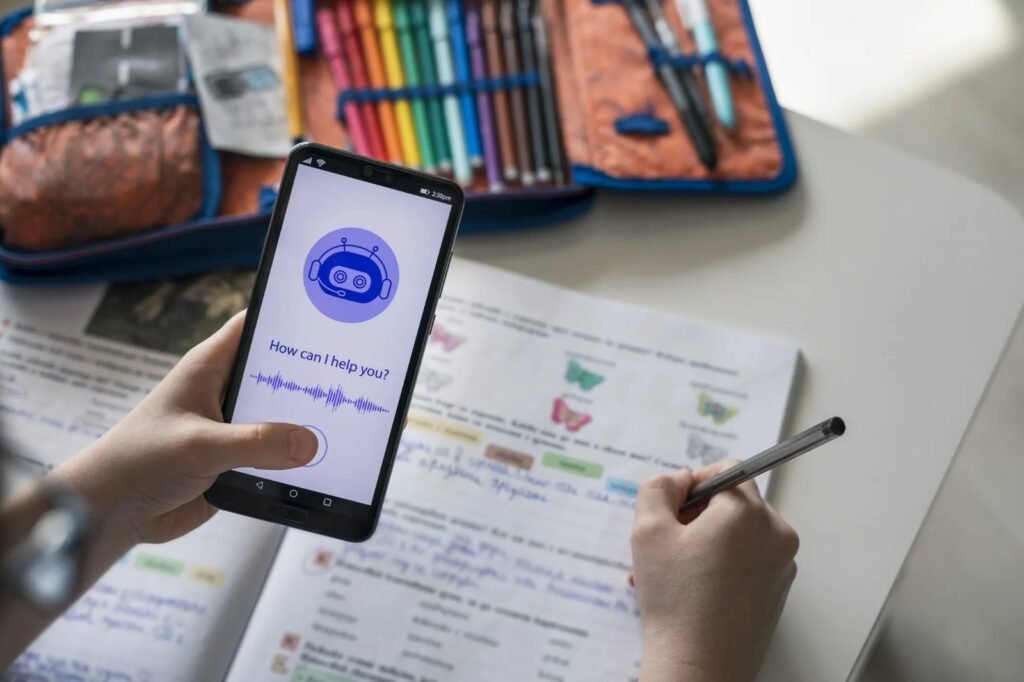
Artificial intelligence (AI) is rapidly becoming an integral part of the modern workplace, helping employees draft emails, summarize lengthy documents and complete routine administrative tasks. While the technology boosts efficiency, experts caution that excessive reliance on AI could gradually erode essential cognitive and professional skills.
Surveys indicate that between 44% and 52% of workers in the United Kingdom use AI tools at work, although only a smaller proportion use them regularly. In Germany, a study by the Pinktum Institute found that around 80% of employees use AI at least occasionally, with many turning to tools such as ChatGPT, Gemini and Claude primarily for convenience. Nearly 43% of respondents admitted they rely on AI because they rarely feel inclined to explore topics in depth.
Researchers describe this phenomenon as “deskilling”—the gradual loss or failure to develop important skills as AI takes over more intellectual tasks. According to Josephine Hofmann, who leads the Collaboration and Leadership team at Germany’s Fraunhofer Institute for Industrial Engineering, deskilling can occur when people stop practising fundamental abilities such as reading critically, evaluating information, writing independently and generating original ideas.
Although research has not conclusively proven that AI directly causes declining critical thinking skills, several studies suggest a strong connection. A study by the SBS Swiss Business School found a significant negative correlation between frequent AI use and critical thinking. Experts warn that when AI consistently performs tasks requiring analysis and judgement, workers may lose confidence in their own reasoning and become less motivated to learn.
Convenience is one of the main reasons employees embrace AI. The technology saves time and helps meet increasing workplace demands for speed and productivity. However, Hofmann warns that workers may gradually shift from understanding tasks themselves to simply delegating them to AI. As a result, they could become less capable of identifying errors, inconsistencies or biased outputs generated by AI systems, weakening their ability to perform effective quality checks.
Experts stress that the solution is not to avoid AI but to use it thoughtfully. Rather than allowing AI to replace human thinking, employees should treat it as a collaborative tool that challenges ideas, offers alternative perspectives and supports learning. Hofmann suggests using AI as a “thinking partner” by asking it to question assumptions instead of simply producing answers.
Maintaining core skills also requires regular practice without AI assistance. Professionals are encouraged to write important emails, analyse reports and solve complex problems independently to preserve their critical thinking abilities. Education expert Carina Ebli-Korbel believes individuals must take responsibility for deciding which tasks should remain human-driven, particularly those involving analysis, judgement and decision-making.
Despite the concerns, experts also highlight AI’s potential to strengthen human capabilities. Used responsibly, it can help people understand unfamiliar subjects more quickly, identify knowledge gaps, stimulate creativity and improve judgement by encouraging users to critically review AI-generated content. Occupational psychologist Markus Langer notes that carefully evaluating AI outputs can itself become a valuable exercise in developing analytical skills.
Ultimately, specialists agree that AI should enhance—not replace—human intelligence. Workers who remain curious, continue learning and use AI as a support tool rather than a substitute for independent thinking will be best positioned to benefit from the technology while safeguarding their long-term skills. – TS/ERMD
Engr. Waseem Asghar re-elected ACEP Chairman
Engr. Waseem Asghar has been re-elected Chairman of the Association of Consulting Engineers Pakistan (ACEP)…
Adoption of Industry 5.0 Technologies in Sustainable Engineering
In the field of engineering for sustainability, the switch to Industry 5.0 technologies signifies a…

Pakistan Cables recognized at 3rd International Solar Technology Excellence Awards 2026
Pakistan Cables Ltd. has been recognized as the exclusive category winner for Solar DC Cables…
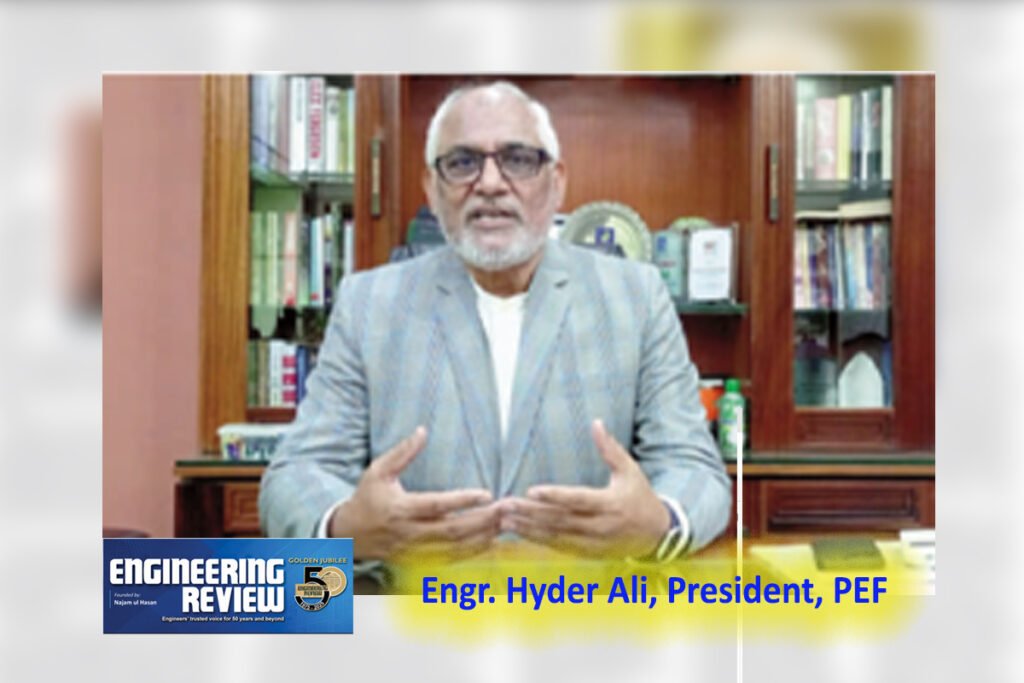
PEC Deadlock: How Did the Two-Year Crisis Develop?
The Pakistan Engineering Council (PEC) is facing a serious institutional deadlock, raising questions about how…
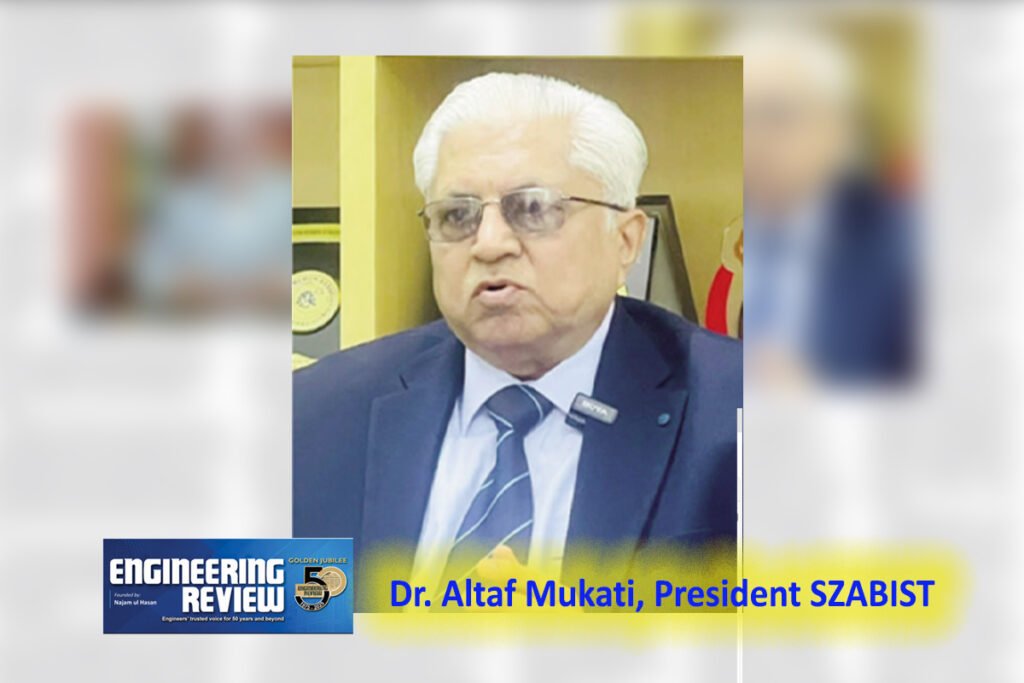
Prof. Dr. Altaf Mukati appointed SZABIST President
Prof. Dr. Muhammad Altaf Mukati has been appointed President of Shaheed Zulfikar Ali Bhutto Institute…
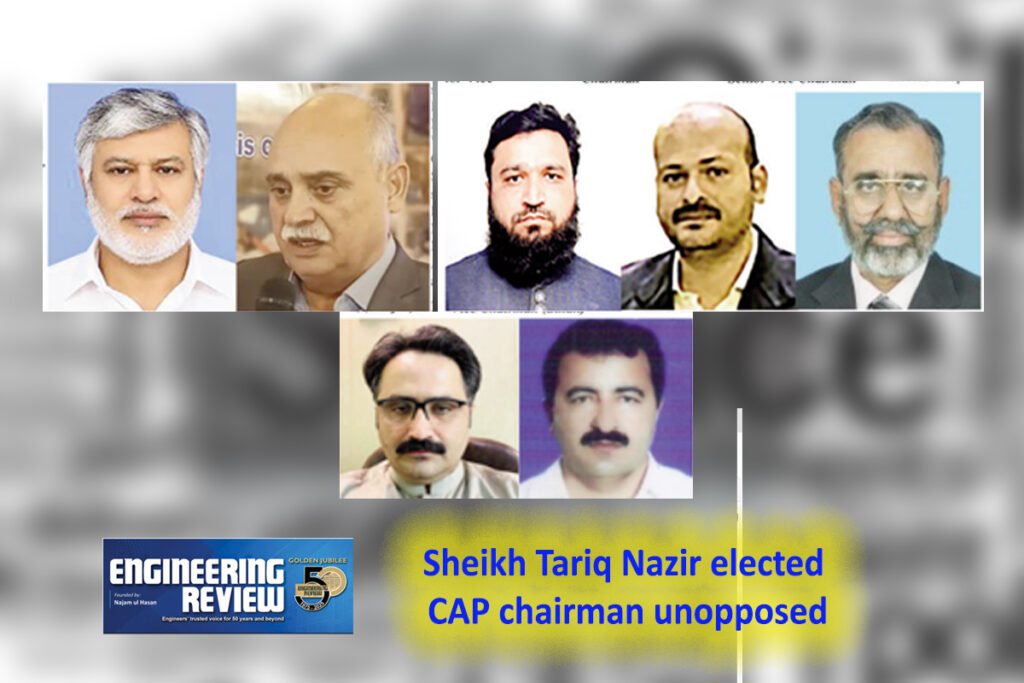
Sheikh Tariq Nazir elected CAP chairman unopposed
Sheikh Tariq Nazir has been elected unopposed as Chairman of the Constructors Association of Pakistan…