
PAKISTAN
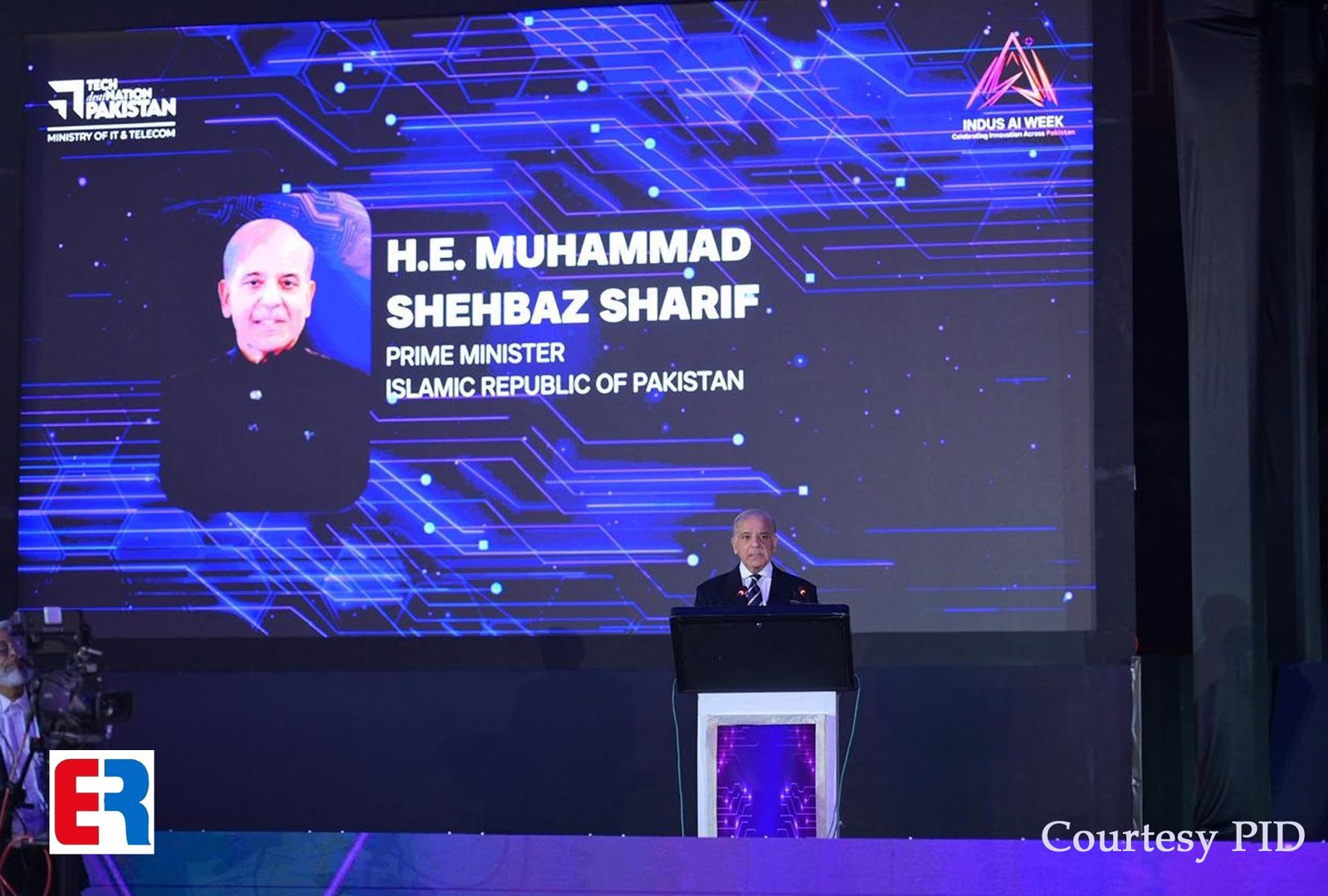
The Indus AI Summit 2026 concluded at the Jinnah Convention Center, marking a pivotal moment in Pakistan’s journey from AI policy discussions to practical implementation. Organized by the Ministry of IT and Telecommunication as the centerpiece of Indus AI Week (9–15 February), the summit brought together global experts, policymakers, and industry leaders to define Pakistan’s strategic AI direction.
Prime Minister Muhammad Shehbaz Sharif attended as Chief Guest alongside Federal Minister for IT Shaza Fatima Khawaja. In his address, the Prime Minister described artificial intelligence as central to national progress and announced a $1 billion government commitment to AI by 2030. The investment will fund sovereign compute infrastructure, research, and ecosystem development. He also announced 1,000 fully funded AI PhD scholarships, the introduction of AI curriculum in federal schools, and a plan to train one million non-IT professionals in AI skills.
Federal Minister for Planning Ahsan Iqbal linked AI adoption to the “Uraan Pakistan” vision, stressing academia–industry integration for export growth and jobs. Minister Shaza Fatima highlighted ongoing digital reforms, including e-office adoption and high-performance computing foundations, and emphasized international partnerships.
A key outcome was the Islamabad Declaration, outlining eight pillars for sovereign, ethical, and accountable AI governance, focused on data trust, public value, explainability, and a private-sector-led ecosystem.
The summit featured international voices including Dr Aisha Bin Bishr, Türkiye’s Deputy Minister Muhammet Kasım Gönüllü, and experts from Canada, China, the UAE, and global tech firms. Dialogues covered AI governance, financing, data policy, and AI-native government design.
With the summit concluded, activities now move to public engagement events at the Islamabad Sports Complex, as Indus AI Week continues nationwide through February 15, signaling Pakistan’s intent to become a regional AI leader. – ER News Desk/PID
READ MORE
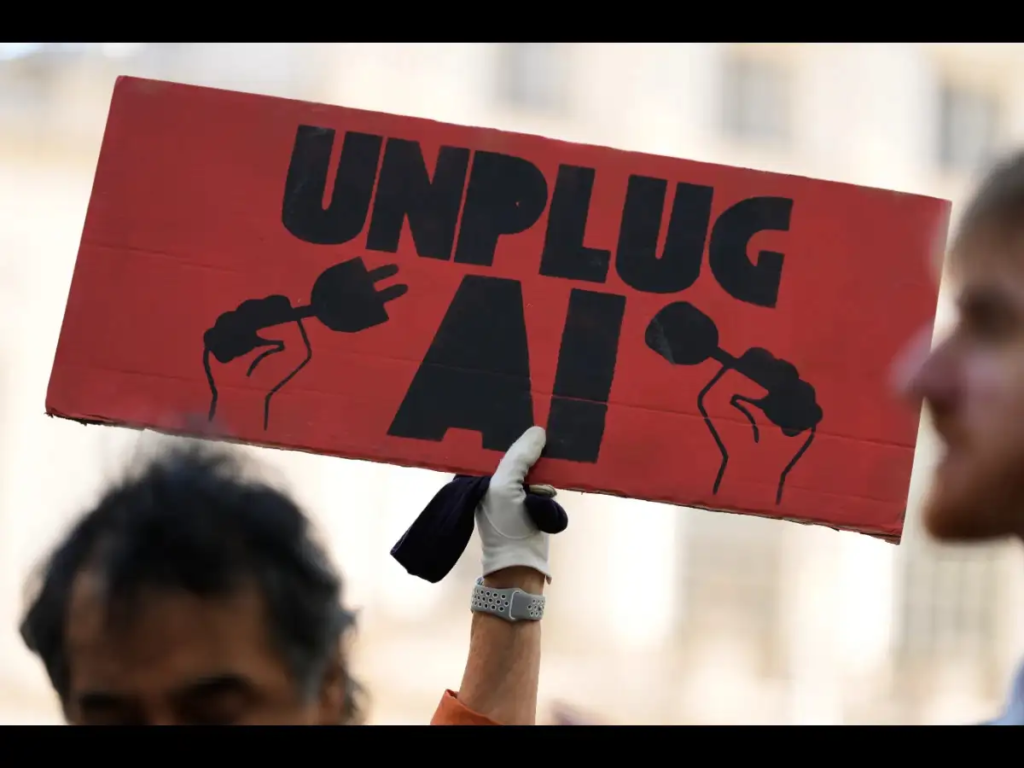
40 Major Media Groups Join Coalition to Protect Journalism from AI Copyright Violations
Forty major media organisations, including The New York Times, The Economist and Agence France-Presse (AFP),…
Zong Launches 5G Home Broadband Service in Pakistan
Zong has launched Z HomeFi, a 5G fixed wireless access (FWA) home broadband service, aiming…
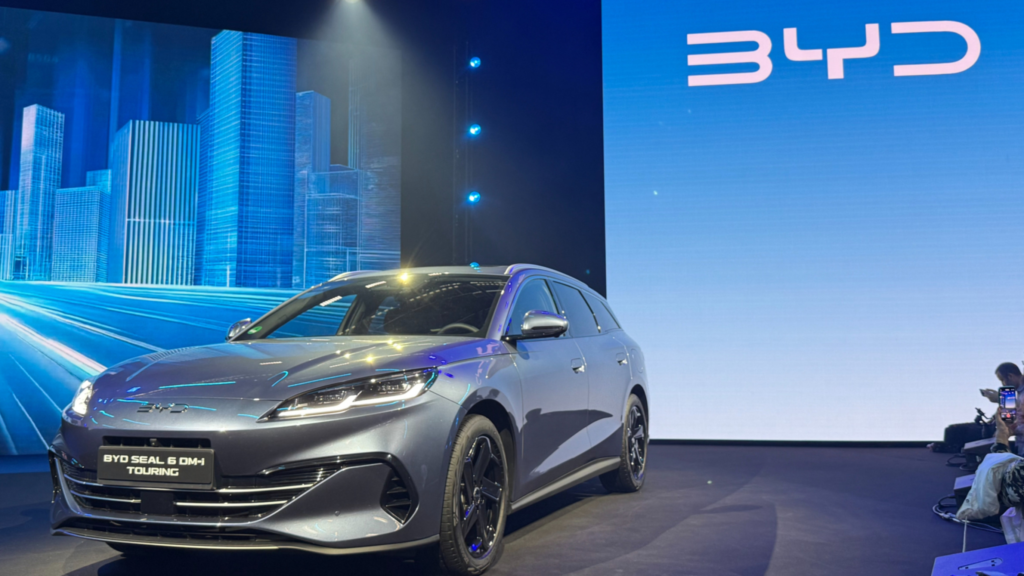
BYD Eyes Ultra-Fast EV Charging Technology for Pakistan
Chinese electric vehicle (EV) manufacturer BYD is in discussions with its Pakistani partner, Mega Motor…
Game-Based Digital Therapies Show Mixed Results in Treating Children with ADHD
Stimulant medications are among the most common treatments for children with attention-deficit/hyperactivity disorder (ADHD), helping…
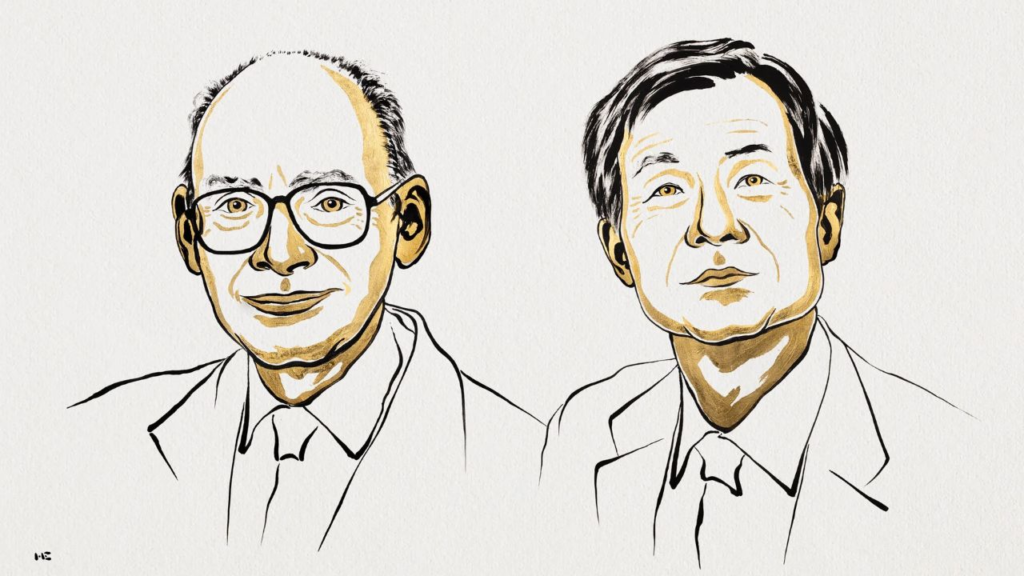
Henri Kagan and Kenso Soai Awarded 2026 Nobel Prize in Chemistry
Scientists Henri Kagan and Kenso Soai have been awarded the 2026 Nobel Prize in Chemistry…
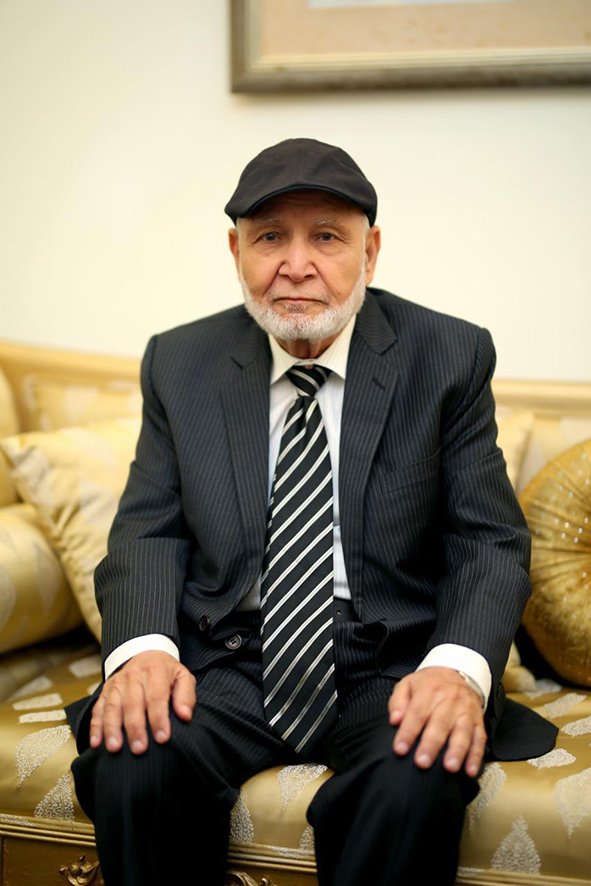
In Memory of Mohammad Akram Sheikh Chairman United Wire Industries
Mohammad Akram Sheikh Chairman United Wire Industries With profound sorrow, we remember Mr. Mohammad Akram…