
WORLD
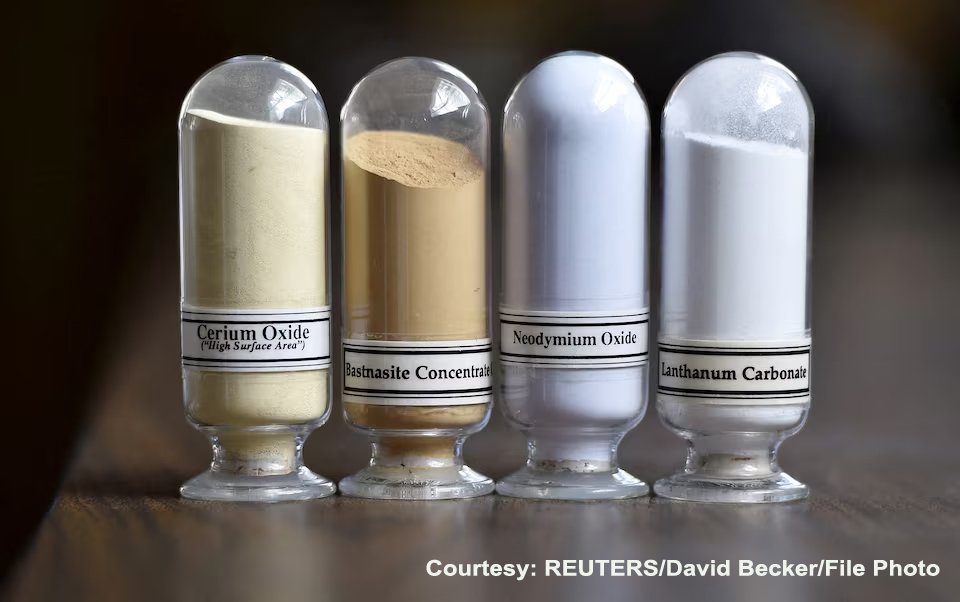
Researchers at the University of New Hampshire have harnessed artificial intelligence to accelerate the discovery of new functional magnetic materials, creating a searchable database of 67,573 magnetic materials, including 25 previously unrecognized compounds that remain magnetic even at high temperatures.
“By accelerating the discovery of sustainable magnetic materials, we can reduce dependence on rare earth elements, lower the cost of electric vehicles and renewable-energy systems, and strengthen the U.S. manufacturing base,” said Suman Itani, lead author and a doctoral student in physics.
The newly created database, named the Northeast Materials Database, helps to more easily explore all the magnetic materials which play a major role in the technology that powers our world: smartphones, medical devices, power generators, electric vehicles and more. But these magnets rely on expensive, imported, and increasingly difficult to obtain rare earth elements, and no new permanent magnet has been discovered from the many magnetic compounds we know exist.
How AI is transforming materials research
The research, published in the journal Nature Communications, outlines how the UNH team built an artificial intelligence system that can read scientific papers and extract those key experimental details.
This data fed computer models that identified whether a material is magnetic, and how high a temperature it can withstand before losing its magnetism and organized it into a single, searchable database.
Scientists know that many undiscovered magnetic compounds exist, but testing every possible combination of elements—potentially millions—in the lab is prohibitively time-consuming and expensive.
“We are tackling one of the most difficult challenges in materials science—discovering sustainable alternatives to permanent magnets—and we are optimistic that our experimental database and growing AI technologies will make this goal achievable,” said Jiadong Zang, physics professor and co-author.
Researchers, which also include co-author Yibo Zhang, a postdoctoral researcher in both physics and chemistry, say that moving forward the modern large language model behind this project could have widespread use beyond this database, particularly in higher education. For instance, converting images to a modern rich text format could also be used to modernize library holdings. – Courtesy TX/Nature Communications
MORE NEWS

Zong Launches 5G Home Broadband Service in Pakistan
Zong has launched Z HomeFi, a 5G fixed wireless access (FWA) home broadband service, aiming…

BYD Eyes Ultra-Fast EV Charging Technology for Pakistan
Chinese electric vehicle (EV) manufacturer BYD is in discussions with its Pakistani partner, Mega Motor…

Game-Based Digital Therapies Show Mixed Results in Treating Children with ADHD
Stimulant medications are among the most common treatments for children with attention-deficit/hyperactivity disorder (ADHD), helping…
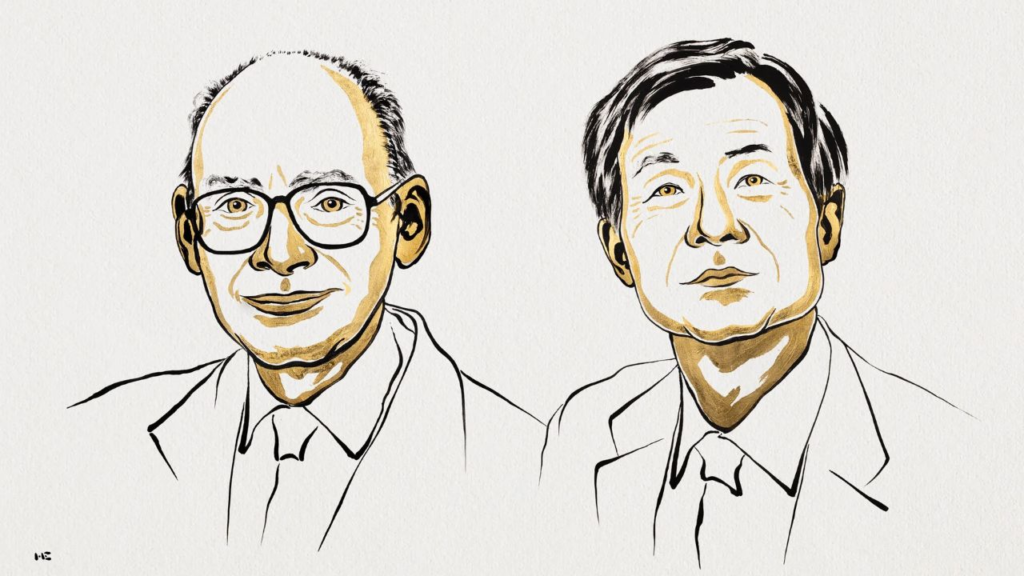
Henri Kagan and Kenso Soai Awarded 2026 Nobel Prize in Chemistry
Scientists Henri Kagan and Kenso Soai have been awarded the 2026 Nobel Prize in Chemistry…

In Memory of Mohammad Akram Sheikh Chairman United Wire Industries
Mohammad Akram Sheikh Chairman United Wire Industries With profound sorrow, we remember Mr. Mohammad Akram…
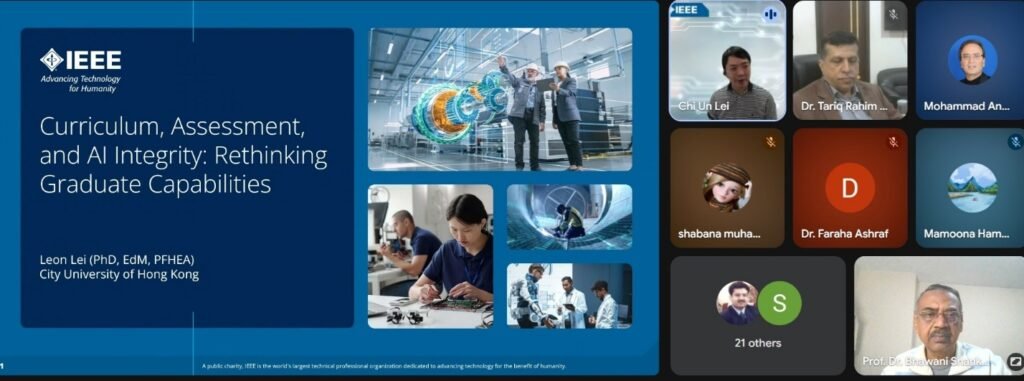
IEEE Education Society Karachi Section Hosts Dr. Chi-Un Lei Webinar
Rethinking Graduate Education in Age of AI Chair IEEE Education Society, Karachi Section, Prof Dr…