

Meta has launched Muse, a personal artificial intelligence (AI) agent designed to help users aged 18 and above manage everyday tasks and turn long-term goals into actionable plans.
The new agent, introduced on September 8, is initially available only in the United States. Meta is highlighting privacy and security features, saying Muse operates on a dedicated, secure virtual machine that keeps the agent and users’ data protected.
Users can interact with Muse through a standalone app or via WhatsApp. The AI agent can perform routine tasks such as sending emails and booking travel, while also helping users pursue longer-term objectives, including developing a year-long exercise plan or establishing a new business.
According to Meta, users can provide Muse with a goal and the agent will create a personalised plan, coordinate the necessary time and resources, and carry out tasks independently. It can reportedly open a web browser, complete online forms and negotiate on a user’s behalf.
AI agents are increasingly being promoted by technology companies as the next evolution of chatbots. While conventional chatbots primarily answer questions and retrieve information, AI agents are designed to take actions on behalf of users.
These systems combine traditional computer-programming capabilities with large language models, allowing them to identify information and determine the steps needed to complete a task without requiring detailed instructions for every action. In theory, an agent could handle an entire process, from interpreting a message to preparing and sending an appropriate response.
Muse also aligns with Meta CEO Mark Zuckerberg’s broader vision of making advanced AI widely accessible. Zuckerberg has said the company is working towards a future in which personal AI agents could assist people with areas such as education, careers, finances, relationships, hobbies and household management.
Meta sees such agents as tools that could automate routine work, free up users’ time and help them achieve longer-term goals with less day-to-day effort. – TS/ERMD
READ MORE

PEC Deadlock: How Did the Two-Year Crisis Develop?
The Pakistan Engineering Council (PEC) is facing a serious institutional deadlock, raising questions about how…
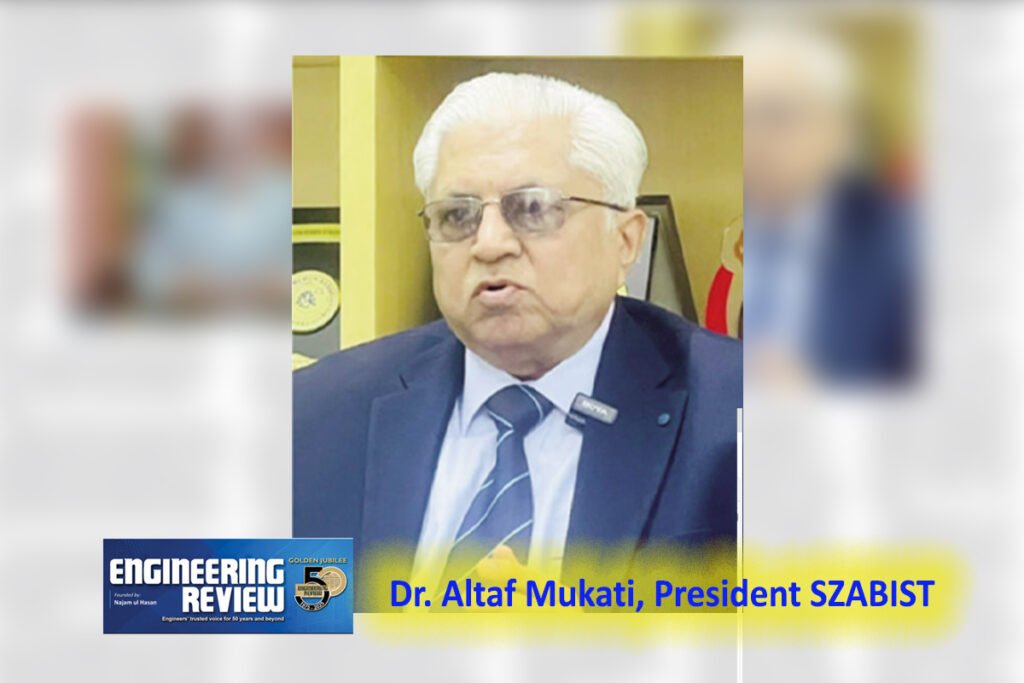
Prof. Dr. Altaf Mukati appointed SZABIST President
Prof. Dr. Muhammad Altaf Mukati has been appointed President of Shaheed Zulfikar Ali Bhutto Institute…

Sheikh Tariq Nazir elected CAP chairman unopposed
Sheikh Tariq Nazir has been elected unopposed as Chairman of the Constructors Association of Pakistan…

Civil Service Restructuring Brings Engineering Back Into the Spotlight
By Manzoor Shaikh Pakistan’s federal government has finalized a sweeping plan to restructure the country’s…
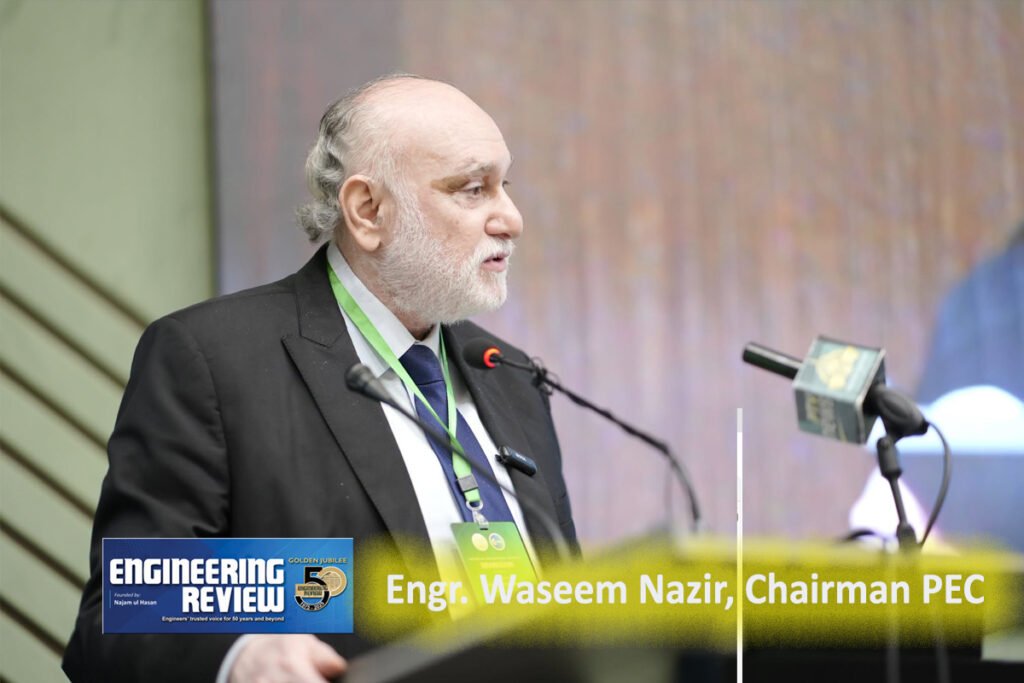
PEC’s Seven Recurring Problems: Is the Institution Bigger Than Its Chairman?
By Manzoor Shaikh There are seven interesting—and increasingly uncomfortable—observations about the Pakistan Engineering Council (PEC)…

Kaspersky Raises Alarm Over Cyber Threats to Young Pakistani Users
Cybersecurity company Kaspersky has warned that children in Pakistan may face a range of online…