
PAKISTAN
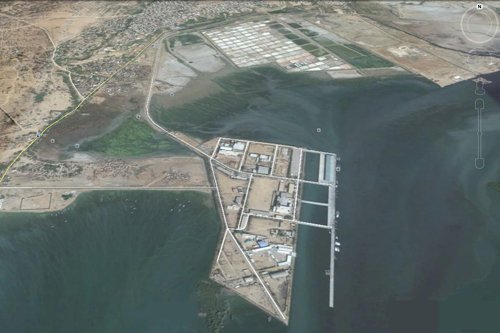
Federal Minister for Maritime Affairs Muhammad Junaid Anwar Chaudhry announced plans to establish a 100-acre, US$80 million Seafood Processing and Export Zone at the Korangi Fisheries Harbour Authority (KoHFA), aimed at boosting the blue economy and global seafood trade.
The proposed project, as stated in an official announcement, aims to develop, finance, and operate a modern seafood processing and value addition complex under KoHFA, positioning the harbour as a regional hub for sustainable, technology-driven seafood processing linked to high-value international markets.
Chaudhry said the initiative would bridge medium-scale seafood processors and value-added plants with global buyers by providing modern infrastructure, certification standards and efficient export logistics. He added that the project reflects the government’s intent to move away from raw seafood exports towards higher-value processed products.
The minister noted the project would cover 100 acres of dedicated seafood processing and export infrastructure at Korangi Fisheries Harbour in Karachi. He said the estimated project cost ranges between 60 million and 80 million dollars, based on regional benchmarks from countries such as Vietnam, China and Ecuador, which have developed similar seafood parks.
He said the planned facilities would include multi-tenant seafood processing units, large-scale cold storage, packaging facilities, logistics and export terminals, and a wastewater treatment plant to ensure environmentally compliant operations. The zone would be used exclusively for commercial seafood processing, packaging, cold storage and export-oriented activities.
Minister Chaudhry said the project is proposed under a public-private partnership or build-operate-transfer concession model, under which private investors would develop, operate and maintain the processing zone, while KoHFA would retain regulatory oversight and provide facilitation.
Elaborating on the development components, the minister said the zone would host between 20 and 25 mediums to large-scale seafood processing units designed for fish, shrimp and cephalopod processing, value addition and export-grade packaging. He said these units would support a wide range of products, from primary processing to ready-for-market seafood items.
He said the project would include a cold storage and blast freezing complex with multi-temperature storage ranging from minus 18 to minus 40 degrees Celsius, allowing safe handling of fresh, processed and unprocessed seafood. Ice plants and flake ice stations with a daily capacity of 50 to 100 tons would support fish landing, processing and transportation needs.
The minister said dedicated value addition and ready-to-eat units would be established for filleting, marinated products, breaded seafood and export-oriented convenience foods, enabling Pakistani exporters to tap premium retail and food service markets abroad.
“Packaging and labelling units would operate under international food safety and quality standards, including HACCP and ISO certifications, offering vacuum packing, modified atmosphere packaging and retail-ready solutions”, he added. – ER News Desk
READ MORE

40 Major Media Groups Join Coalition to Protect Journalism from AI Copyright Violations
Forty major media organisations, including The New York Times, The Economist and Agence France-Presse (AFP),…

Zong Launches 5G Home Broadband Service in Pakistan
Zong has launched Z HomeFi, a 5G fixed wireless access (FWA) home broadband service, aiming…

BYD Eyes Ultra-Fast EV Charging Technology for Pakistan
Chinese electric vehicle (EV) manufacturer BYD is in discussions with its Pakistani partner, Mega Motor…

Game-Based Digital Therapies Show Mixed Results in Treating Children with ADHD
Stimulant medications are among the most common treatments for children with attention-deficit/hyperactivity disorder (ADHD), helping…

Henri Kagan and Kenso Soai Awarded 2026 Nobel Prize in Chemistry
Scientists Henri Kagan and Kenso Soai have been awarded the 2026 Nobel Prize in Chemistry…
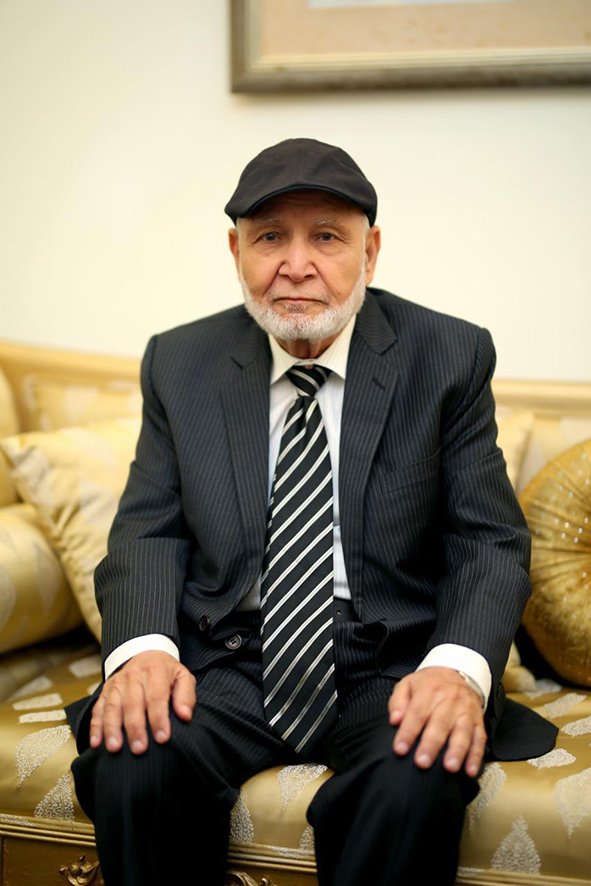
In Memory of Mohammad Akram Sheikh Chairman United Wire Industries
Mohammad Akram Sheikh Chairman United Wire Industries With profound sorrow, we remember Mr. Mohammad Akram…