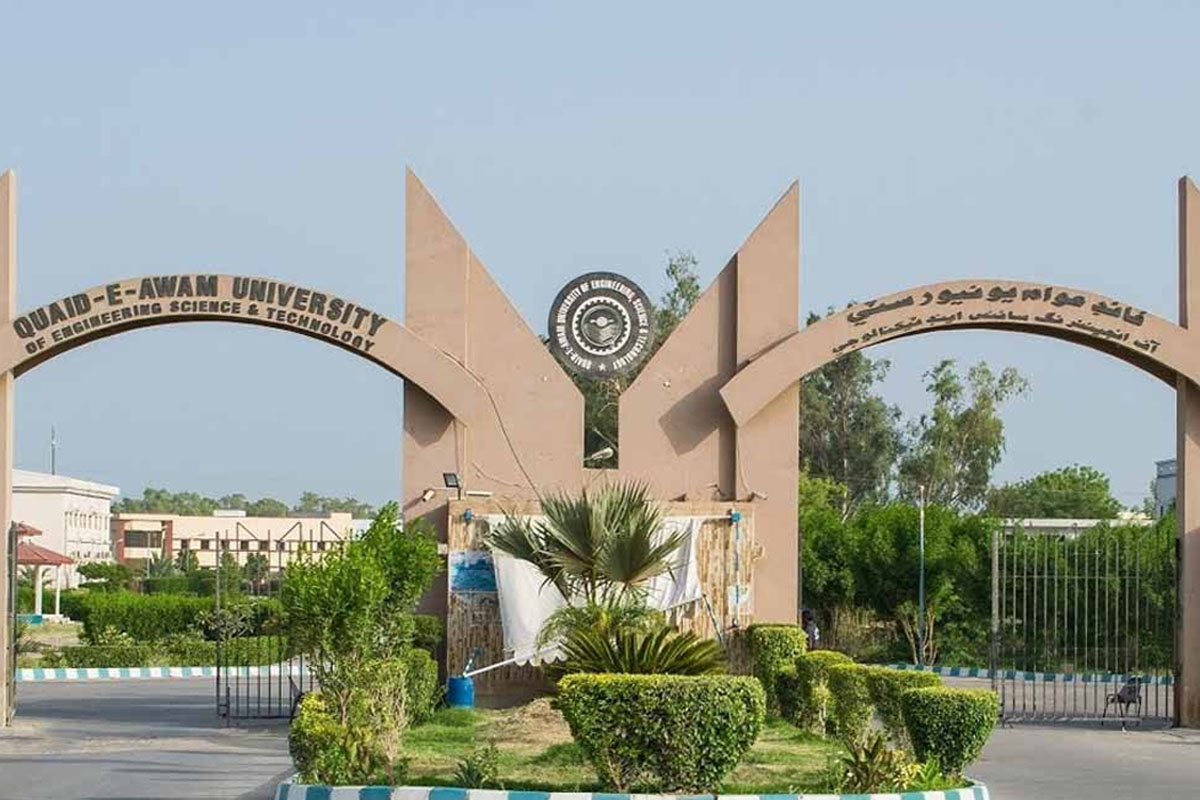
Quaid-e-Awam University of Engineering, Science and Technology (QUEST), Nawabshah has emerged as Sindh’s top engineering university for quality education in the Times Higher Education (THE) Impact Rankings 2026, securing second position among all universities in the province and fifth nationwide.
The rankings, which assess universities worldwide on their contributions to the United Nations Sustainable Development Goals (SDGs), recognize institutions demonstrating excellence in education, research, innovation, environmental sustainability, social responsibility, and global partnerships.
QUEST achieved an impressive world ranking band of 101–200 in SDG 4 (Quality Education), placing it first among engineering and technology universities in Sindh, second among all universities in the province, and among Pakistan’s top five institutions in this category.
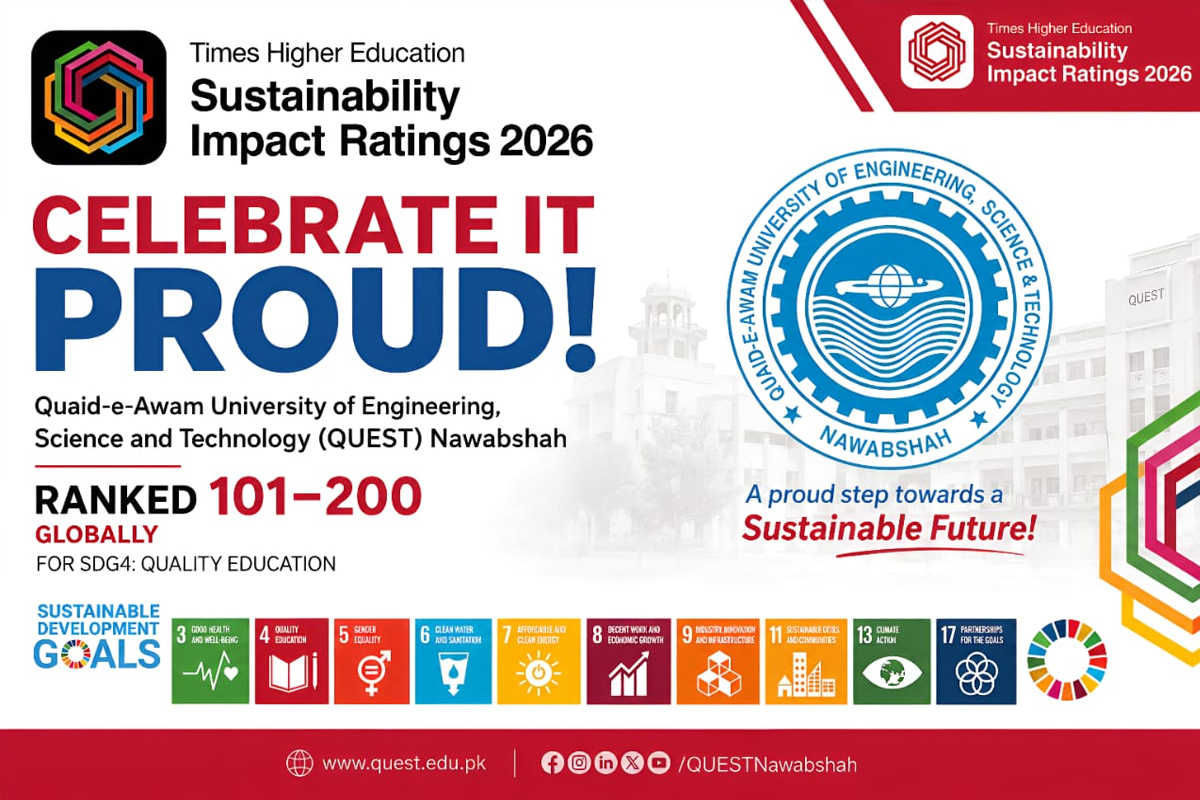
The university also earned global recognition in several other SDGs, ranking in the 601–800 band for SDG 10 (Reduced Inequalities), 1001+ for SDG 5 (Gender Equality), and 1001–1500 for SDG 17 (Partnerships for the Goals).
The achievement reflects QUEST’s commitment to providing inclusive, high-quality education while promoting research, innovation, community engagement, and sustainable development.
The university attributed its progress to the leadership of Vice Chancellor Prof. Dr. Saleem Raza Samo, who has focused on strengthening academic quality, enhancing research productivity, promoting innovation, expanding industry-academia collaboration, improving governance, and aligning the university’s strategic priorities with international standards and the UN Sustainable Development Goals.
Under his leadership, QUEST has accelerated institutional reforms, strengthened quality assurance mechanisms, expanded international collaborations, and encouraged departments to contribute actively to sustainable development through teaching, research, and community outreach.
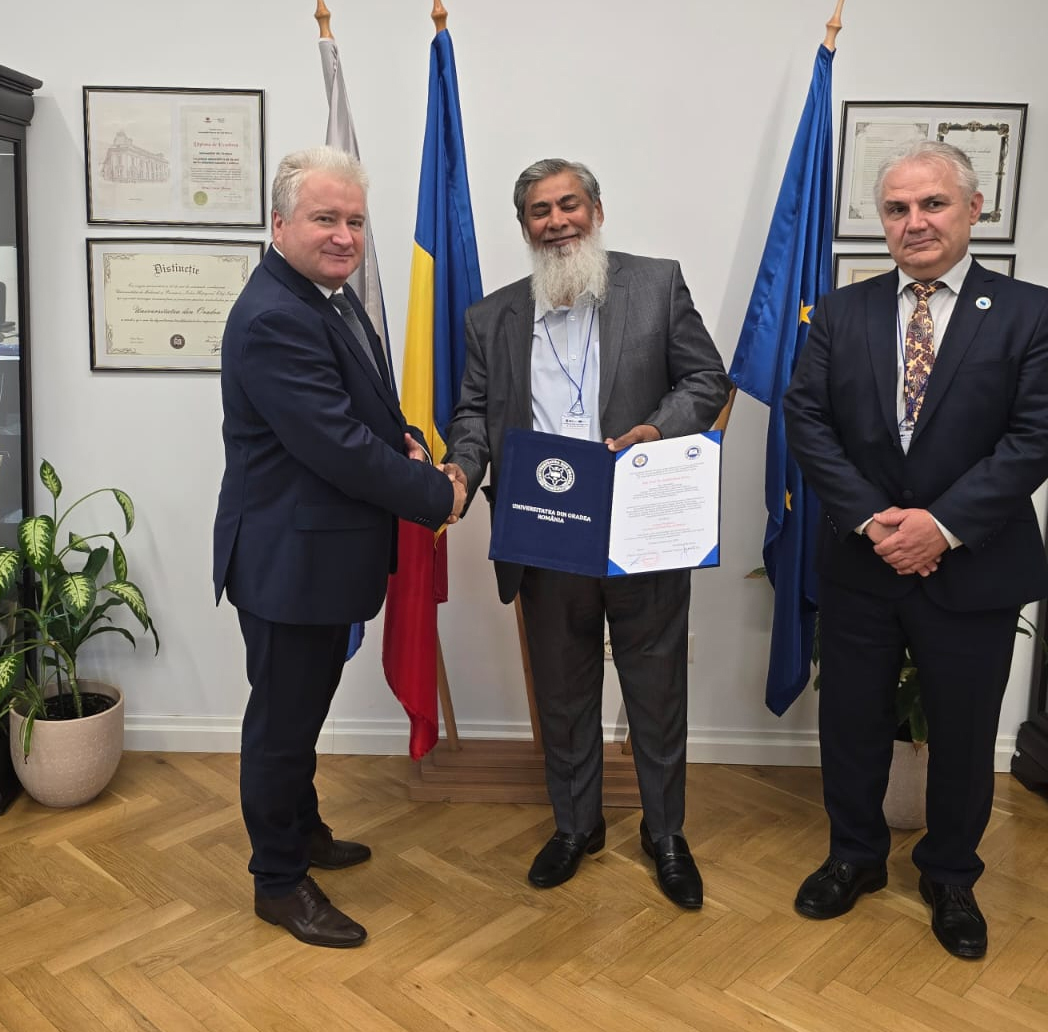
Speaking on the achievement, Prof. Dr. Samo congratulated the faculty, students, researchers, officers, staff, alumni, and stakeholders, saying the global ranking reflects the university’s collective commitment to academic excellence, quality education, and societal impact. He reaffirmed QUEST’s resolve to further improve its international standing while producing engineers, scientists, and professionals capable of addressing national and global challenges.
The Vice Chancellor also acknowledged the efforts of Prof. Dr. Abdul Sattar Saand, Prof. Dr. Abdul Hanan Shaikh, Engr. Agha Sheraz, and Dr. A.R. Kattri, whose leadership and technical contributions were instrumental in preparing the university’s submission for the THE Impact Rankings 2026.
The latest recognition marks another significant milestone in QUEST’s journey toward becoming a globally recognized centre of excellence in engineering, science, technology, research, innovation, and sustainable development. The university said it would continue strengthening its role in delivering quality education, generating impactful research, and contributing to Pakistan’s sustainable development agenda through continuous improvement and international collaboration. – ER
READ MORE

China’s Robot Trainers Turn Household Chores into AI Training Data
Across China, a growing number of freelance workers are training robots by performing everyday household…

AI Safety Concerns Dominate Dublin Summit as Experts Warn of Emerging Threats
Artificial intelligence safety emerged as a major concern at an industry summit in Dublin on…

40 Major Media Groups Join Coalition to Protect Journalism from AI Copyright Violations
Forty major media organisations, including The New York Times, The Economist and Agence France-Presse (AFP),…
Zong Launches 5G Home Broadband Service in Pakistan
Zong has launched Z HomeFi, a 5G fixed wireless access (FWA) home broadband service, aiming…

BYD Eyes Ultra-Fast EV Charging Technology for Pakistan
Chinese electric vehicle (EV) manufacturer BYD is in discussions with its Pakistani partner, Mega Motor…

Game-Based Digital Therapies Show Mixed Results in Treating Children with ADHD
Stimulant medications are among the most common treatments for children with attention-deficit/hyperactivity disorder (ADHD), helping…