
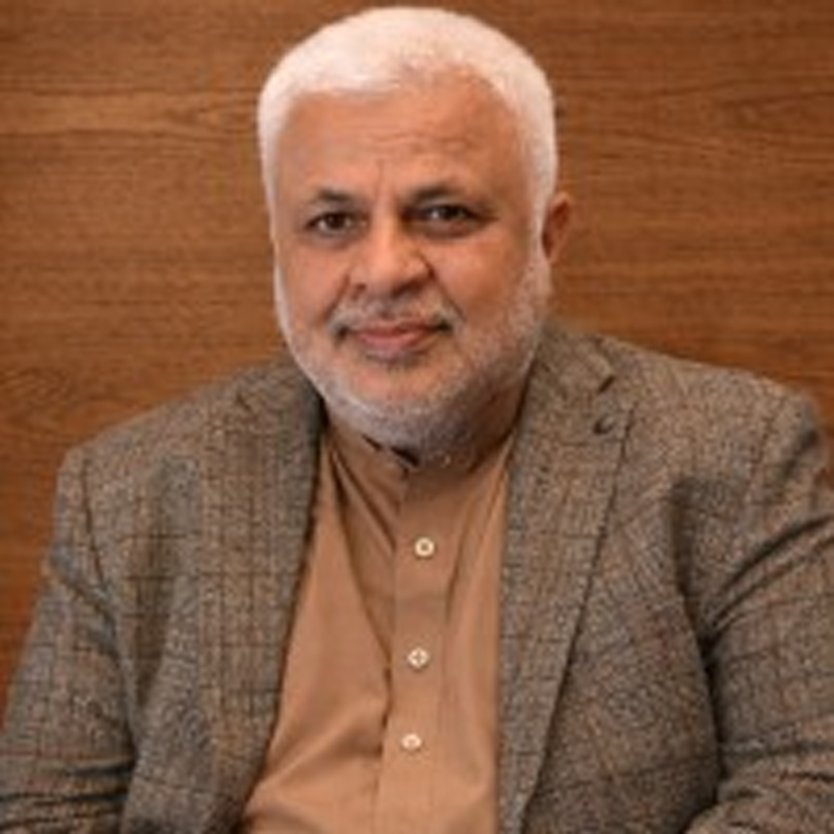
Dr. Waheed Bhutto, Pro VC, DUE&T, Karachi
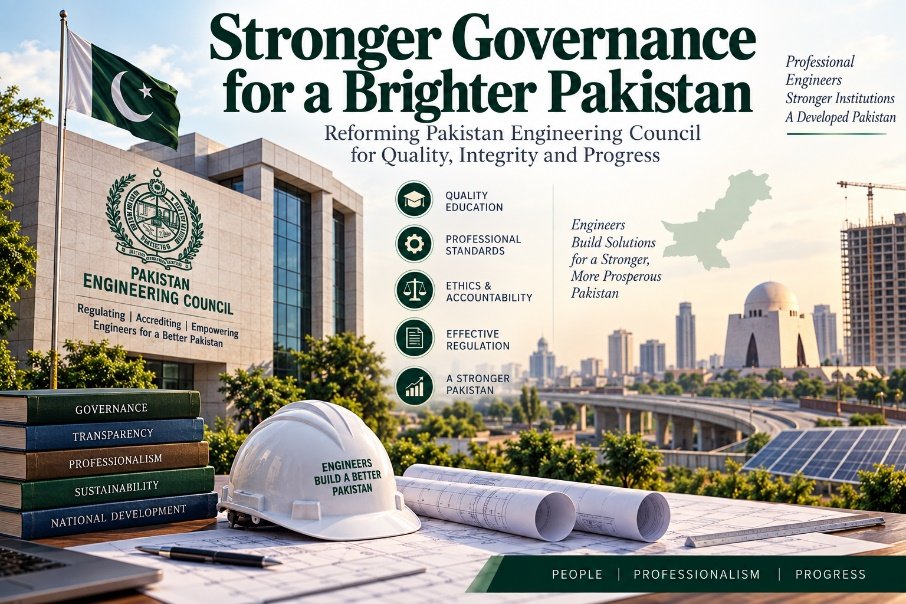
The recent developments within the Pakistan Engineering Council (PEC) have raised questions that extend far beyond the appointment of a Registrar.
They point to a more fundamental issue of how a statutory professional regulator should be governed when its representative, executive and administrative authorities begin to overlap?
PEC was established under the Pakistan Engineering Council Act, 1976, as a statutory body responsible for regulating the engineering profession. Its Governing Body is the principal institutional authority, while a Management Committee comprising the Chairman, Senior Vice-Chairman and four Vice-Chairmen oversees the working of the Secretariat. The Act requires the Governing Body to meet at least three times a year and assigns the Management Committee responsibility for overseeing the Secretariat in accordance with the Act and Byelaws.
The present situation deserves careful consideration because engineering regulation is not an ordinary administrative function. PEC’s decisions affect engineering universities, students, professional engineers, consultants, industry and public safety.
A governance dispute moves into operational territory
Two official PEC documents dated September 13 and September 18, 2026, provide an important snapshot of the current institutional dispute.
The September 13 minutes record an emergency meeting of the Management Committee concerning the postponement of the 54th meeting of the Governing Body. The Management Committee expressed “grave concern” about the postponement and directed that the meeting be held according to its original schedule. It also advised the Registrar to withdraw the postponement letter.
More significantly, a PEC letter dated September 18 addressed to the Manager of MCB Bank stated that, following a decision attributed to the 54th Governing Body meeting, Engr. Khadim Hussain Bhatti had assumed charge as Secretary/Registrar. The letter withdrew the earlier authorization of Engr. Muhammad Ansar as an authorized signatory and instructed the bank not to entertain financial instruments or transactions signed by him on behalf of PEC.
Thus, the dispute has moved beyond an internal disagreement over an appointment. It has reached institutional administration and financial authority. At the same time, the Islamabad High Court has restrained issuance of an appointment letter for the PEC Registrar while allowing the recruitment process to continue. The court has sought replies from the respondents and fixed the matter for September 29. The legal questions therefore remain before the court and should not be prejudged.
The important policy question is not simply whether one individual or another should control the Registrar’s office. It is whether the law and institutional rules provide sufficiently clear answers to three separate questions that are, who governs, who executes, and who administers?
Governance must be separated from administration
PEC’s existing framework gives the Chairman significant powers under the Act and Byelaws, while the Governing Body has broad institutional authority. The Byelaws state that the Chairman exercises powers and performs duties conferred by the Act, Byelaws and standing orders of the Council and Governing Body.
This is workable when institutional relationships are cooperative. It becomes problematic when different organs interpret their powers differently. A modern regulatory organization should have a simple principle i-e the Governing Body governs, The executive leadership implements while the professional Secretariat administrators.
The Registrar should not become the center of an institutional power struggle. The office should instead be protected by transparent appointment procedures, clearly defined tenure, delegated financial authority and professional performance accountability.
What Can Pakistan Learn from International Best Practices in Engineering Governance?
The United States provides a particularly useful example because it does not have one national engineering regulator performing every function.
Professional engineering licensure is primarily administered by state and territorial licensing boards. NCEES brings these boards together, develops model laws and rules, and provides common examinations and services. It currently represents 68 engineering and surveying licensing boards across the 50 states and various US territories.
Academic accreditation is a separate function. ABET, a non-governmental organisation, accredits engineering programmes. Its current criteria emphasise student outcomes, programme educational objectives, curriculum, faculty, facilities and, importantly, continuous improvement.
This separation provides an important lesson. Academic accreditation and professional licensure are related, but they are not the same function. Pakistan could benefit from moving in this direction. PEC could remain the statutory regulator while strengthening the operational independence of its accreditation and professional-registration functions.
The United Kingdom uses a different but equally instructive model. The Engineering Council provides national regulatory oversight and maintains the professional register, while licensed Professional Engineering Institutions assess individuals for professional registration and can also be licensed to approve or accredit programmes.
This creates a useful division of responsibilities, Engineering Council — national standards and regulatory oversight; Professional Engineering Institutions — professional assessment and specialist expertise; Individual engineer — professional registration and continuing competence.
The UK experience demonstrates that national consistency does not necessarily require administrative centralization. Expertise can be distributed while regulatory standards remain nationally coordinated.
India offers another perspective. The Engineering Council of India (ECI) describes itself as a platform representing professional engineering associations and institutions. Its objectives include coordination among professional associations, continuing professional development, ethical standards and work towards establishment of a statutory Council of Engineers. India therefore should not be presented as having simply a “better” regulatory model than Pakistan. Rather, it demonstrates the value of professional pluralism and institutional participation.
Pakistan already has a statutory engineering council. The opportunity is therefore to combine PEC’s statutory authority with broader participation by professional engineering societies, industry and academia.
A reform agenda for PEC
The current controversy provides an opportunity for comprehensive governance reform. First, the PEC Act and Byelaws should clearly define institutional powers. The respective authority of the Governing Body, Management Committee, Chairman and Registrar should be explicit, particularly regarding appointments, meetings, delegation and financial transactions.
Second, the Registrar should be appointed through a transparent, merit-based process. A search and nomination committee could assess candidates against published eligibility and competency criteria, with final approval by the authority specified in law.
Third, PEC should establish stronger independent governance mechanisms. A permanent Governance and Ethics Committee and an independent Finance and Audit Committee could strengthen institutional accountability.
Fourth, accreditation should have greater technical independence. An Engineering Accreditation Board comprising academics, industry professionals, professional societies and PEC representatives could focus exclusively on educational quality. Its work should increasingly emphasize graduate competencies and continuous improvement, consistent with international practice exemplified by ABET.
Fifth, professional registration should move towards competency-based progression. Pakistan could develop clearer pathways from Graduate Engineer to Professional Engineer and, where appropriate, senior professional or consulting status, incorporating education, experience, ethics and continuing professional development. The US model, for example, combines education, experience and examinations in professional licensure, while the UK places strong emphasis on demonstrated competence.
Sixth, PEC’s electoral system should become more transparent and participatory. Secure electronic voting, independently audited elections, accessible candidate information and stronger representation of younger engineers and professional societies could improve confidence in representative governance.
Finally, PEC should establish a principle of continuity of regulatory operations. A dispute among office-bearers must never interrupt accreditation, registration, professional services or legitimate financial operations. The Secretariat should remain institutionally functional irrespective of disagreements among elected or executive authorities.
From institutional conflict to institutional reform
September 2026 developments should therefore not be reduced to a contest between individuals or offices. Nor should the legal validity of competing decisions be prejudged while judicial proceedings remain pending. The larger issue is institutional design.
PEC has an important statutory mandate and a central role in Pakistan’s engineering ecosystem. But that role requires governance arrangements capable of surviving disagreements among its leadership.
International experience offers no single model to copy. The United States demonstrates functional separation between licensing and accreditation. The United Kingdom demonstrates coordinated regulation with delegated professional expertise while India demonstrates the value of professional association networks.
Pakistan can develop its own model by combining these lessons with PEC’s statutory character. The guiding principle should be straightforward i-e One statutory engineering council, but clearly separated powers, strong professional regulation, independent technical expertise, representative governance, but professional administration and authority accompanied by transparency and accountability.
The present controversy can consequently become more than a governance dispute. It can become an opportunity to modernize PEC into a professional regulator capable of meeting the demands of AI, Industry 5.0, renewable energy, climate resilience, advanced manufacturing and globally mobile engineering professionals.
The real question is not who controls PEC. It is whether PEC’s governance system is strong enough to serve Pakistan’s engineers, universities, industry and the public interest for the next generation. – (The author is Pro Vice Chancellor of DUE&T, Karachi)
READ MORE

Game-Based Digital Therapies Show Mixed Results in Treating Children with ADHD
Stimulant medications are among the most common treatments for children with attention-deficit/hyperactivity disorder (ADHD), helping…
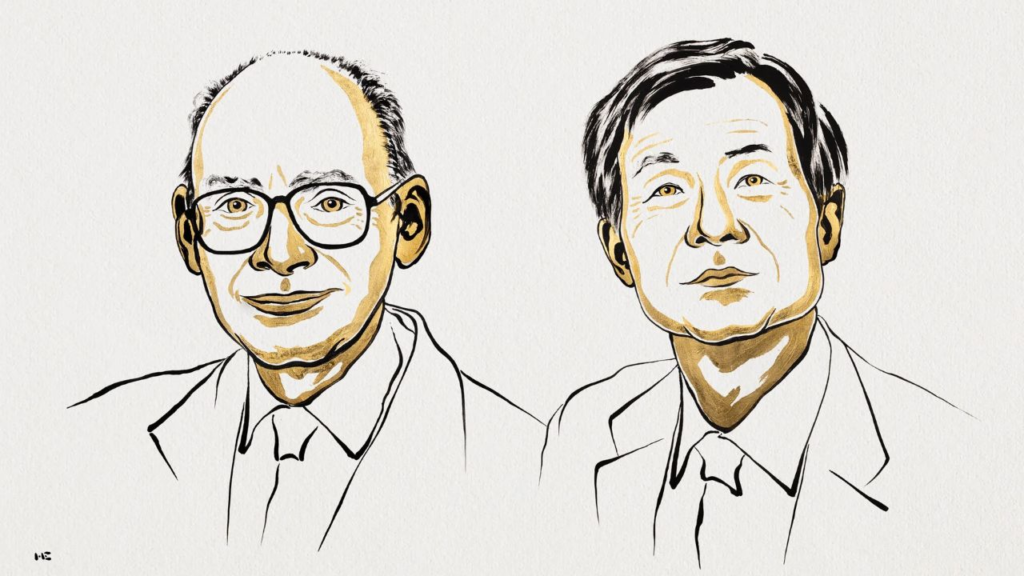
Henri Kagan and Kenso Soai Awarded 2026 Nobel Prize in Chemistry
Scientists Henri Kagan and Kenso Soai have been awarded the 2026 Nobel Prize in Chemistry…
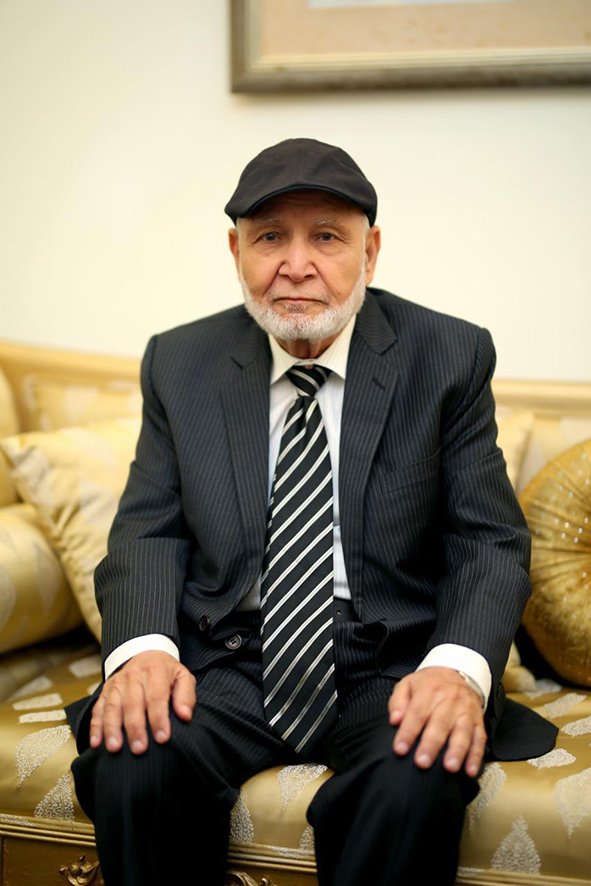
In Memory of Mohammad Akram Sheikh Chairman United Wire Industries
Mohammad Akram Sheikh Chairman United Wire Industries With profound sorrow, we remember Mr. Mohammad Akram…
IEEE Education Society Karachi Section Hosts Dr. Chi-Un Lei Webinar
Rethinking Graduate Education in Age of AI Chair IEEE Education Society, Karachi Section, Prof Dr…
Pakistan Commemorates World Ozone Day 2026 with Renewed Commitment to Protecting the Ozone Layer
Pakistan joined the international community in observing World Ozone Day 2026, reaffirming its commitment to…
Reforming the Governance of Pakistan Engineering Council
Dr. Waheed Bhutto, Pro VC, DUE&T, Karachi The recent developments within the Pakistan Engineering Council…