
WORLD
Scottish and US team calls procedure potential ‘game changer’ that could transform stroke treatment if approved for patient use
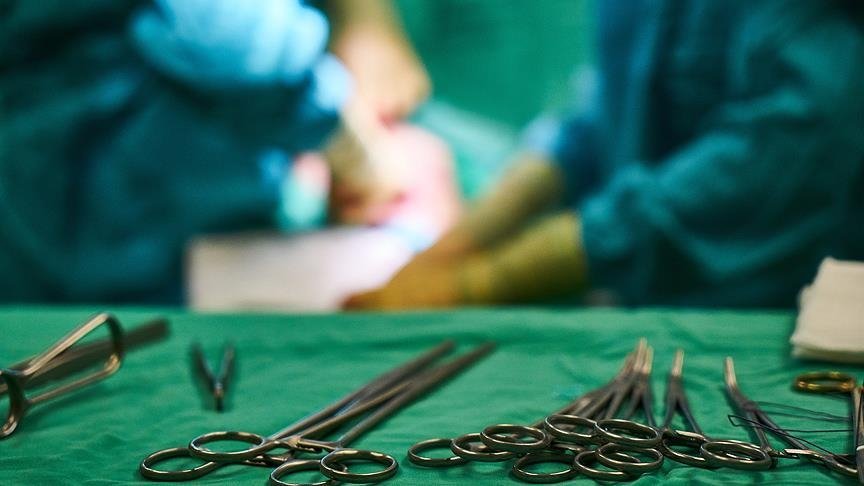
Surgeons from Scotland and the US have successfully performed what is believed to be the world’s first remote stroke operation using robotic technology, BBC reported Monday.
Prof Iris Grunwald of the University of Dundee carried out a remote thrombectomy — the removal of a blood clot after a stroke — on a human cadaver donated to medical science. Grunwald operated from Ninewells Hospital in Dundee, while the body was located across the city at the university.
Hours later, Ricardo Hanel, a neurosurgeon based in Florida, performed the first transatlantic robotic procedure from his Jacksonville office on a human body in Dundee, more than 4,000 miles (6,400 kilometers) away.
The team described the achievement as a potential “game changer” if approved for clinical use, saying it could revolutionize stroke care by allowing specialists to treat patients remotely.
Delays in reaching specialized treatment centers can significantly affect recovery outcomes. Experts said robotic systems could help close that gap, especially in remote or underserved areas.
Prof Grunwald said: “It felt as if we were witnessing the first glimpse of the future. Where previously this was thought to be science fiction, we demonstrated that every step of the procedure can already be done.”
The University of Dundee, a global training center for the World Federation for Interventional Stroke Treatment, is the only institution in the UK where doctors can operate on cadavers with liquid circulating through vessels to mimic human blood flow.
“This was the first time that we could perform the whole mechanical thrombectomy procedure in a real human body to show that all steps of the procedure are possible,” Grunwald said.
Juliet Bouverie, chief executive of the Stroke Association, called the transatlantic operation “a remarkable innovation.”
“For too long, people living in remote and rural areas have been deprived of access to thrombectomy,” she said. “Robotics like this could rebalance the inequity which exists in stroke treatment across the UK.”
Researchers said the success of the trials could pave the way for global adoption of remote stroke care, allowing patients in isolated regions to receive life-saving treatment without traveling long distances. – ERMD
READ MORE

Zong Launches 5G Home Broadband Service in Pakistan
Zong has launched Z HomeFi, a 5G fixed wireless access (FWA) home broadband service, aiming…
BYD Eyes Ultra-Fast EV Charging Technology for Pakistan
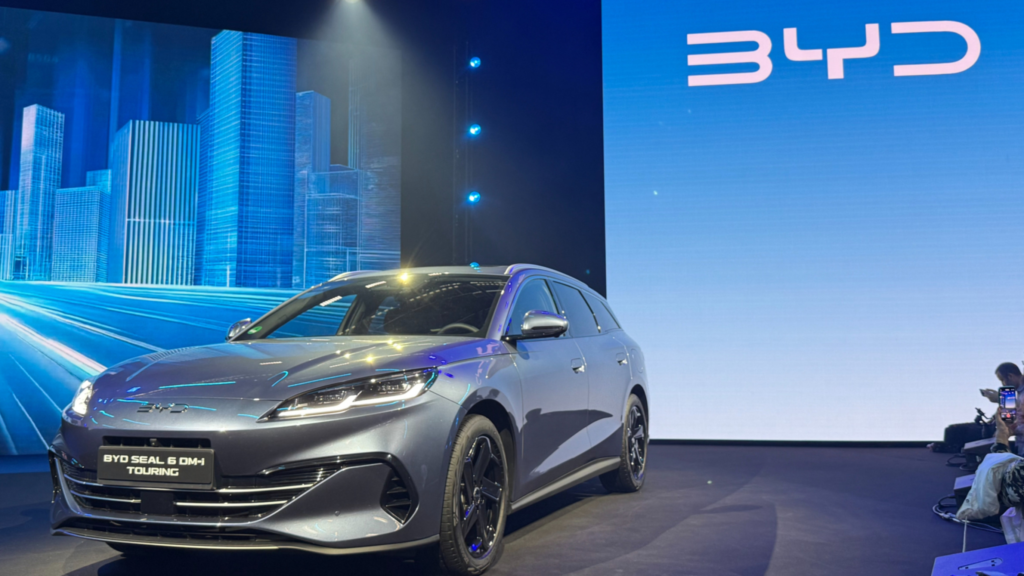
Chinese electric vehicle (EV) manufacturer BYD is in discussions with its Pakistani partner, Mega Motor…

Game-Based Digital Therapies Show Mixed Results in Treating Children with ADHD
Stimulant medications are among the most common treatments for children with attention-deficit/hyperactivity disorder (ADHD), helping…

Henri Kagan and Kenso Soai Awarded 2026 Nobel Prize in Chemistry
Scientists Henri Kagan and Kenso Soai have been awarded the 2026 Nobel Prize in Chemistry…
In Memory of Mohammad Akram Sheikh Chairman United Wire Industries
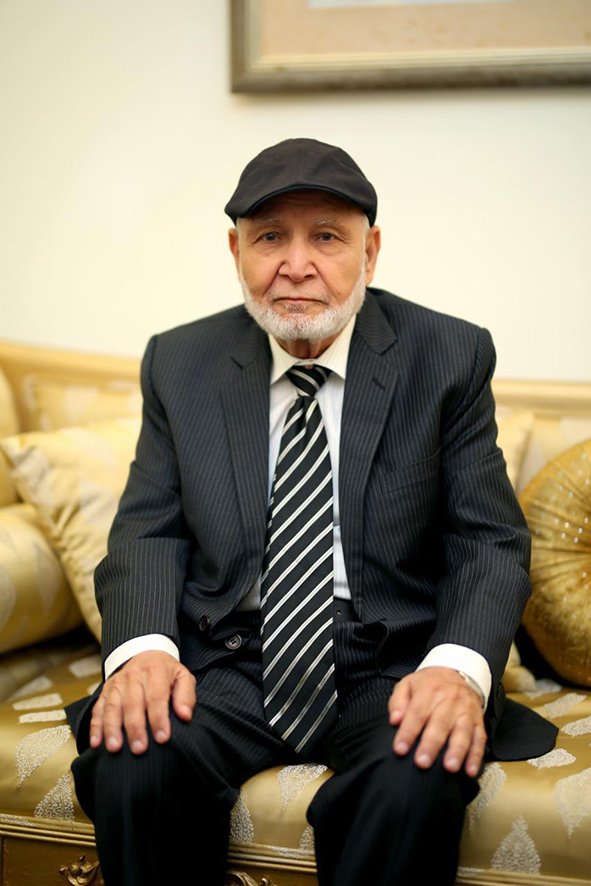
Mohammad Akram Sheikh Chairman United Wire Industries With profound sorrow, we remember Mr. Mohammad Akram…
IEEE Education Society Karachi Section Hosts Dr. Chi-Un Lei Webinar
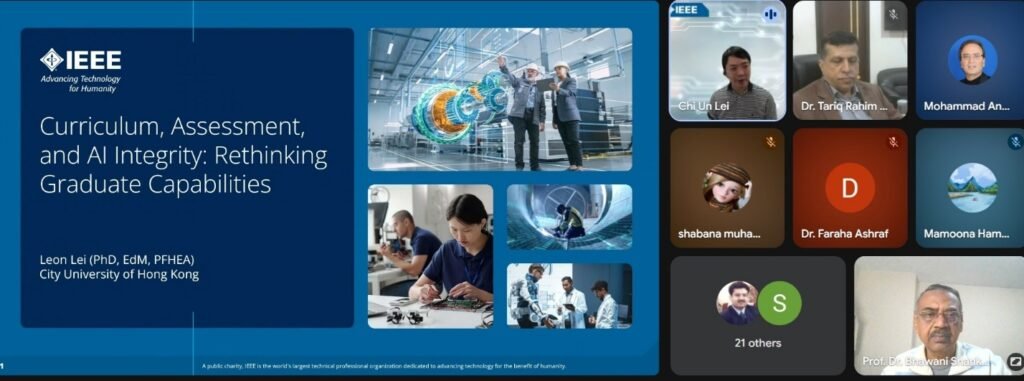
Rethinking Graduate Education in Age of AI Chair IEEE Education Society, Karachi Section, Prof Dr…