
FOOD SECURITY
By Manzoor Shaikh
For now, doomsday scenario such as a full-scale escalation involving a US attack on Kharg Island is set aside for a while. However, even without such escalation, a key question remains: in the current geopolitical environment, where does Pakistan’s food security stand?
So far, amid the US–Israel–Iran tensions, Pakistan has retained a critical advantage; its supply lines remain intact, and essential goods continue to flow into the country. Oil imports, which are vital for agricultural operations, have not been disrupted. Pakistan consumes around 480,000–500,000 barrels of oil per day, of which approximately 400,000 barrels per day are imported, accounting for nearly 80–85 percentage of total demand.
Similarly, Pakistan relies heavily on imported potash (potassium), a key fertilizer input. The country imports around 250,000–300,000 tonnes of potash annually, primarily from global markets routed through Gulf supply chains. Encouragingly, nitrogen-based fertilizers such as urea are largely produced domestically, reducing dependence on external sources for this critical input.
However, Pakistan’s agricultural exports are beginning to feel the strain. Trade with Iran plays a role in regional agricultural flows, particularly for mangoes, kinnow (citrus), rice, and some livestock products. Overall, Pakistan’s agricultural exports exceed US$7–8 billion annually, with major markets including China, United Arab Emirates, Saudi Arabia, and European Union countries. While Iran is not the largest destination, disruptions in regional trade routes and border dynamics could affect specific export segments, particularly from Balochistan and southern Punjab.
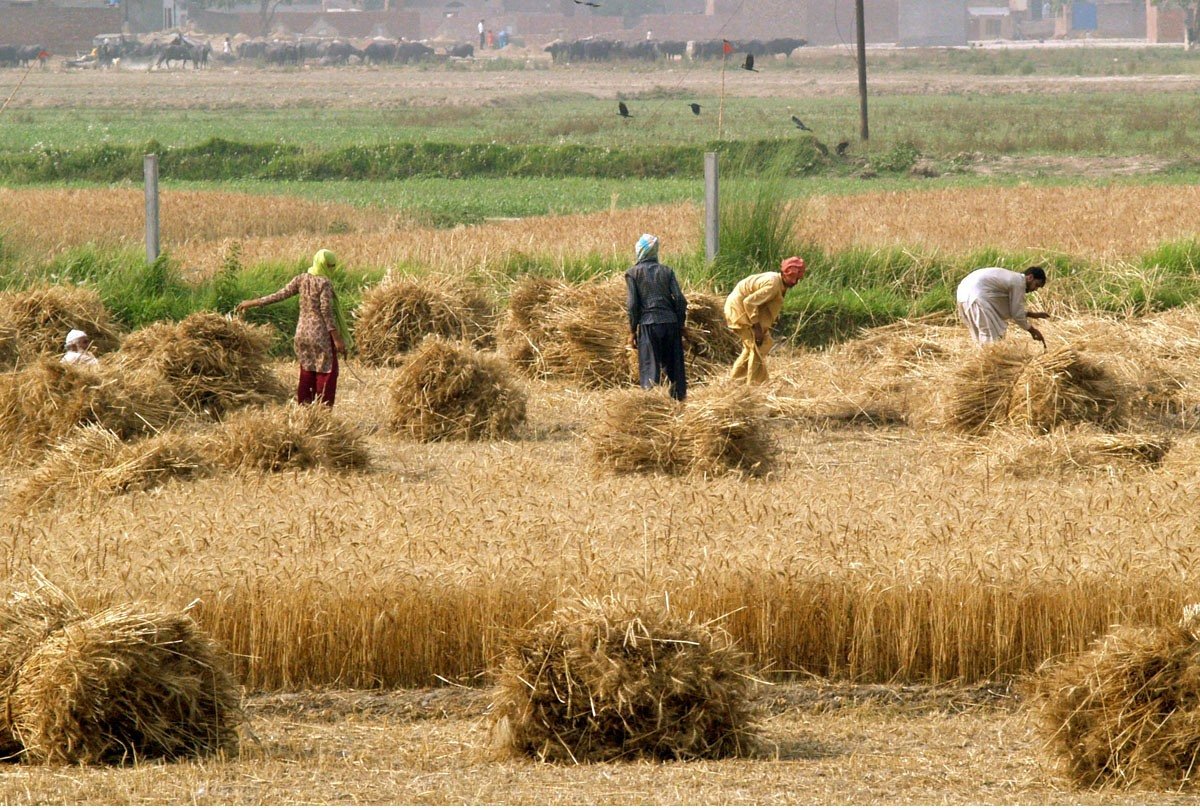
In terms of food security, wheat remains the cornerstone. Pakistan produces approximately 27–28 million tonnes of wheat annually, while domestic consumption stands at around 30 million tonnes, leaving a modest gap that is typically managed through carryover stocks or limited imports. Current crop conditions suggest that availability this year may be better than last year, providing some buffer against external shocks. Pakistan is generally not a major wheat exporter, focusing instead on meeting domestic demand.
Despite months of geopolitical tension, agricultural activities across the country continue largely uninterrupted, and the overall situation remains stable. Pakistan’s geographic advantage as a non-landlocked country allows access to multiple maritime trade routes, although challenges with neighboring Afghanistan persist.
However, if the conflict becomes prolonged, risks could emerge for the upcoming Kharif season. Fertilizer supply chains, fuel costs, and transportation logistics may come under pressure. At present, essential commodities are available in sufficient quantities in domestic markets.
Even so, a paradox persists: while wheat prices remain relatively low, flour prices are high. Two key factors explain this trend—first, rising global oil prices have increased transportation and distribution costs; second, market perceptions driven by uncertainty and geopolitical risk are exerting upward pressure on prices.
READ MORE

Industry 5.0 and Green Engineering: Human-Centric Sustainable Production
INDUSTRY 5.O Industry 5.0 redesigns the production architecture in order to place human beings at…

Navigating the Future of Careers in Pakistan in the AI Era
AI ERA By Prof. Dr. Tariq Rahim Soomro, SMIEEE We rode the wave of freelancing…

US–Israel–Iran War: Where Does Pakistan’s Food Security Stand?
FOOD SECURITY By Manzoor Shaikh For now, doomsday scenario such as a full-scale escalation involving…

A Milestone Achievement in 5G Railway Communication Research
INTERBATIONAL COLLABORATION Mehran University of Engineering & Technology (MUET) proudly announces the successful completion of…

Where does Pakistan stand in unprecedented surge of AI, emerging technologies?
TECHNOLOGY CEO Rastek Technologies, Engr. Rafik Ahmed Lakhani, in a conversation with ER, explained how…
Advancing Energy, Digital Transformation: Schneider Electric Hosts Future Partnership
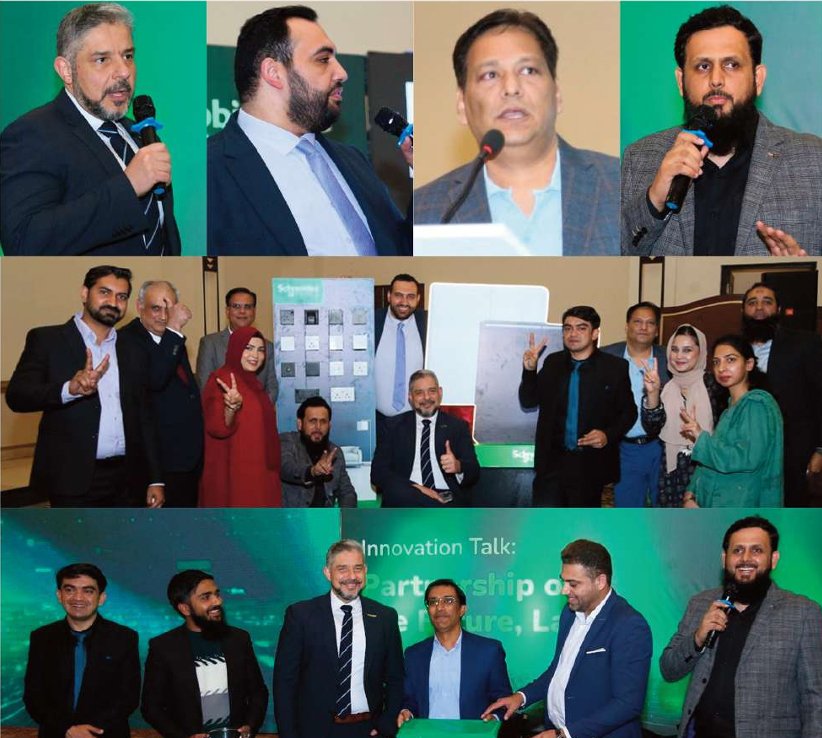
ENERGY Schneider Electric Pakistan hosted Partnership of the Future – Lahore, bringing together contractors, consultants,…
Leave a Reply