
TECHNOLOGY
CEO Rastek Technologies, Engr. Rafik Ahmed Lakhani, in a conversation with ER, explained how Pakistan can progress in this rapidly evolving world and what immediate steps need to be taken.
By Manzoor Shaikh
Human Resource and Skillset
In Pakistan, we face two to three types of challenges. In today’s world, we need to work rapidly—like China does. However, the first major issue is regulatory non-compliance. For example, take any university—they cannot even purchase a 3D printer because of the excessive permissions required. There are so many affidavits needed as if someone is building an atomic bomb. Similarly, drones are freely used at weddings, but they are not available for research purposes. These things are easily available abroad, even in small shops. I had to bring them from outside. These hurdles must be removed.
Secondly, we need to move towards skill-based development. After studying for 5–6 years, the question remains: where will jobs come from? This is a major issue, which is why many people move abroad. Some argue that remittances are beneficial, but in reality, it is a loss for us. People find jobs abroad in fields where they are already skilled because we have not created the right environment here. There is a lack of basic industrial infrastructure, and this issue is not limited to technology alone.
We are working with the government on a program in which the Pakistan Software Export Board is also involved. Under this initiative, we are working on the development of IC chip design. Companies have already been established at NED University of Engineering and Technology by Pakistani professionals, and the results are expected to be positive.
The Thought Process for a Massive Campaign
Yes, the work is happening in Pakistan, but unfortunately, it is slow. Too many protocols delay the process. It needs to be much faster. Today, IC chips are essential for everyone. There is a technological rivalry between China and United States over this domain. A country’s sovereignty is increasingly dependent on it, so Pakistan must move quickly in this area.
Public-Private Partnership
This partnership is evolving. Rastek is an innovation company, and we have been working on chip design for the past 20 years. We are distributors of Siemens and others. AI has now become embedded in everything. We continuously train our engineers, but this is an ongoing process that needs to be accelerated.
In India, for example, Tata Group alone has invested around Rs22,000 crore in fabrication—something we cannot even imagine. If we cannot build fabrication plants, we should at least establish design centers. The government is helping by providing design tools, but they are very expensive.
Industry–Academia Collaboration
Collaboration with academia yields results to some extent. We have also carried out projects with institutions like Usman Institute of Technology and Mehran University of Engineering and Technology, including work on fuel-saving devices and bagasse-based solutions. However, the issue again comes back to regulation. For example, everyone has installed solar systems, but now the government is not purchasing energy, raising concerns about payments to IPPs.
The Role of Professionals
Professionals play their role and push for improvements so that better policies are formed. Institutions like Pakistan Engineering Council and the Pakistan Software Export Board are working in this direction. Along with other fields, work on IC chip development has now started. It is essential, and many organizations are moving in the right direction.
Priority Areas
The government considers IT a priority, but other sectors also need attention. IT alone is not sufficient for the government. While there are no major issues in software and call centers, more focus is needed on design centers. Many graduates are emerging in semiconductors, IC design, and human resource development, and they want to move forward in these areas.
AR, VR, and MR
These technologies are highly significant for training. They are cost-effective and deliver promising results. They allow users to immerse themselves within processes. Whether it is an engine or an IC, everything can be visualized in front of you, providing a broader and clearer understanding. Universities should adopt these technologies, as they are now essential. The era of teaching only through blackboards is over.
However, the level of investment required in universities for these technologies is still insufficient. Universities should introduce short courses and make these technologies accessible to people from all fields. A massive campaign is needed to make them mainstream.
We need to move faster in all critical areas. Public sector universities should take the lead so that the private sector can follow. Investment in both hardware and software is essential. Students may begin with gaming, but they will eventually learn and transition to simulation, which is a vast field. We must accelerate our efforts and develop capabilities locally. Many companies are already working in different domains, but much more needs to be done.
READ MORE
40 Major Media Groups Join Coalition to Protect Journalism from AI Copyright Violations
Forty major media organisations, including The New York Times, The Economist and Agence France-Presse (AFP),…
Zong Launches 5G Home Broadband Service in Pakistan
Zong has launched Z HomeFi, a 5G fixed wireless access (FWA) home broadband service, aiming…
BYD Eyes Ultra-Fast EV Charging Technology for Pakistan
Chinese electric vehicle (EV) manufacturer BYD is in discussions with its Pakistani partner, Mega Motor…
Game-Based Digital Therapies Show Mixed Results in Treating Children with ADHD
Stimulant medications are among the most common treatments for children with attention-deficit/hyperactivity disorder (ADHD), helping…
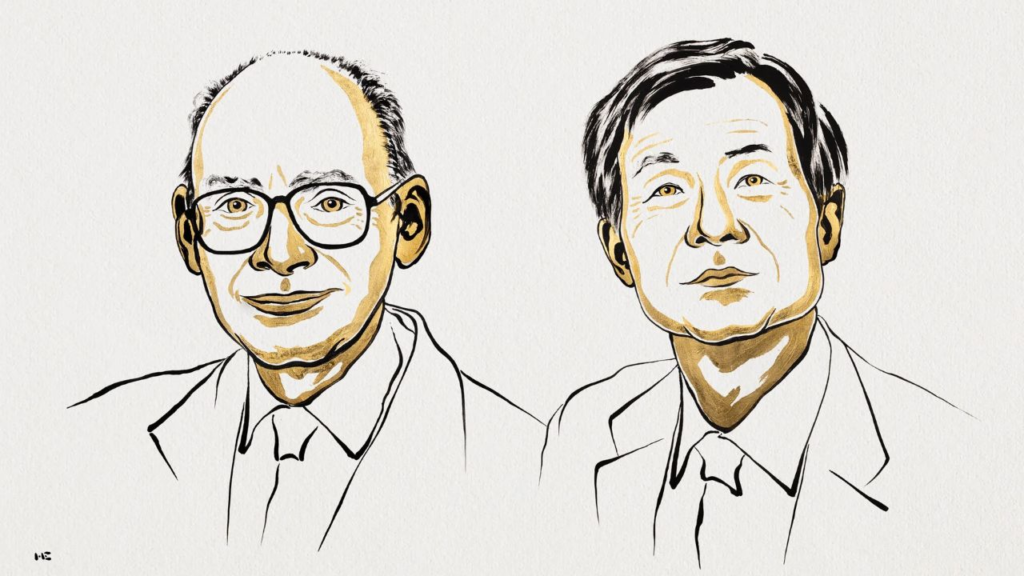
Henri Kagan and Kenso Soai Awarded 2026 Nobel Prize in Chemistry
Scientists Henri Kagan and Kenso Soai have been awarded the 2026 Nobel Prize in Chemistry…
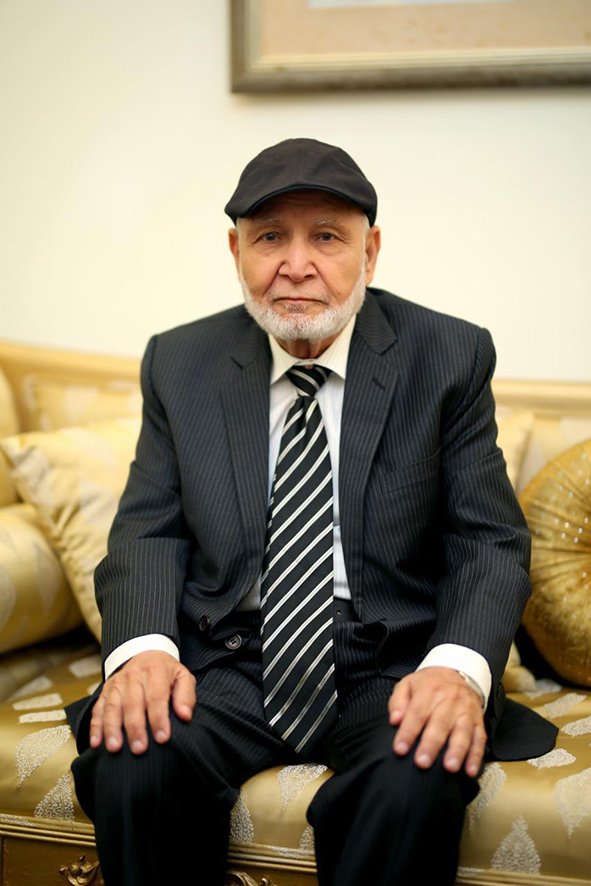
In Memory of Mohammad Akram Sheikh Chairman United Wire Industries
Mohammad Akram Sheikh Chairman United Wire Industries With profound sorrow, we remember Mr. Mohammad Akram…