

INDUSTRY 5.O
Industry 5.0 redesigns the production architecture in order to place human beings at the center of highly technological operations, producing a synthesis of human creativity and intelligent automation. In contrast to Industry 4.0, which focused on efficiency and digitization, Industry 5.0 is focused on purpose-driven production, in which sustainability, resilience, and human well-being become priorities. Green engineering will be the working prototype of this paradigm, whereby all production phases must be in line with ecological balance and remain economically feasible.
Human-centric design and green engineering merge to bring about a radical change in the conceptualization of industrial systems. Production does not only remain an activity of maximizing output but rather becomes an adaptive ecosystem in which human understanding works together with machine intelligence to reduce energy degradation. Designing efficient systems is no longer sufficient; engineers are now expected to design systems that are regenerative. Hence, sustainability must be integrated into the product lifecycle, which includes the extraction of raw materials and the disposal process. Sustainable production that is human-centered includes emotional intelligence, ethical reasoning, and tacit knowledge in industrial processes. Collaborative robots (cobots) are not a substitute but rather an addition to workers and allow them to be safer, more efficient, and more environmentally responsible. This solution minimizes the wastage of resources and energy usage, as it utilizes human intuition to aid in decision-making that cannot be optimally performed by machines alone.
Green engineering in Industry 5.0 goes beyond environmental requirements and promotes advancement in material science, energy systems, and process optimization. Circular production methods, bio-based materials, and the integration of renewable energy are all part of its operating components. Such innovations allow industries to move away from the linear “take-make-dispose” model toward the concept of a circular ecosystem in which waste is eliminated. Predictive sustainability is made possible through the role of digital twins and AI-based simulations in Industry 5.0. Through real-time modeling of environmental impacts, organizations are able to pre-design processes that minimize carbon footprints and resource inefficiencies. This proactive perspective makes sustainability an active compliance role rather than a reactive one, thereby turning it into a competitive advantage.
Human-centricity also transforms labor relations by providing meaningful work environments where skills, creativity, and well-being are prioritized. Employees become co-producers of sustainable production systems as they present ideas that improve productivity and environmental stewardship. This participatory model enhances organizational commitment and aligns individual values with overall sustainability objectives.
Industry 5.0 makes it possible to achieve hyper-personalized production without affecting environmental sustainability. Companies can create tailor-made products with minimal material consumption through advanced manufacturing technologies such as additive manufacturing. This balance between personalization and sustainability challenges the classical trade-off between variety and efficiency. Industry 5.0 promotes closed-loop supply chains through green engineering principles. The recycling, reuse, and repurposing of materials significantly reduce reliance on virgin resources. Supply chains become transparent and traceable, enabling organizations to track environmental impacts throughout the value chain. Industry 5.0 is also characterized by the integration of renewable energy systems into production processes. Smart grids, decentralized energy systems, and energy storage solutions enable industries to operate with lower carbon emissions. These systems are efficiently managed with human supervision to respond to changing energy needs and environmental conditions.
Resilience is one of the critical aspects of Industry 5.0, and green engineering helps create systems that can withstand environmental, economic, and social disruptions. Sustainable production systems are designed to be dynamic, ensuring continuity while minimizing ecological impact during crises. In Industry 5.0, ethical considerations come to the forefront, especially in balancing technological progress with environmental sustainability. Green engineering systems integrate ethical decision-making frameworks that guide the development and implementation of technologies so that innovation does not harm ecological or social well-being. Industry 5.0 can also pave the way for sustainable production through the collaboration of biotechnology and engineering. Bio-manufacturing processes utilize living organisms to generate materials and energy, significantly reducing environmental impact. Such a multidisciplinary approach exemplifies the innovative potential of combining human expertise with nature.
The development of Industry 5.0 largely depends on education and skill development. Engineers and managers will need interdisciplinary skills that combine sustainability, technology, and human-centered design. This shift requires restructuring academic programs to produce a workforce driven by green innovation. The widespread adoption of Industry 5.0 practices also requires policy frameworks and institutional support. Governments and institutions must collaborate to incentivize sustainable production, invest in green technologies, and establish standards that promote environmental responsibility and innovation.
Research on Industry 5.0 and green engineering can lead to the development of a unified production model that addresses economic development, environmental sustainability, and human well-being. This paradigm represents not only a technological shift but also a philosophical transformation toward a more inclusive, ethical, and sustainable industrial future in which humans and machines co-create value in harmony with the planet.
READ MORE

Zong Launches 5G Home Broadband Service in Pakistan
Zong has launched Z HomeFi, a 5G fixed wireless access (FWA) home broadband service, aiming…
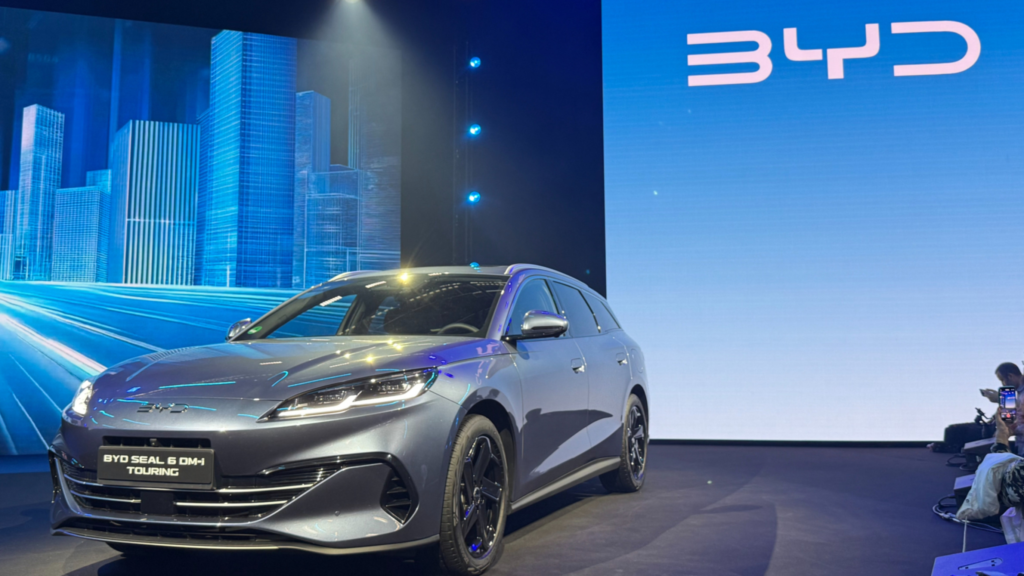
BYD Eyes Ultra-Fast EV Charging Technology for Pakistan
Chinese electric vehicle (EV) manufacturer BYD is in discussions with its Pakistani partner, Mega Motor…
Game-Based Digital Therapies Show Mixed Results in Treating Children with ADHD
Stimulant medications are among the most common treatments for children with attention-deficit/hyperactivity disorder (ADHD), helping…
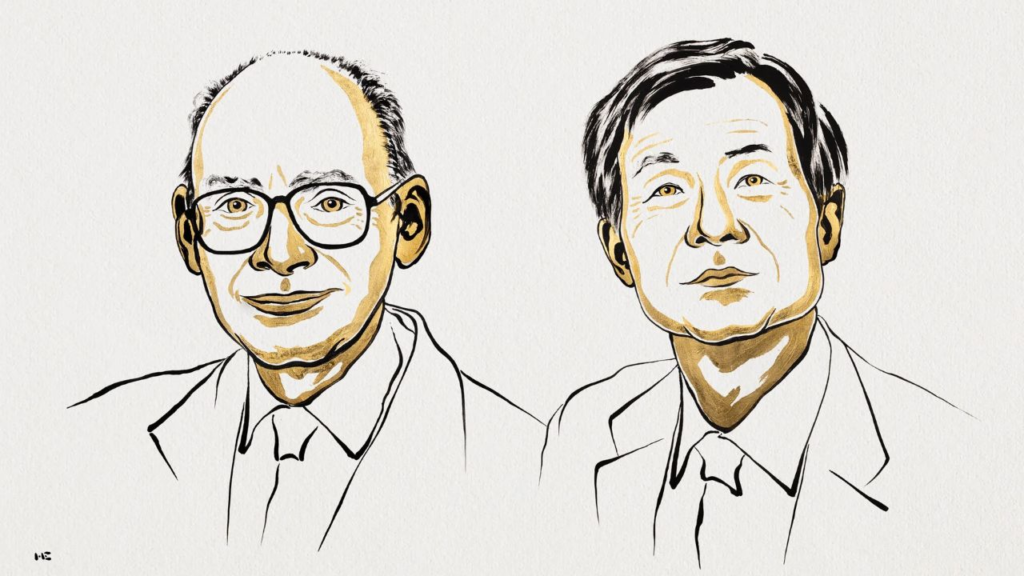
Henri Kagan and Kenso Soai Awarded 2026 Nobel Prize in Chemistry
Scientists Henri Kagan and Kenso Soai have been awarded the 2026 Nobel Prize in Chemistry…

In Memory of Mohammad Akram Sheikh Chairman United Wire Industries
Mohammad Akram Sheikh Chairman United Wire Industries With profound sorrow, we remember Mr. Mohammad Akram…
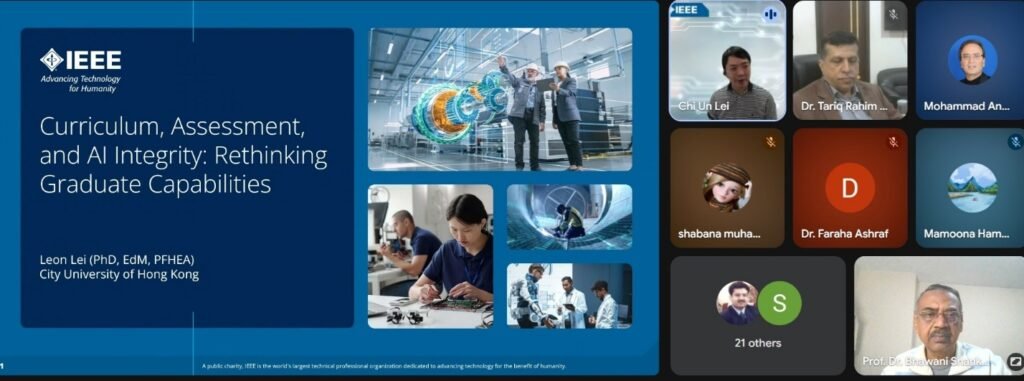
IEEE Education Society Karachi Section Hosts Dr. Chi-Un Lei Webinar
Rethinking Graduate Education in Age of AI Chair IEEE Education Society, Karachi Section, Prof Dr…