
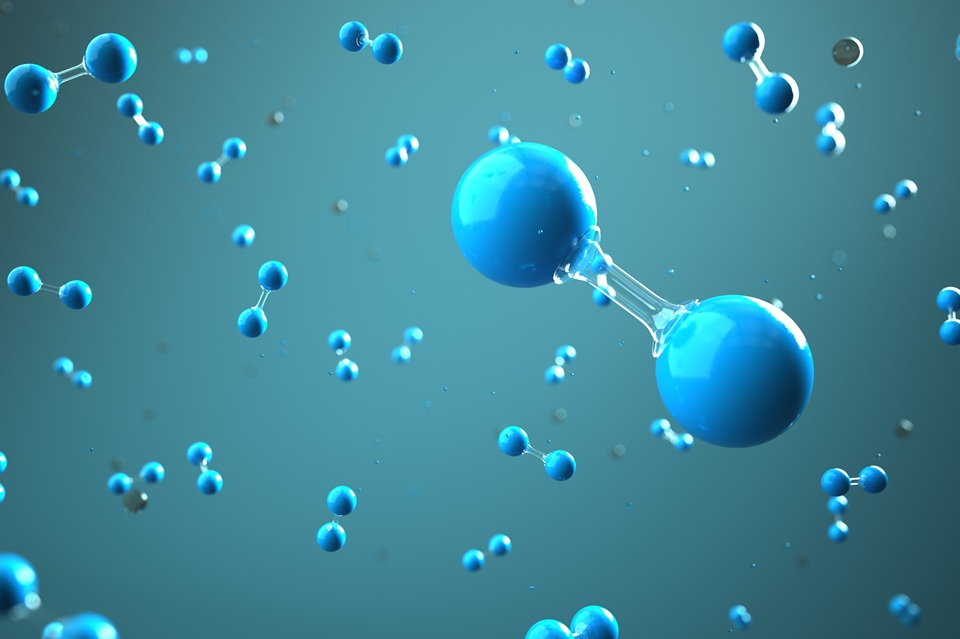
Scientists at Keele University have developed a new type of electrolyzer that can produce both green hydrogen and key materials for sustainable plastics, potentially reducing the cost and environmental impact of producing the two products.
Electrolyzers typically use electricity to split water into hydrogen and oxygen. When powered by renewable energy, the hydrogen produced is known as green hydrogen and can be used to help reduce carbon emissions in industries that are difficult to decarbonize.
The new system, developed by Dr. Charlie Creissen and Ph.D. student Lewis Cousins, uses renewable electricity and molecules derived from food waste to produce hydrogen alongside high-value chemical building blocks for sustainable plastics.
A key difference is that the electrolyzer does not produce oxygen as part of its main reaction. Conventional water-splitting electrolyzers require membranes to keep hydrogen and oxygen separated, but these components can be expensive and unstable. By eliminating the membrane, the Keele researchers say their system can operate at lower electricity requirements while maintaining industrially relevant reaction rates.
The use of food-waste-derived materials also means the process can produce alternatives to petrochemical-based ingredients used in plastic manufacturing, potentially helping reduce the environmental impact of conventional plastics.
The research, published in ACS Electrochemistry, could provide a new approach to combining clean hydrogen production with the manufacture of sustainable materials.
“This research is a significant step toward fossil-free plastic production using renewable electricity,” Creissen said, adding that membrane-free electrolyzers could reduce costs while improving access to green hydrogen and sustainable materials.
Cousins said the research demonstrates the importance of electrolyzer design in improving performance and could encourage further development in sustainable engineering.New Electrolyzer Produces Green Hydrogen and Sustainable Plastic Materials
Scientists at Keele University have developed a new type of electrolyzer that can produce both green hydrogen and key materials for sustainable plastics, potentially reducing the cost and environmental impact of producing the two products.
Electrolyzers typically use electricity to split water into hydrogen and oxygen. When powered by renewable energy, the hydrogen produced is known as green hydrogen and can be used to help reduce carbon emissions in industries that are difficult to decarbonize.
The new system, developed by Dr. Charlie Creissen and Ph.D. student Lewis Cousins, uses renewable electricity and molecules derived from food waste to produce hydrogen alongside high-value chemical building blocks for sustainable plastics.
A key difference is that the electrolyzer does not produce oxygen as part of its main reaction. Conventional water-splitting electrolyzers require membranes to keep hydrogen and oxygen separated, but these components can be expensive and unstable. By eliminating the membrane, the Keele researchers say their system can operate at lower electricity requirements while maintaining industrially relevant reaction rates.
The use of food-waste-derived materials also means the process can produce alternatives to petrochemical-based ingredients used in plastic manufacturing, potentially helping reduce the environmental impact of conventional plastics.
The research, published in ACS Electrochemistry, could provide a new approach to combining clean hydrogen production with the manufacture of sustainable materials.
“This research is a significant step toward fossil-free plastic production using renewable electricity,” Creissen said, adding that membrane-free electrolyzers could reduce costs while improving access to green hydrogen and sustainable materials.
Cousins said the research demonstrates the importance of electrolyzer design in improving performance and could encourage further development in sustainable engineering.-ERMD/TX
READ MORE
Zong Launches 5G Home Broadband Service in Pakistan
Zong has launched Z HomeFi, a 5G fixed wireless access (FWA) home broadband service, aiming…
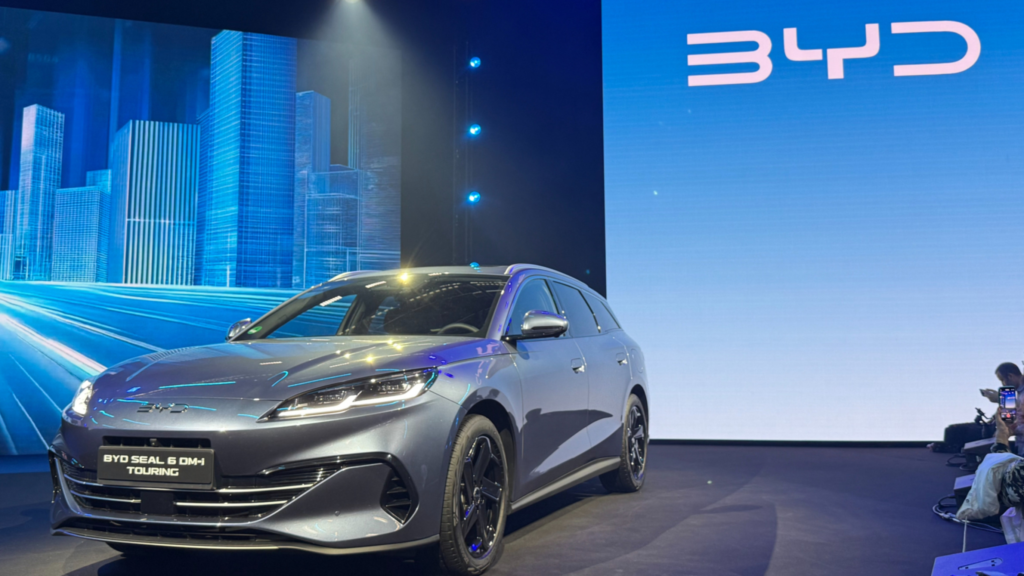
BYD Eyes Ultra-Fast EV Charging Technology for Pakistan
Chinese electric vehicle (EV) manufacturer BYD is in discussions with its Pakistani partner, Mega Motor…

Game-Based Digital Therapies Show Mixed Results in Treating Children with ADHD
Stimulant medications are among the most common treatments for children with attention-deficit/hyperactivity disorder (ADHD), helping…

Henri Kagan and Kenso Soai Awarded 2026 Nobel Prize in Chemistry
Scientists Henri Kagan and Kenso Soai have been awarded the 2026 Nobel Prize in Chemistry…

In Memory of Mohammad Akram Sheikh Chairman United Wire Industries
Mohammad Akram Sheikh Chairman United Wire Industries With profound sorrow, we remember Mr. Mohammad Akram…
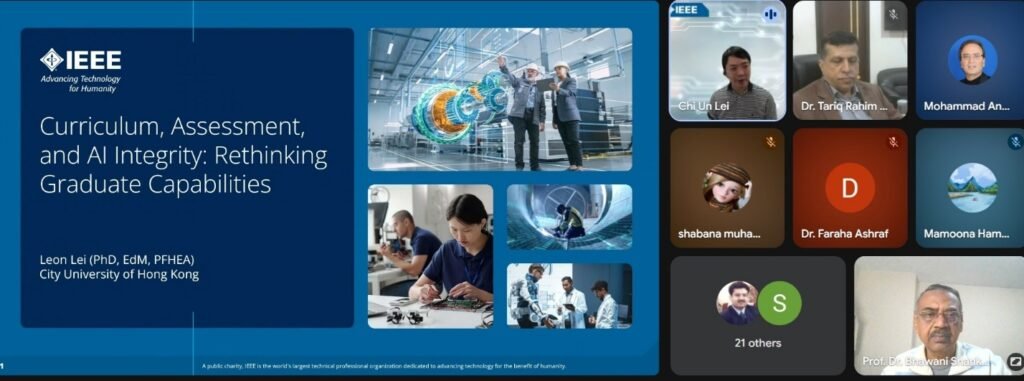
IEEE Education Society Karachi Section Hosts Dr. Chi-Un Lei Webinar
Rethinking Graduate Education in Age of AI Chair IEEE Education Society, Karachi Section, Prof Dr…