
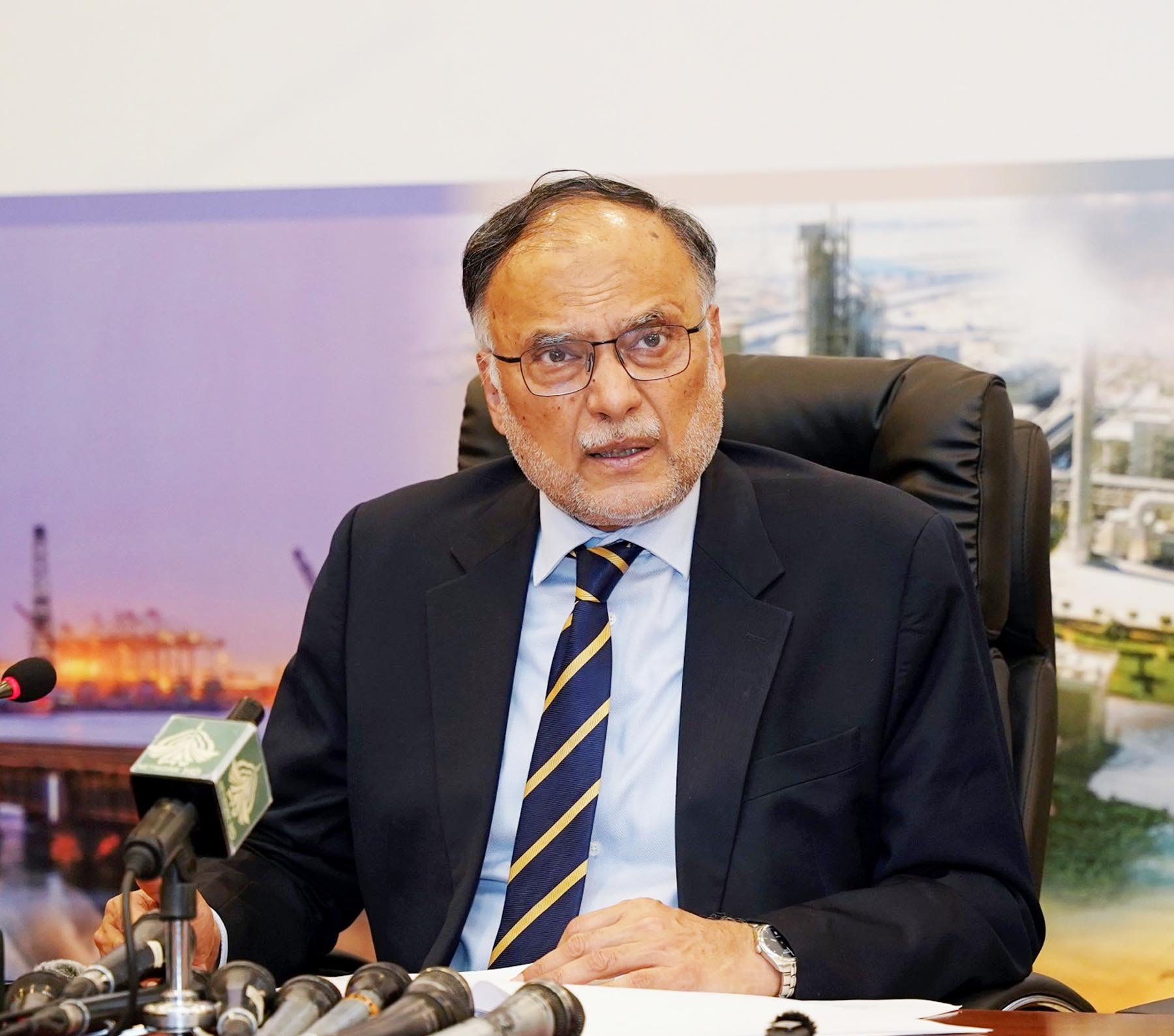
Federal Minister for Planning, Development and Special Initiatives Ahsan Iqbal on Tuesday said Pakistan’s economy remained on a path of recovery in FY2025-26 despite global and regional challenges, while unveiling the Ministry’s Monthly Development Update for June 2026.
Addressing a media briefing, the minister said the country’s GDP growth was projected at 3.7% for FY2025-26, slightly below the government’s initial target of over 4% due to geopolitical tensions in the Middle East, rising oil prices and supply chain disruptions. However, he described it as Pakistan’s strongest economic growth in four years.
Ahsan Iqbal said agriculture grew by 2.9%, industry by 3.5% and the services sector by 4.1%, while large-scale manufacturing rebounded 6.4% after contracting 1.5% last year. He added that inflation averaged 6.7% during July-May despite renewed pressure from higher global energy and freight costs.
The minister said workers’ remittances rose 9.2% to US$38.1 billion during the first 11 months of the fiscal year, with May recording a record monthly inflow of US$4.3 billion. Services exports, led by the IT sector, increased 17.4%, helping keep the current account in surplus. Meanwhile, Federal Board of Revenue collections climbed 9.7% to Rs11.2 trillion.
Looking ahead, he said the National Economic Council had approved a 4% GDP growth target for FY2026-27 and a national development outlay of Rs3.675 trillion, including a Rs1 trillion Federal Public Sector Development Programme (PSDP) focused on infrastructure, social development, science and technology, and special regions.
Ahsan Iqbal announced that work would begin in the new fiscal year on the Karachi-Hyderabad M-9 expansion, the Sukkur-Hyderabad-Karachi M-6 Motorway, the Chaman-Quetta-Karachi Highway and the Rohri section of the ML-1 railway project under CPEC. He also unveiled plans for the Karakoram Highway-II project and the establishment of a Quantum Valley in Islamabad to promote advanced technologies and innovation.
The minister said the government would declare the social sector a national development emergency, prioritising child nutrition, healthcare, education and the elimination of Hepatitis C over the next three to four years.
He also announced comprehensive reforms in higher education, including a review of university curricula and a seven-point performance audit to align academic programmes with future labour market needs.
Reaffirming the government’s commitment to economic reforms, Ahsan Iqbal said Pakistan’s long-term priorities include boosting exports, strengthening human capital, promoting women’s economic empowerment and accelerating development under the second phase of the China-Pakistan Economic Corridor (CPEC), with Balochistan playing a central role in regional connectivity and economic growth.-ERMD
READ MORE

40 Major Media Groups Join Coalition to Protect Journalism from AI Copyright Violations
Forty major media organisations, including The New York Times, The Economist and Agence France-Presse (AFP),…
Zong Launches 5G Home Broadband Service in Pakistan
Zong has launched Z HomeFi, a 5G fixed wireless access (FWA) home broadband service, aiming…

BYD Eyes Ultra-Fast EV Charging Technology for Pakistan
Chinese electric vehicle (EV) manufacturer BYD is in discussions with its Pakistani partner, Mega Motor…

Game-Based Digital Therapies Show Mixed Results in Treating Children with ADHD
Stimulant medications are among the most common treatments for children with attention-deficit/hyperactivity disorder (ADHD), helping…
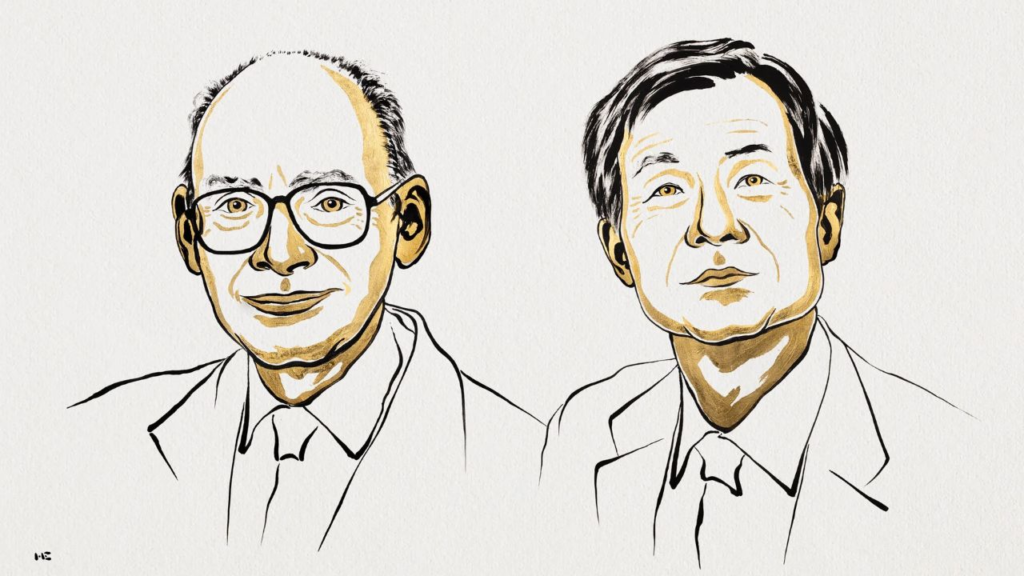
Henri Kagan and Kenso Soai Awarded 2026 Nobel Prize in Chemistry
Scientists Henri Kagan and Kenso Soai have been awarded the 2026 Nobel Prize in Chemistry…
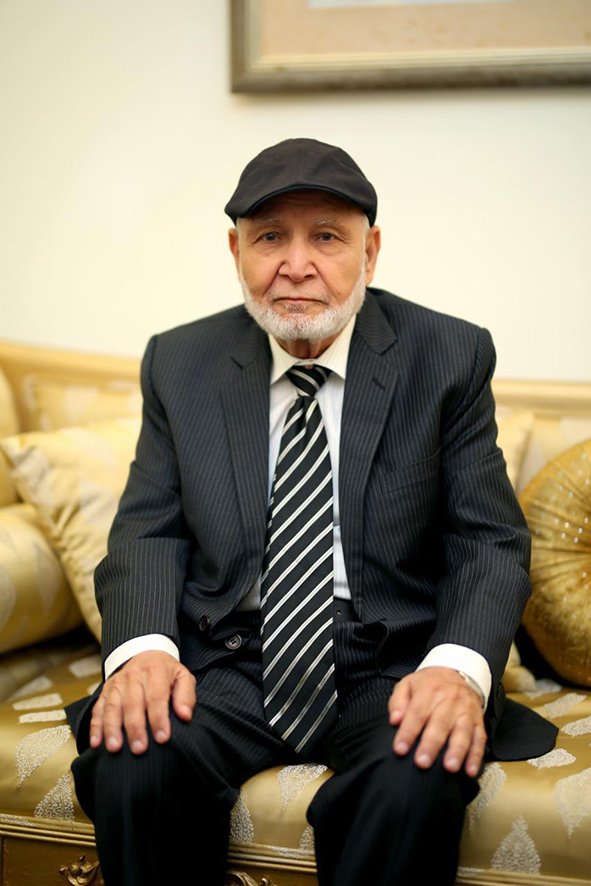
In Memory of Mohammad Akram Sheikh Chairman United Wire Industries
Mohammad Akram Sheikh Chairman United Wire Industries With profound sorrow, we remember Mr. Mohammad Akram…