
PAKISTAN – 10 ECO Ministerial Meeting
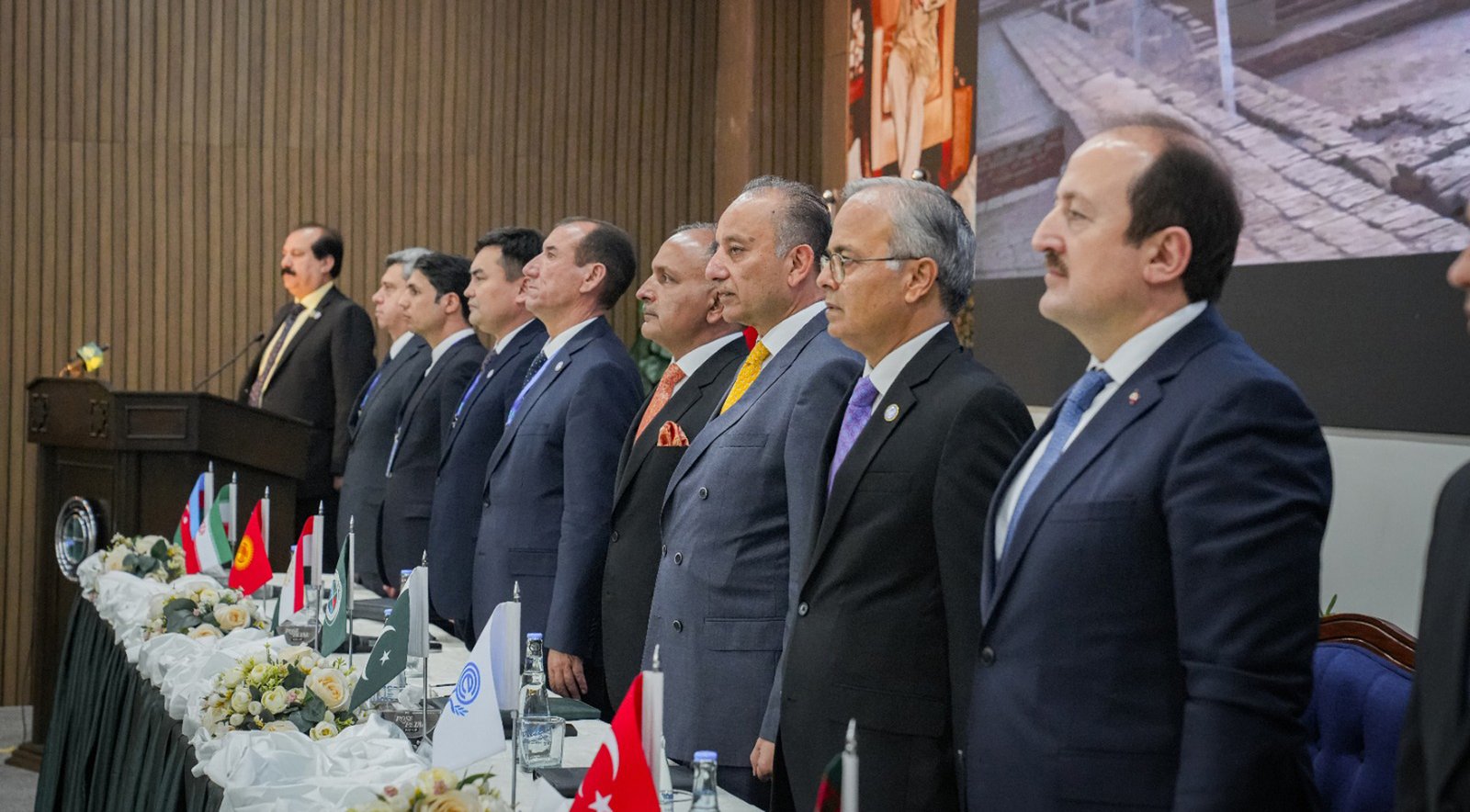
The 10th Ministerial Meeting of the Economic Cooperation Organization (ECO) on Disaster Risk Reduction (DRR) concluded in Islamabad on Wednesday with the adoption of the Islamabad Declaration on Disaster Risk Reduction, reaffirming the collective resolve of ECO Member States to enhance regional cooperation, disaster resilience, and coordinated action against natural hazards.
Held from January 21–22, 2026, the two-day meeting was hosted by Pakistan’s National Disaster Management Authority (NDMA) on behalf of the Government of Pakistan. It brought together ministers, heads of delegations, and senior officials from ECO Member States, alongside representatives of regional and international organizations. Chairman NDMA Lt Gen Inam Haider Malik chaired the sessions, while Federal Minister for Climate Change and Environment Coordination Dr. Musadiq Malik attended the closing ceremony as chief guest.
The meeting reviewed outcomes of the High-Level Working Group and endorsed key decisions aligned with the Izmir Treaty, ECO Vision 2025, and the Sendai Framework for Disaster Risk Reduction. The Islamabad Declaration 2025 emphasized strengthening disaster preparedness, risk governance, early warning systems, and institutional coordination across the ECO region.
Delegates from Azerbaijan, Kyrgyz Republic, Tajikistan, Türkiye, and Uzbekistan highlighted growing climate-induced risks and stressed the need for harmonized regional frameworks, joint training, simulation exercises, and real-time seismic data sharing. Türkiye’s offer to establish a Regional Seismic Data Centre was welcomed.
A key outcome was Pakistan’s offer to utilize NDMA’s National Emergencies Operation Center (NEOC) as an ECO hub for disaster risk reduction planning, joint simulations, and shared analytical products. Member States agreed to consider NEOC-based models as scalable regional frameworks.
The meeting also endorsed initiatives including land hazard zonation mapping, improved risk communication, enhanced search and rescue coordination, and diversified financial and material support. Collaboration with partners such as UNESCAP, APDIM, and UNICEF was strengthened, including endorsement of a new two-year work plan with UNICEF Tajikistan.
Addressing the closing session, Dr. Musadiq Malik said climate-induced disasters are a present reality, underscoring the need for inclusive, science-based and people-centered regional action. Lt Gen Inam Haider Malik said the Islamabad Declaration represents a shared commitment to safeguarding communities across the ECO region through cooperation and preparedness.
ECO delegates appreciated Pakistan’s hospitality and reaffirmed their commitment to translating regional commitments into concrete action. – ER News Desk
READ MORE

Sindh Expands Mobile Healthcare Services Across 17 Districts
The Sindh government is working to improve the efficiency of its mobile health unit system…

Pakistan, World Bank Group Agree to Accelerate Reforms and Investment-Led Growth
Federal Minister for Economic Affairs Ahad Khan Cheema met World Bank Group (WBG) President Ajay…

ECNEC Approves 11 Development Projects in Energy, Infrastructure, Healthcare, Technology
The Executive Committee of the National Economic Council (ECNEC), chaired by Deputy Prime Minister and…

Pakistan, EU Explore Cooperation in Electric Vehicle Skills Development
Advisor to the Prime Minister for Industries and Production Haroon Akhtar Khan has directed the…

NUST Honours 66 PhD Scholars and 54 Medal-Winning Undergraduates at Convocation
Federal Minister for Planning, Development and Special Initiatives Ahsan Iqbal has urged graduates of the…
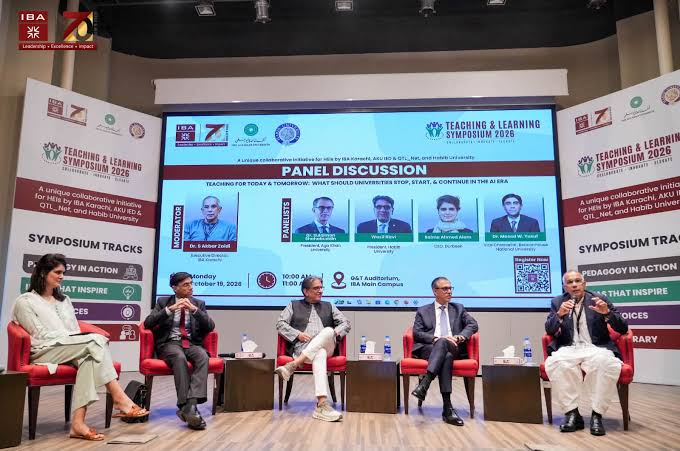
IBA, AKU and Habib University Join Hands to Rethink Education in the AI Era
The Institute of Business Administration (IBA) Karachi, in collaboration with Aga Khan University (AKU) and…