
Burhani AQMS is using AI-enabled manufacturing, energy-efficient cold-forming technology, and internationally certified quality systems to strengthen Pakistan’s industrial capabilities and compete in global export markets.
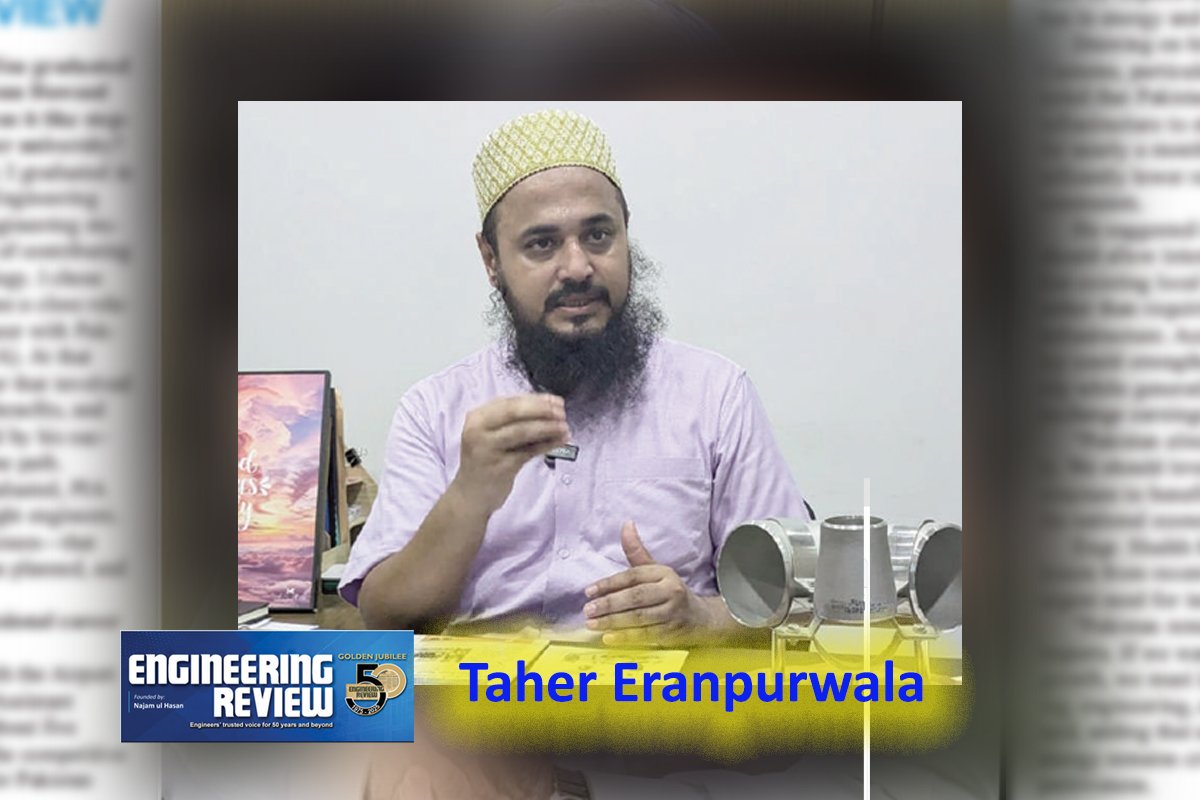
Engineering Review: Could you tell us about Burhani AQMS? When did you establish the company, and what was the engineering landscape like at that time? Today, we are in the age of AI and advanced technologies. What differences do you see between then and now?
Tahir Eranpurwala: We conceived Burhani AQMS in 2021, and shortly afterward we imported our manufacturing machinery. We had already been working on the project for about a year before that. From the beginning, our focus was on adopting advanced manufacturing technologies.
At that time, there were mainly two manufacturing methods: cold forming and hot forming. Hot forming consumes a significant amount of electricity and also creates more pollution. Cold forming, on the other hand, was relatively new and involved a slightly higher production cost. However, it is much more environmentally friendly and uses considerably less energy. We believed that investing in this technology would benefit not only our business but also the environment.
Today, AI has transformed manufacturing. It is no longer limited to computers. The machines we use for cold forming now come with AI-enabled chips that do much more than reduce material waste. They monitor production efficiency, identify bottlenecks, and generate reports showing where improvements can be made. Previously, many of these tasks had to be performed manually, but now cameras and integrated data systems allow the machines to automate the process and optimize production.
ER: By adopting the latest technology while also focusing on environmental sustainability, you’ve created clear benefits for the local industry. Did you also plan to expand into export markets?
TE: Yes, exports have always been part of our vision. As I mentioned earlier, if the Government of Pakistan provides a more conducive business environment, our products have strong export potential. In fact, we have already exported a sample batch to the United States, where we received very positive feedback.
From day one, our goal has been to manufacture products that comply with international standards, particularly ASTM standards. We are very careful about sourcing our raw materials. Every batch comes with Material Test Certificates (MTCs), and we maintain complete traceability from raw material to the finished product.
Our production processes are comparable to those used in countries such as Germany and China, giving customers confidence that the products they receive meet the promised specifications. We also operate under an ISO 9001-certified quality management system, ensuring comprehensive documentation and quality control throughout our manufacturing process.
REA MORE

Sindh Expands Mobile Healthcare Services Across 17 Districts
The Sindh government is working to improve the efficiency of its mobile health unit system…
Pakistan, World Bank Group Agree to Accelerate Reforms and Investment-Led Growth
Federal Minister for Economic Affairs Ahad Khan Cheema met World Bank Group (WBG) President Ajay…
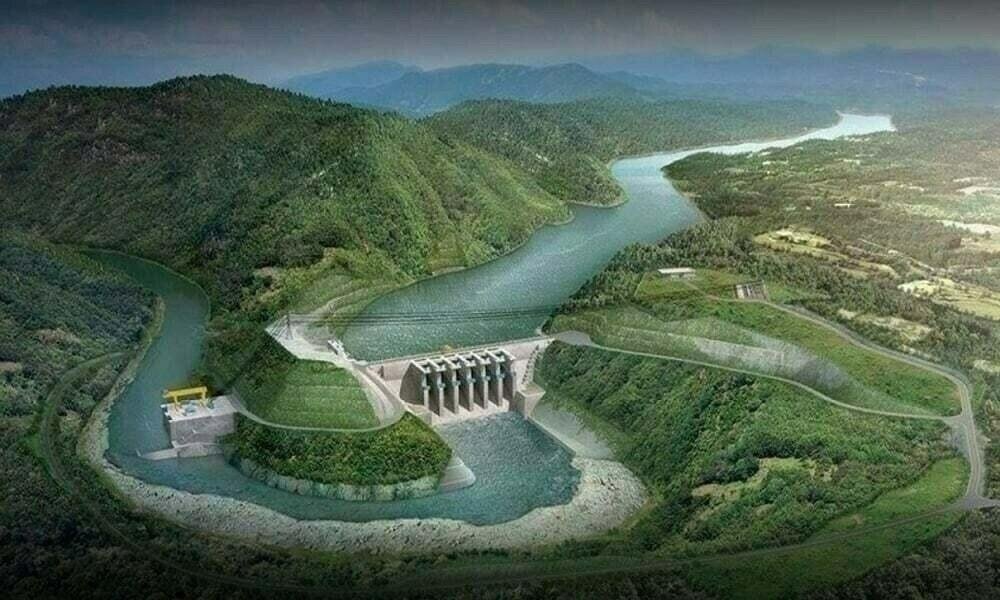
ECNEC Approves 11 Development Projects in Energy, Infrastructure, Healthcare, Technology
The Executive Committee of the National Economic Council (ECNEC), chaired by Deputy Prime Minister and…
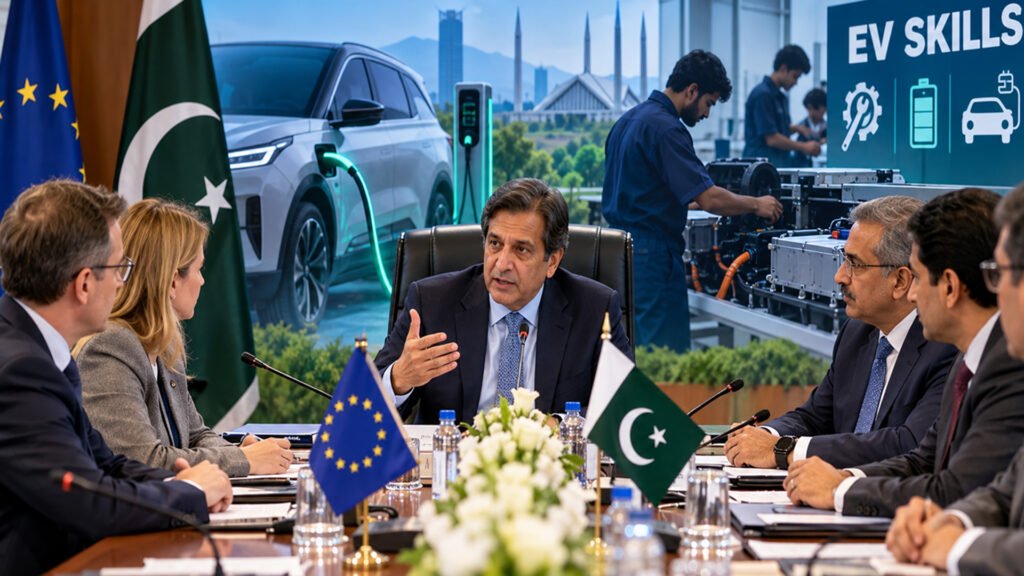
Pakistan, EU Explore Cooperation in Electric Vehicle Skills Development
Advisor to the Prime Minister for Industries and Production Haroon Akhtar Khan has directed the…
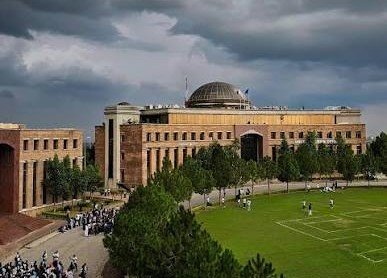
NUST Honours 66 PhD Scholars and 54 Medal-Winning Undergraduates at Convocation
Federal Minister for Planning, Development and Special Initiatives Ahsan Iqbal has urged graduates of the…
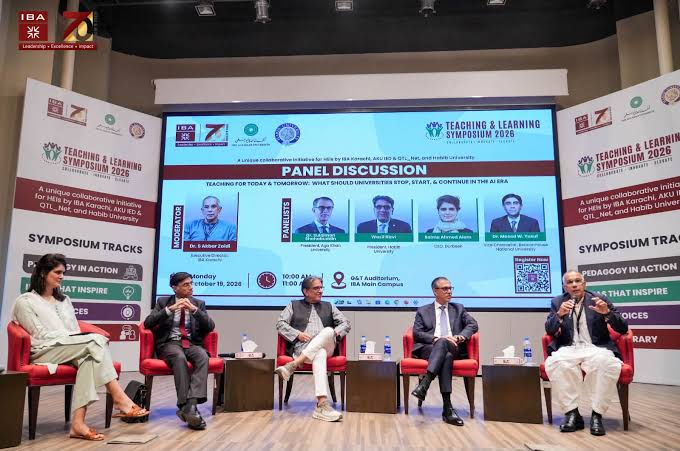
IBA, AKU and Habib University Join Hands to Rethink Education in the AI Era
The Institute of Business Administration (IBA) Karachi, in collaboration with Aga Khan University (AKU) and…