
PAKISTAN
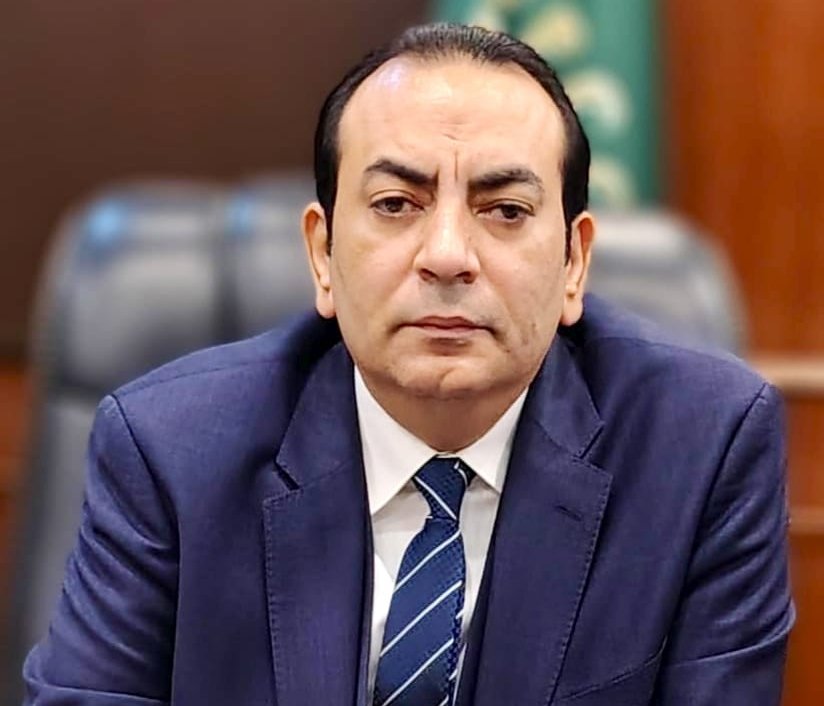
Atif Ikram Sheikh, President of the Federation of Pakistan Chambers of Commerce and Industry (FPCCI), has called for urgent governmental measures to insulate Pakistan’s trade and industry from the escalating conflict in the Middle East, warning that continued instability could undermine the country’s fragile economic recovery.
In a statement issued on Sunday, the FPCCI chief cautioned that geopolitical volatility—particularly disruptions in the Red Sea and the Strait of Hormuz—poses a serious threat to Pakistan’s energy security and export competitiveness. He noted that nearly 30 percent of global petroleum consumption passes through the Strait of Hormuz, and any prolonged disruption could trigger severe supply chain shocks.
“Pakistan’s trade and industry cannot afford to become collateral damage in this regional conflict,” Sheikh said, urging authorities to proactively shield the economy, secure energy lifelines, and protect exporters from soaring logistics costs.
Highlighting Pakistan’s vulnerability to Middle Eastern supply chains, he shared that the country imports over $5.7 billion worth of crude petroleum annually, primarily from Saudi Arabia (approximately $3.2 billion) and the United Arab Emirates (around $2.3 billion). When refined petroleum products are included, the total petroleum import bill reached $10.71 billion in FY25, underscoring the scale of dependence on Gulf energy supplies.
Sheikh further warned that the Red Sea crisis has forced commercial shipping lines to reroute vessels, adding 15 to 20 days to transit times for exports bound for Pakistan’s key markets, including the EU, UK, and the United States. Freight costs on major routes could surge by up to 300 percent, while marine insurance premiums have spiked due to war-risk classifications, he added.
Such increases, he said, would significantly inflate the cost of imported raw materials and erode the price competitiveness of Pakistan’s textiles and manufacturing exports.
To safeguard the national economy, the FPCCI president proposed that the federal government immediately build strategic petroleum reserves and finalize contingency agreements with key allies, including Saudi Arabia, for backup oil supplies and deferred payment facilities to ensure uninterrupted energy flows.
Saquib Fayyaz Magoon, Senior Vice President FPCCI, also called for freight and insurance relief through the Ministry of Commerce and the State Bank of Pakistan (SBP). He urged the introduction of a targeted relief package to subsidize rising marine insurance premiums and freight charges, warning that failure to act could severely dent export earnings.
Magoon further emphasized the need to maximize indigenous refining capacity, stating that domestic refineries must be supported to operate at enhanced levels to reduce external vulnerability. “Pakistan needs a localized and resilient strategy that protects energy supplies and keeps export engines running,” he said, adding that FPCCI stands ready to work with the government to navigate the ongoing geopolitical storm. – ER News Desk
READ MORE

China’s Robot Trainers Turn Household Chores into AI Training Data
Across China, a growing number of freelance workers are training robots by performing everyday household…
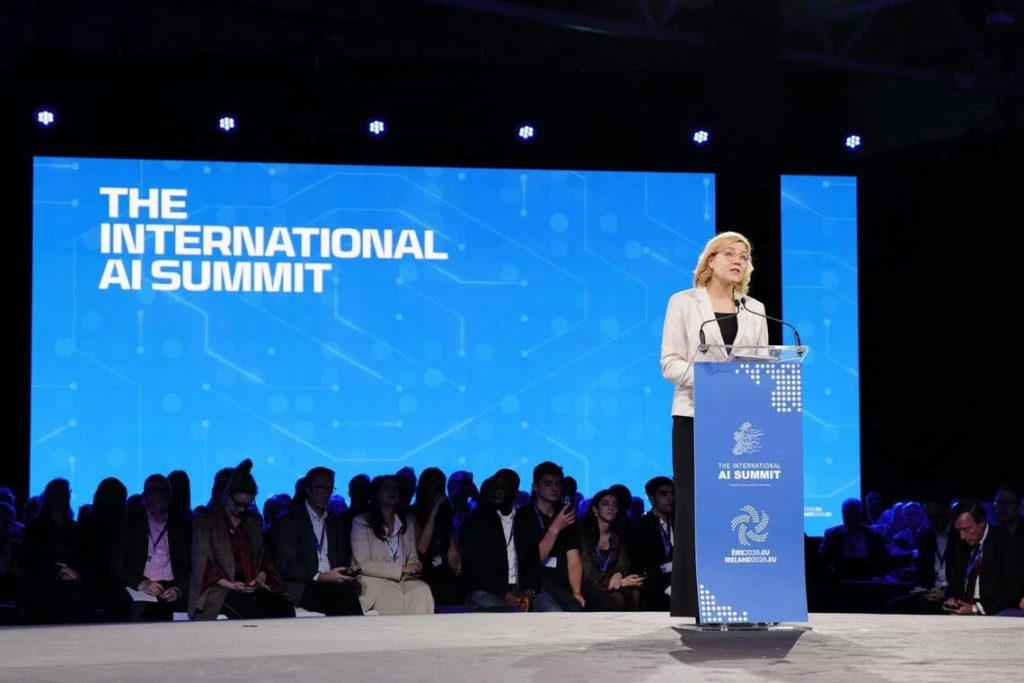
AI Safety Concerns Dominate Dublin Summit as Experts Warn of Emerging Threats
Artificial intelligence safety emerged as a major concern at an industry summit in Dublin on…

40 Major Media Groups Join Coalition to Protect Journalism from AI Copyright Violations
Forty major media organisations, including The New York Times, The Economist and Agence France-Presse (AFP),…

Zong Launches 5G Home Broadband Service in Pakistan
Zong has launched Z HomeFi, a 5G fixed wireless access (FWA) home broadband service, aiming…

BYD Eyes Ultra-Fast EV Charging Technology for Pakistan
Chinese electric vehicle (EV) manufacturer BYD is in discussions with its Pakistani partner, Mega Motor…

Game-Based Digital Therapies Show Mixed Results in Treating Children with ADHD
Stimulant medications are among the most common treatments for children with attention-deficit/hyperactivity disorder (ADHD), helping…