
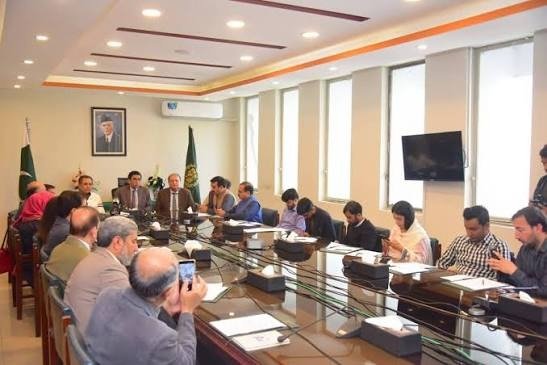
The government has reaffirmed its commitment to addressing Pakistan’s education crisis by prioritising the enrolment of 25.3 million out-of-school children following the declaration of a National Education Emergency.
Speaking at the launch of the Annual Statistical Report 2024-25 and the Federal Non-Formal Education (NFE) Strategy 2025 on Tuesday, Federal Secretary for the Ministry of Federal Education and Professional Training, Nadeem Mehboob, said the new strategy aims to establish a unified non-formal education system that equips children with modern academic and technical skills from primary to matriculation level. He said the initiative would enable out-of-school children to become productive contributors to the country’s economic development.
The Pakistan Institute of Education (PIE), in collaboration with the Japan International Cooperation Agency (JICA), launched the reports to strengthen efforts aimed at reintegrating out-of-school children into the education system.
According to the report, 30,543 non-formal education centres are currently operating across the country, providing education to 1,238,573 children through the services of 34,256 teachers. Female teachers account for between 83 and 86 per cent of the teaching workforce, helping raise girls’ enrolment to 55 per cent. The centres are also serving 15,747 refugee children and more than 11,700 students from minority communities. Around 97 per cent of the institutions focus on primary education, while the remainder provide middle-level, technical and adult literacy programmes.
PIE Director General Dr Zaigham Qadeer highlighted the crucial role played by female teachers and announced that students’ academic progress would be tracked through the Non-Formal Education Management Information System (NFEMIS), a digital monitoring platform designed to improve planning and policymaking.
JICA Pakistan Chief Representative Yusuke Shinozaki commended the government’s efforts and reaffirmed Japan’s continued technical and financial support for Accelerated Learning Programmes and teacher training to improve access to quality education for marginalised communities.
The report shows Punjab has the largest non-formal education network, with 20,610 centres enrolling 678,751 students, followed by Khyber Pakhtunkhwa with 352,535 students in 5,026 centres. Sindh has 58,411 students enrolled in 1,152 centres, while Balochistan serves 38,115 students through 751 centres.
The Federal Non-Formal Education Strategy 2025 also introduces new learning pathways, including 18-month Middle-Tech and Matric-Tech programmes in collaboration with the National Vocational and Technical Training Commission (NAVTTC), aimed at combining formal education with employable technical skills. -ERMD
Zong Launches 5G Home Broadband Service in Pakistan
Zong has launched Z HomeFi, a 5G fixed wireless access (FWA) home broadband service, aiming…

BYD Eyes Ultra-Fast EV Charging Technology for Pakistan
Chinese electric vehicle (EV) manufacturer BYD is in discussions with its Pakistani partner, Mega Motor…

Game-Based Digital Therapies Show Mixed Results in Treating Children with ADHD
Stimulant medications are among the most common treatments for children with attention-deficit/hyperactivity disorder (ADHD), helping…
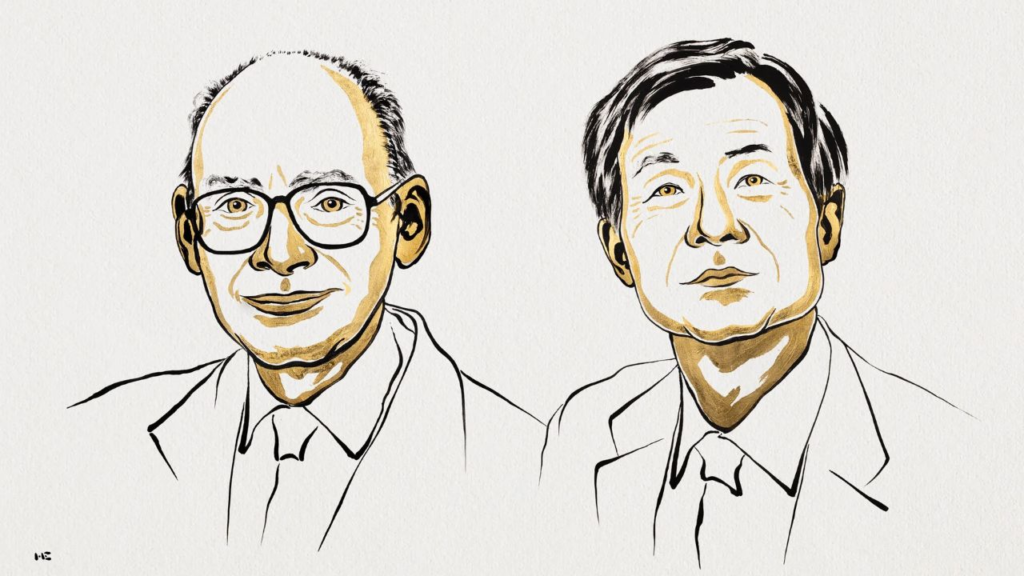
Henri Kagan and Kenso Soai Awarded 2026 Nobel Prize in Chemistry
Scientists Henri Kagan and Kenso Soai have been awarded the 2026 Nobel Prize in Chemistry…
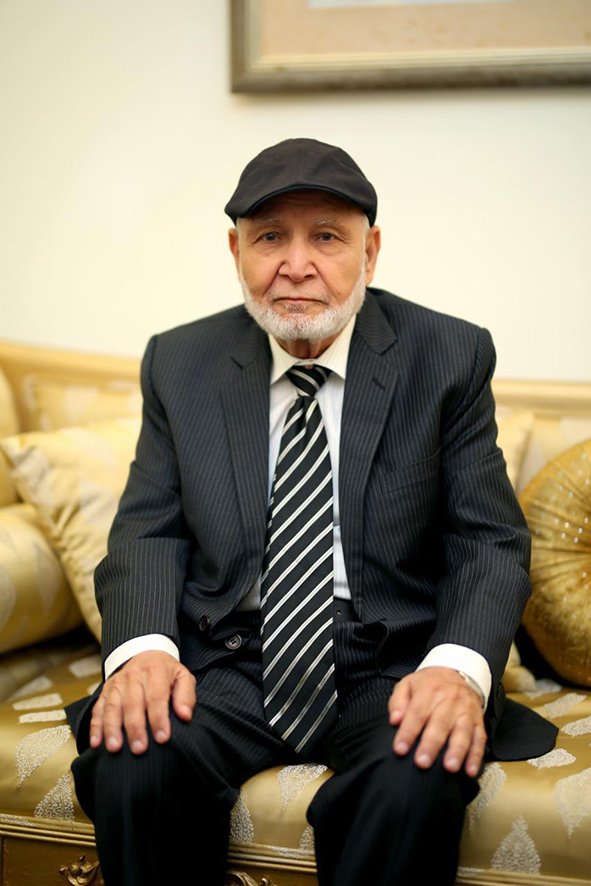
In Memory of Mohammad Akram Sheikh Chairman United Wire Industries
Mohammad Akram Sheikh Chairman United Wire Industries With profound sorrow, we remember Mr. Mohammad Akram…
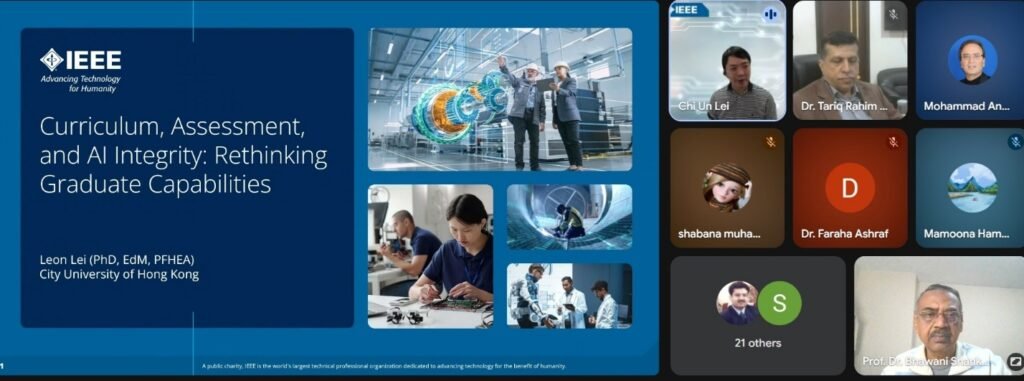
IEEE Education Society Karachi Section Hosts Dr. Chi-Un Lei Webinar
Rethinking Graduate Education in Age of AI Chair IEEE Education Society, Karachi Section, Prof Dr…