
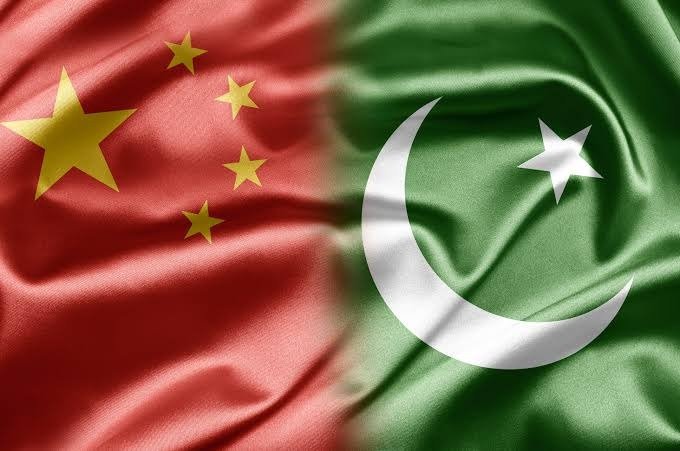
Federal Minister for National Health Services, Regulations and Coordination Syed Mustafa Kamal on Wednesday announced what he described as a major milestone for Pakistan’s pharmaceutical industry, saying the recently held Pakistan-China Pharmaceutical Business-to-Business (B2B) Conference had generated investment commitments and commercial agreements worth more than $1.4 billion.
Addressing a press conference, the minister said the conference, held in Islamabad on July 17-18, brought together 240 Chinese delegates from 140 pharmaceutical companies and 430 representatives from 210 Pakistani firms, making it one of the largest Pakistan-China engagements dedicated to the pharmaceutical sector. He said the event reflected the government’s efforts to attract foreign investment, strengthen local manufacturing and reduce reliance on imported pharmaceutical products.
To facilitate meaningful business discussions, the ministry arranged six weeks of virtual matchmaking before the conference, resulting in 340 business meetings. These led to 22 commercial agreements worth $629.5 million and 84 memorandums of understanding (MoUs) valued at around $800 million, many of which are expected to evolve into formal investment projects. The agreements cover key areas including vaccine production, medical devices, active pharmaceutical ingredients (APIs), clinical trials, and generic medicines.
Kamal said the government’s focus was not merely on signing MoUs but on ensuring they translate into investment, technology transfer, industrial growth and employment. He also highlighted the approval of Pakistan’s first National Local Vaccine Production Policy, aimed at reducing dependence on imported vaccines by establishing domestic manufacturing capacity.
The minister said Pakistan currently imports around 95 percent of the raw materials used in pharmaceutical manufacturing despite producing nearly 85 percent of its medicines locally. He added that the government was working with Chinese partners to develop local API production, expand clinical trials, promote traditional Chinese medicine, manufacture medical devices and strengthen technical training for the pharmaceutical workforce.
Highlighting regulatory reforms, Kamal said around 85 percent of DRAP’s processes had been digitised, significantly reducing approval times and improving transparency. He noted that medical device registrations, which previously took years, can now be completed online in about 20 days, boosting investor confidence. He reaffirmed the government’s commitment to ensuring the agreements reached during the conference are implemented to expand pharmaceutical manufacturing, create jobs, increase exports and support long-term economic growth. – ERMD
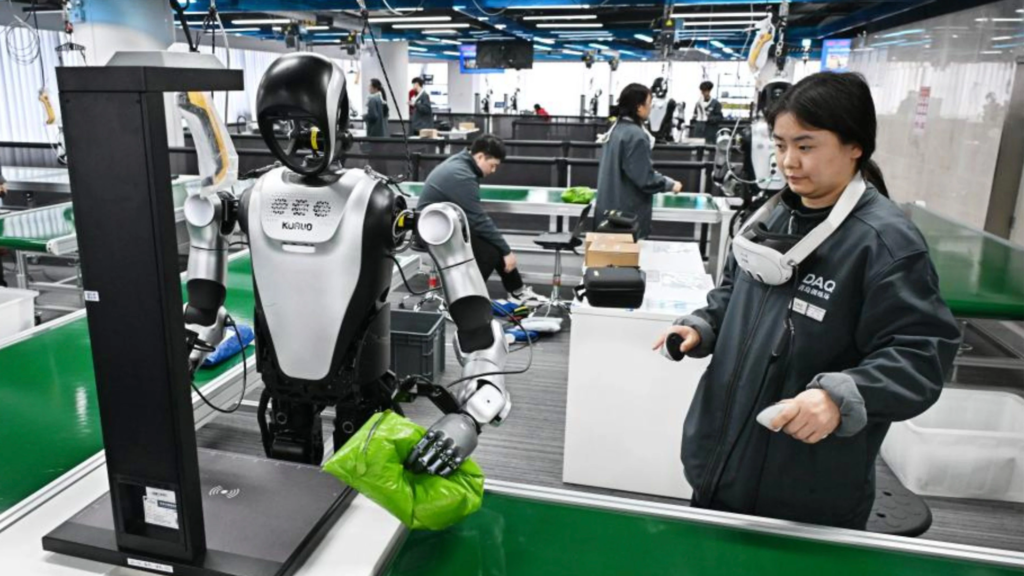
China’s Robot Trainers Turn Household Chores into AI Training Data
Across China, a growing number of freelance workers are training robots by performing everyday household…
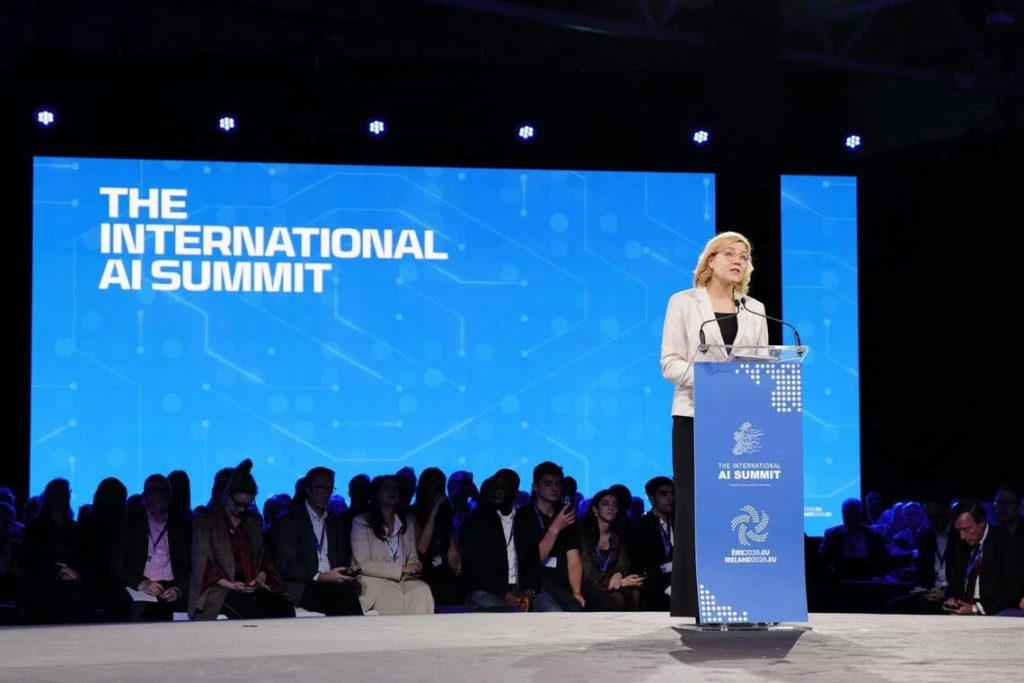
AI Safety Concerns Dominate Dublin Summit as Experts Warn of Emerging Threats
Artificial intelligence safety emerged as a major concern at an industry summit in Dublin on…
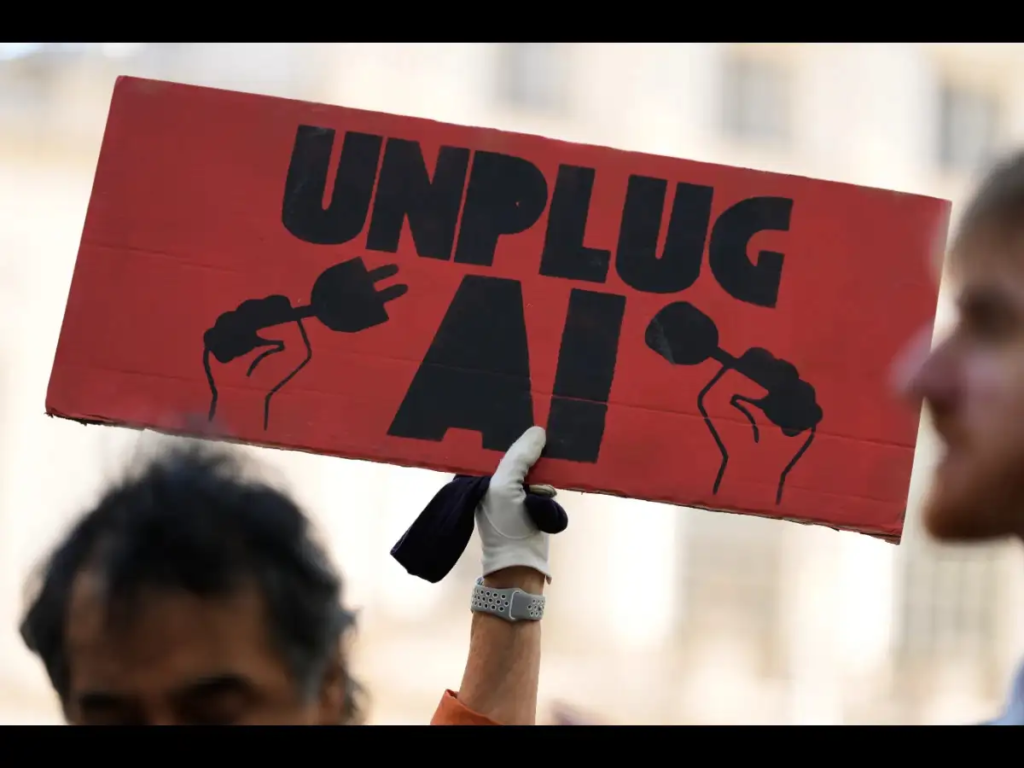
40 Major Media Groups Join Coalition to Protect Journalism from AI Copyright Violations
Forty major media organisations, including The New York Times, The Economist and Agence France-Presse (AFP),…
Zong Launches 5G Home Broadband Service in Pakistan
Zong has launched Z HomeFi, a 5G fixed wireless access (FWA) home broadband service, aiming…

BYD Eyes Ultra-Fast EV Charging Technology for Pakistan
Chinese electric vehicle (EV) manufacturer BYD is in discussions with its Pakistani partner, Mega Motor…

Game-Based Digital Therapies Show Mixed Results in Treating Children with ADHD
Stimulant medications are among the most common treatments for children with attention-deficit/hyperactivity disorder (ADHD), helping…