
PAKISTAN
Reko Diq Seen as Game-Changer as CCP Unveils First-Ever Competition Study of Pakistan’s Gold Market
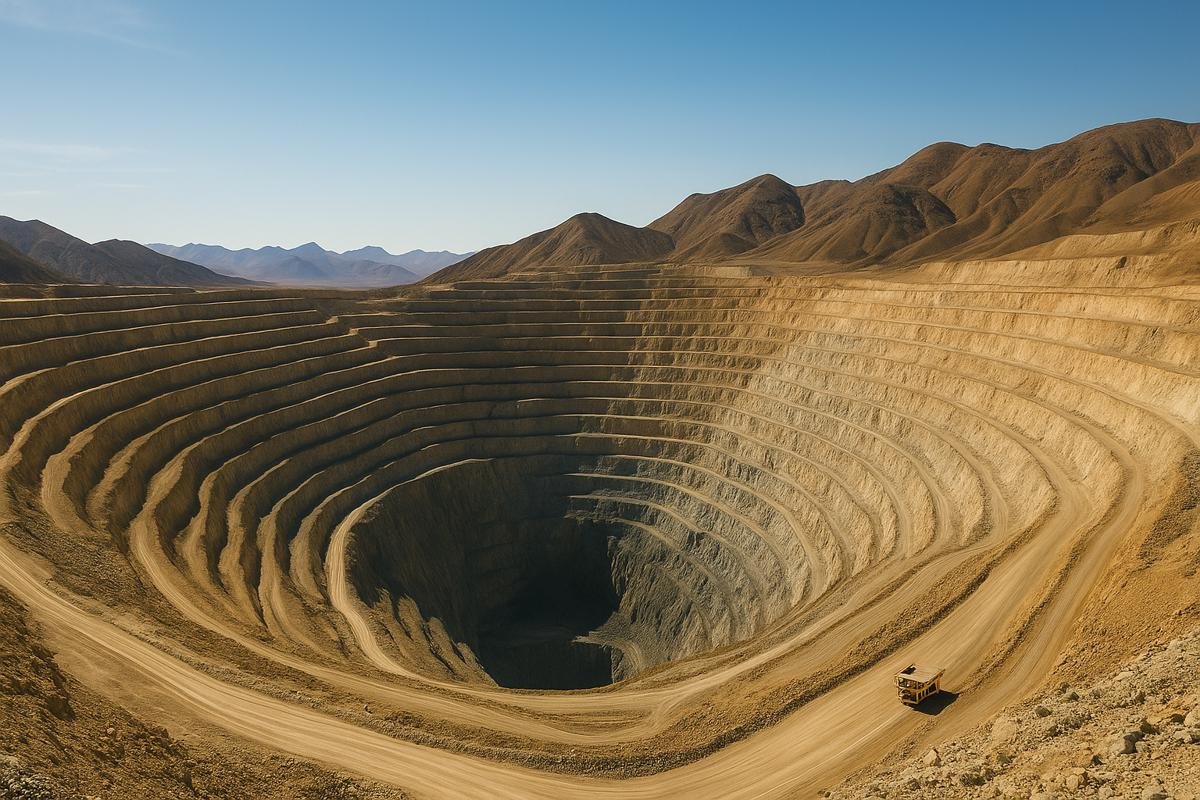
The Competition Commission of Pakistan (CCP) has released its maiden Competition Assessment Study of the Gold Market in Pakistan, placing the transformative economic potential of the Reko Diq copper-gold project at the forefront of its findings. The study notes that the mine—expected to generate up to USD 74 billion over its 37-year life—could fundamentally reshape Pakistan’s domestic gold supply chains, reduce import dependence, and alter the competitive landscape of a market long dominated by informality.
Conducted by CCP’s Center of Excellence in Competition Law (CECL), the study provides the first evidence-based analysis of the country’s gold sector, examining its market structure, regulatory gaps, and competition challenges. Despite annual consumption estimated at 60 to 90 tonnes, the report reveals that over 90% of gold trade occurs outside formal channels, fuelled by cash-based transactions, weak documentation, and fragmented oversight.
Pakistan currently relies almost entirely on imported gold, with USD 17 million worth imported in FY 2023–24. With the commercial rollout of Reko Diq on the horizon, CCP emphasizes the need for structural reforms to ensure that the anticipated surge in domestic output translates into greater transparency, consumer protection, and economic value.
The study identifies several entrenched barriers impeding competition:
- Informal market dominance, enabling powerful networks to set prices and influence supply.
- Opaque price-setting, driven largely by associations rather than transparent mechanisms.
- Fragmented regulation, with overlapping mandates of the Ministry of Commerce, FBR, SBP, PGJDC, and TDAP causing policy inconsistencies.
- High taxes and complex compliance, encouraging smuggling, under-invoicing, and avoidance of formal channels.
- Insufficient refining, assaying, and hallmarking facilities, resulting in purity issues and weak consumer protection.
- Severe data gaps, including unreliable import figures and trader registration data, which hinder evidence-based policymaking.
To address these gaps—and to prepare for the economic impact of Reko Diq—the CCP has recommended a comprehensive reform package, including:
- Creation of a Pakistan Gold & Gemstone Authority, a unified regulator to harmonize rules, licensing, imports, and AML/CFT compliance nationwide.
- Mandatory assaying and hallmarking across Pakistan to ensure gold purity, boost consumer confidence, and support export potential.
- Digital transformation of the entire gold value chain using blockchain-based traceability integrated with FBR’s Track & Trace system.
- Introduction of a Gold Banking System, inspired by Türkiye’s model, to mobilize household gold into the formal economy.
- Strengthening of data governance, through centralized reporting, scientific price monitoring, and improved documentation of gold flows.
The CCP stresses that modernizing the gold sector is crucial for reducing illicit trade, improving market efficiency, and unlocking billions in untapped economic value—particularly as Pakistan prepares to enter a new era of domestic gold production driven by Reko Diq. – ER News Desk
READ MORE
Zong Launches 5G Home Broadband Service in Pakistan
Zong has launched Z HomeFi, a 5G fixed wireless access (FWA) home broadband service, aiming…

BYD Eyes Ultra-Fast EV Charging Technology for Pakistan
Chinese electric vehicle (EV) manufacturer BYD is in discussions with its Pakistani partner, Mega Motor…

Game-Based Digital Therapies Show Mixed Results in Treating Children with ADHD
Stimulant medications are among the most common treatments for children with attention-deficit/hyperactivity disorder (ADHD), helping…

Henri Kagan and Kenso Soai Awarded 2026 Nobel Prize in Chemistry
Scientists Henri Kagan and Kenso Soai have been awarded the 2026 Nobel Prize in Chemistry…
In Memory of Mohammad Akram Sheikh Chairman United Wire Industries
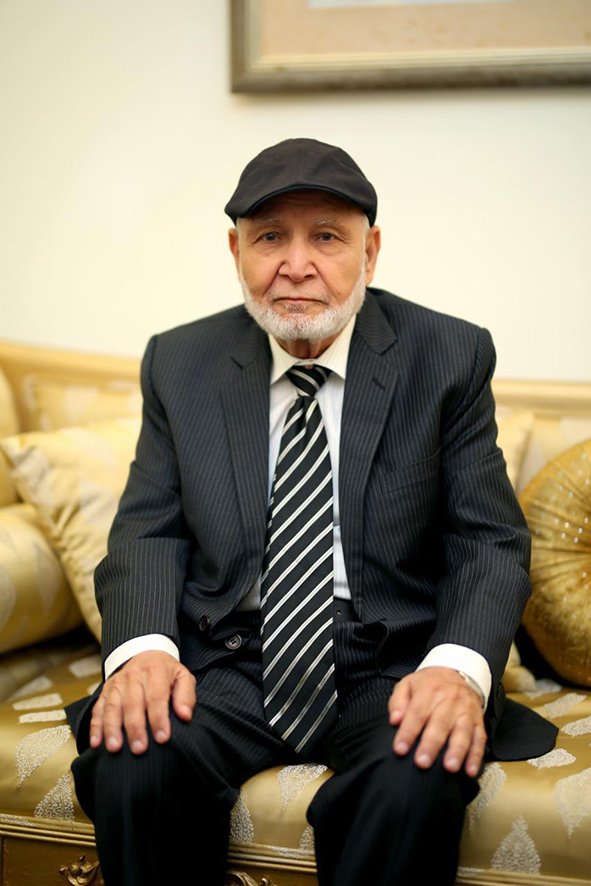
Mohammad Akram Sheikh Chairman United Wire Industries With profound sorrow, we remember Mr. Mohammad Akram…
IEEE Education Society Karachi Section Hosts Dr. Chi-Un Lei Webinar
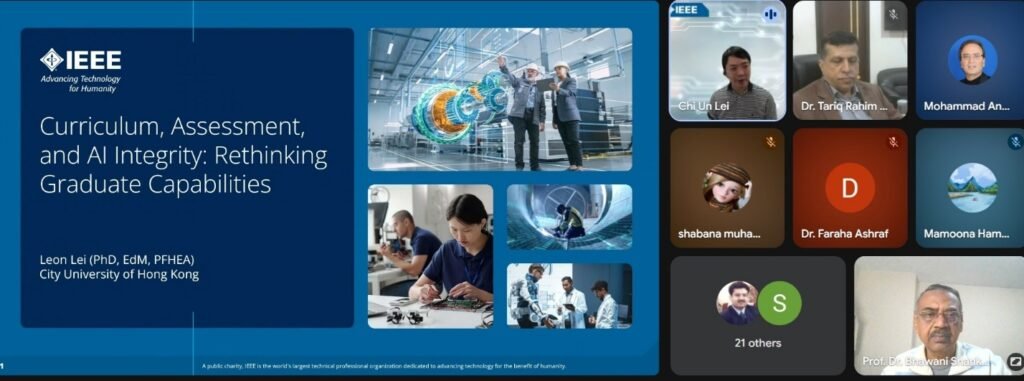
Rethinking Graduate Education in Age of AI Chair IEEE Education Society, Karachi Section, Prof Dr…