

Samsung Electronics has unveiled a new generation of artificial intelligence (AI) memory technologies, highlighting major advances in performance, power efficiency and storage density as it intensifies competition with SK Hynix and Micron Technology in the rapidly expanding AI memory market.
The company introduced zHBM, a next-generation memory architecture that vertically stacks high-bandwidth memory (HBM) directly on AI accelerators. Samsung said the technology is capable of delivering nearly eight times the performance of the upcoming HBM5 standard while offering more than ten times its memory density through advanced wafer-bonding technology. The new architecture also supports customised memory designs for AI applications.
Samsung confirmed that mass production of its HBM4 memory will begin in the second half of this year, although it has yet to announce a commercial timeline for HBM5 or the newly unveiled zHBM platform.
The announcement comes as Samsung seeks to strengthen its position in the highly competitive AI memory market, where it is vying with South Korea’s SK Hynix and US-based Micron Technology for lucrative data centre contracts. The race to deliver next-generation memory solutions has become increasingly important as demand for AI infrastructure continues to surge.
In addition to zHBM, Samsung introduced zNAND-O, a new NAND flash solution based on its V-NAND technology, designed to support real-time, data-intensive AI workloads.
The company also showcased the industry’s first V10 BV-NAND architecture, featuring a wafer-bonding design with more than 400 layers. Samsung said the new technology increases storage density by nearly 60% over the previous generation while delivering faster read and write speeds.
Samsung further outlined its long-term AI hardware roadmap, which includes next-generation processing-in-memory (PIM) chips and high-capacity enterprise storage solutions, reinforcing its strategy to become a comprehensive provider of AI infrastructure. – ERMD
Engr. Waseem Asghar re-elected ACEP Chairman
Engr. Waseem Asghar has been re-elected Chairman of the Association of Consulting Engineers Pakistan (ACEP)…
Adoption of Industry 5.0 Technologies in Sustainable Engineering
In the field of engineering for sustainability, the switch to Industry 5.0 technologies signifies a…

Pakistan Cables recognized at 3rd International Solar Technology Excellence Awards 2026
Pakistan Cables Ltd. has been recognized as the exclusive category winner for Solar DC Cables…
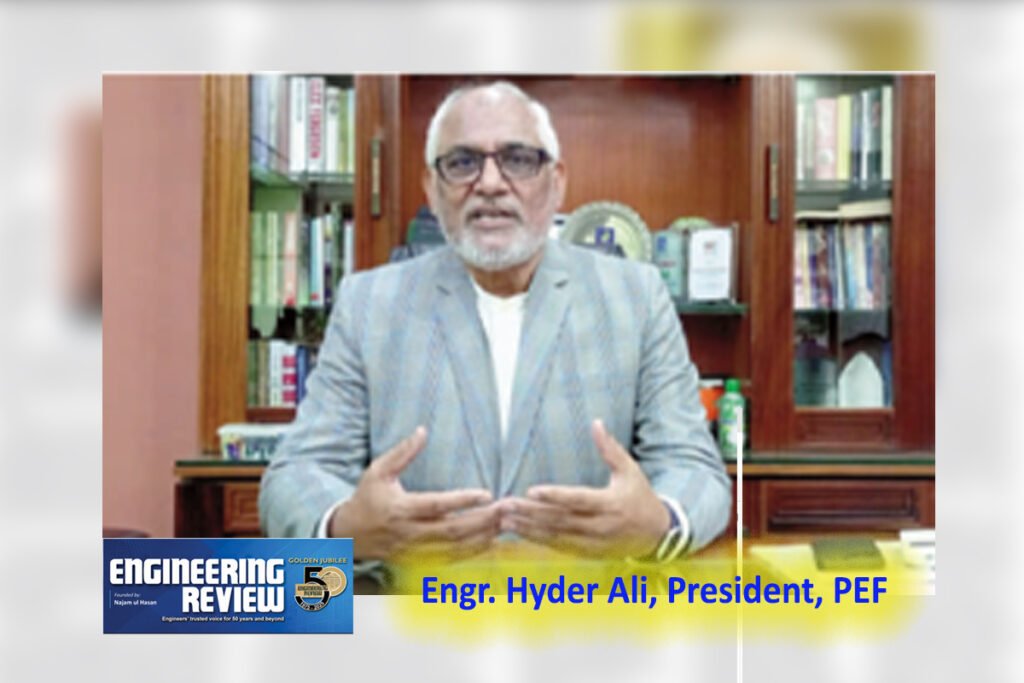
PEC Deadlock: How Did the Two-Year Crisis Develop?
The Pakistan Engineering Council (PEC) is facing a serious institutional deadlock, raising questions about how…
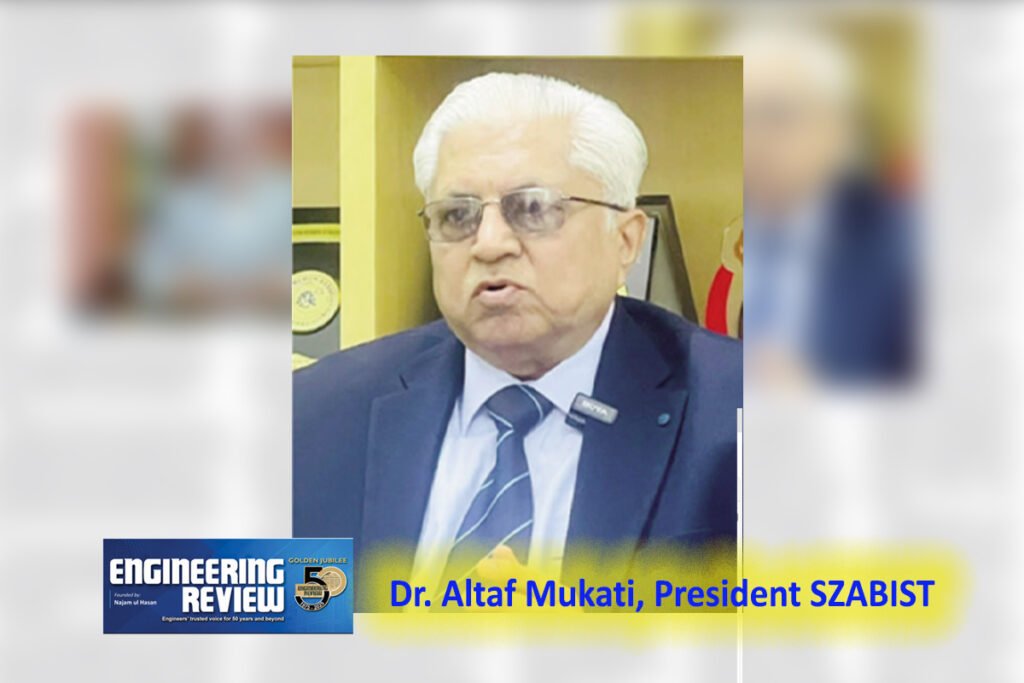
Prof. Dr. Altaf Mukati appointed SZABIST President
Prof. Dr. Muhammad Altaf Mukati has been appointed President of Shaheed Zulfikar Ali Bhutto Institute…
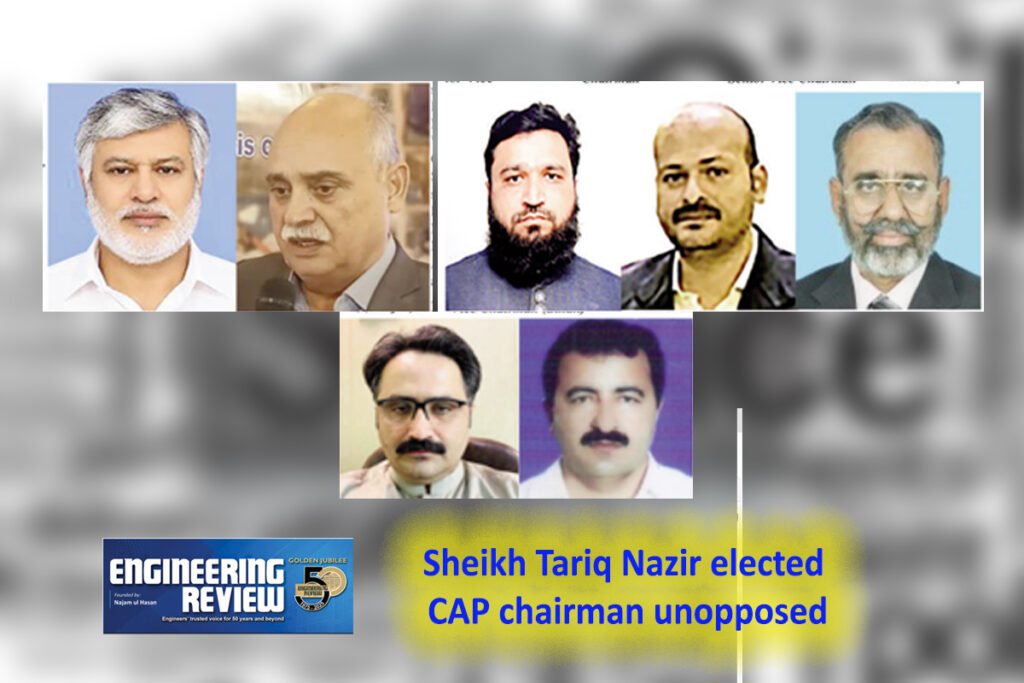
Sheikh Tariq Nazir elected CAP chairman unopposed
Sheikh Tariq Nazir has been elected unopposed as Chairman of the Constructors Association of Pakistan…