
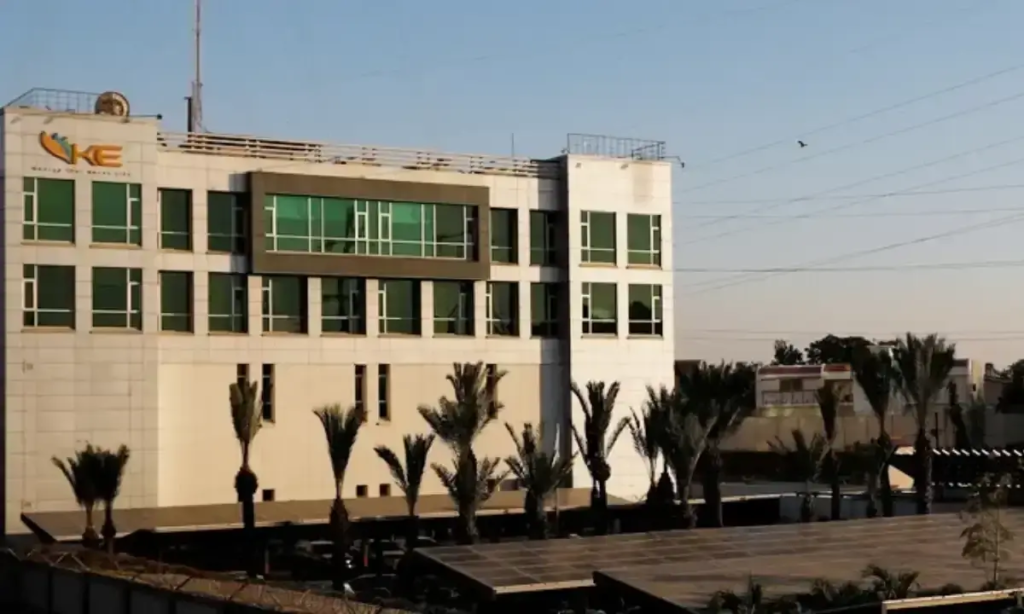
A new study has warned that excluding K-Electric’s (KE) 640-megawatt (MW) renewable energy portfolio from the draft Indicative Generation Capacity Expansion Plan (IGCEP) 2025 could increase electricity costs, weaken energy security and undermine investor confidence despite the projects having secured regulatory approvals.
The report, Successful Renewable Auctions, Uncertain Outcomes: A Techno-Economic Assessment of K-Electric’s 640MW Renewables 2026, was jointly released by Renewables First and the Policy Research Institute for Equitable Development (PRIED). It noted that KE completed competitive auctions for three renewable energy projects in 2024, with tariffs ranging from Rs8.9 to Rs11.2 per unit, and received approval from the National Electric Power Regulatory Authority (Nepra). The portfolio includes a 150MW solar project in Bela, a 220MW hybrid wind-solar project in Dhabeji and a 270MW solar project at Deh Metha Ghar and Deh Halkani.
Despite completing the required procurement and regulatory processes, the projects were excluded from the base case of the draft IGCEP 2025 and placed under an alternative scenario. According to the study, this limits KE’s ability to incorporate the low-cost renewable projects into its long-term generation planning and creates uncertainty for investors participating in competitive bidding.
The report highlighted that nearly 90 percent of KE’s installed generation capacity relies on imported re-gasified liquefied natural gas (RLNG), while almost half of its electricity demand is met through imports from the National Grid Company. This dependence, it said, exposes the utility to international fuel price fluctuations, supply disruptions and geopolitical risks, while also increasing exposure to transmission constraints and capacity charges.
Using power system modelling, the study estimated that integrating the 640MW renewable portfolio from FY2027 could reduce KE’s total system costs by around $432 million between FY2025 and FY2035, while lowering the average electricity cost from about 13 US cents to 12.58 US cents per kilowatt-hour. Expanding renewable capacity further, alongside battery energy storage systems, could generate savings of nearly $1.56 billion by FY2035 and reduce reliance on grid imports to below 40 percent.
The report concluded that accelerating the integration of approved renewable energy projects would strengthen energy security, improve electricity affordability and support Pakistan’s transition to a more diversified and sustainable power sector. – ERMD
Engr. Waseem Asghar re-elected ACEP Chairman
Engr. Waseem Asghar has been re-elected Chairman of the Association of Consulting Engineers Pakistan (ACEP)…

Adoption of Industry 5.0 Technologies in Sustainable Engineering
In the field of engineering for sustainability, the switch to Industry 5.0 technologies signifies a…

Pakistan Cables recognized at 3rd International Solar Technology Excellence Awards 2026
Pakistan Cables Ltd. has been recognized as the exclusive category winner for Solar DC Cables…
PEC Deadlock: How Did the Two-Year Crisis Develop?
The Pakistan Engineering Council (PEC) is facing a serious institutional deadlock, raising questions about how…
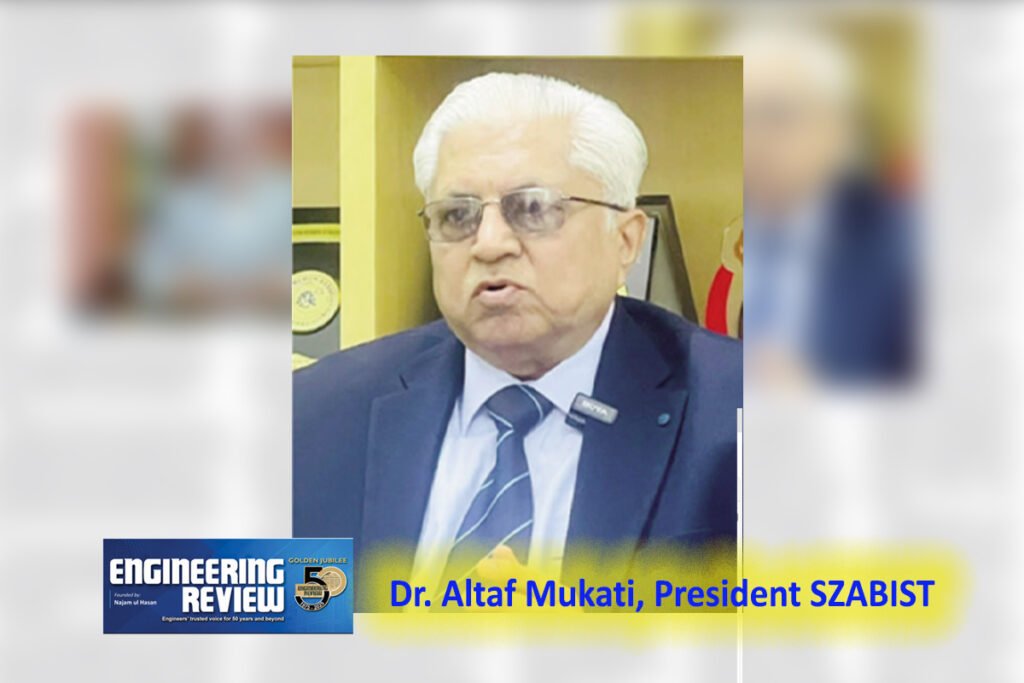
Prof. Dr. Altaf Mukati appointed SZABIST President
Prof. Dr. Muhammad Altaf Mukati has been appointed President of Shaheed Zulfikar Ali Bhutto Institute…

Sheikh Tariq Nazir elected CAP chairman unopposed
Sheikh Tariq Nazir has been elected unopposed as Chairman of the Constructors Association of Pakistan…