
PAKISTAN – Urban Services and Resilience
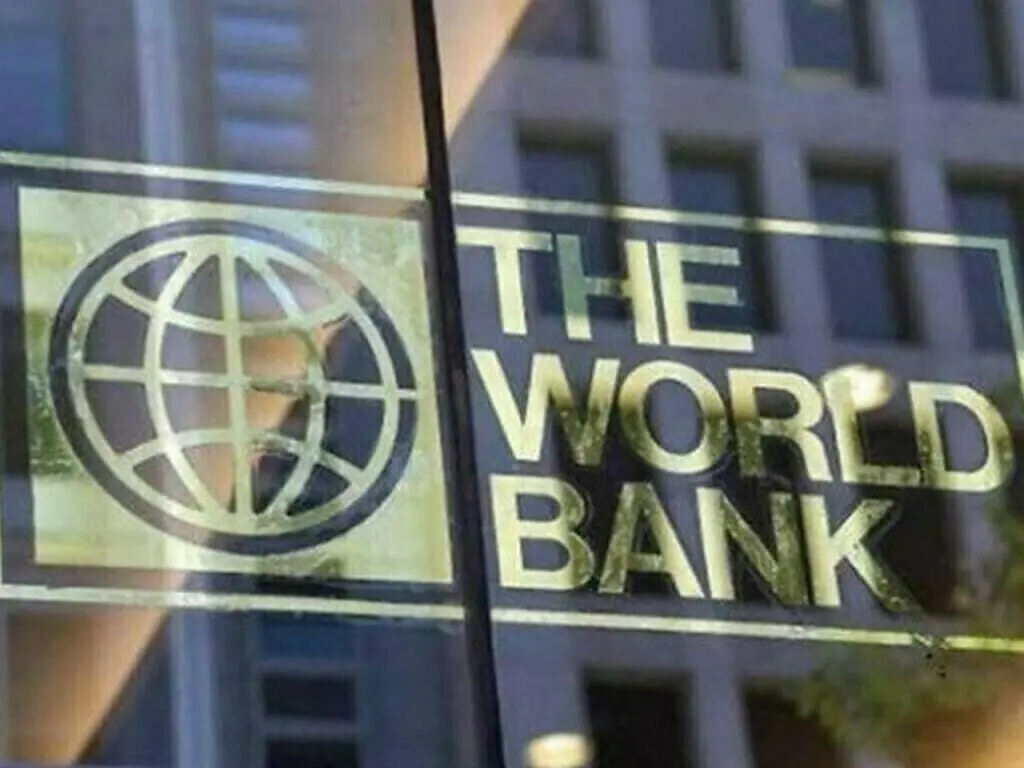
WASHINGTON: The World Bank’s Board of Executive Directors has approved $400 million in financing for a new project that will provide safely managed water, sanitation and basic hygiene services, and help improve the institutional and financial performance of local urban administration in Punjab province.
The Punjab Inclusive Cities Program (PICP) will support the improvement and rehabilitation of water supply networks, sewerage systems, and wastewater treatment plants, provide stormwater drainage, and enhance the capacity of local governments to sustainably deliver services and increase revenues in 16 secondary cities in Punjab. The program will also support the improved performance of solid waste management systems in Punjab, including for sanitary disposal of waste.
“Reducing child stunting is essential for Pakistan’s future. Through the Punjab Inclusive Cities Program, we are investing in safe water, sanitation, and hygiene services to break the cycle of malnutrition and disease that holds back so many children from reaching their full potential,” said Bolormaa Amgaabazar, World Bank Country Director for Pakistan. “In collaboration with the Punjab Government, the program represents a significant step forward in improving urban infrastructure and strengthening local institutions, thereby laying the foundation for healthier communities and a more prosperous Pakistan.”
PICP aims to deliver improved water, sanitation, hygiene and drainage services to approximately 4.5 million people and improved solid waste management services to an additional 2 million people. The Program will help reduce healthcare costs by lowering waterborne disease, lower child stunting rates, and strengthen the capacity of urban local governments to deliver sustainable services.
“The program complements infrastructure investments with capacity building and revenue generation, helping to ensure that service delivery is well sustained,” said Amena Raja, Senior Urban Specialist for the World Bank. “It will also help Punjab’s cities better withstand floods and droughts, ensuring urban development is both environmentally responsible and resilient to climate change.”
The program also delivers important gender benefits by prioritizing hiring women especially in decision-making roles, establishing gender complaint desks, and providing targeted capacity building to help female workers develop new skills and advance. Community campaigns also promote better hygiene practices at the household level to support improved health outcomes. The program aims to mobilize private capital to support water and sanitation services in secondary cities in Punjab.
The new program aligns with Pakistan’s national development priorities and provides support to ongoing provincial programs including the Punjab Development Program and the Suthra Punjab Program. It is the second phase of the World Bank-supported Pakistan Urban Water, Sanitation and Hygiene Services Multiphase Programmatic Approach.
PR
READ MORE
Zong Launches 5G Home Broadband Service in Pakistan
Zong has launched Z HomeFi, a 5G fixed wireless access (FWA) home broadband service, aiming…

BYD Eyes Ultra-Fast EV Charging Technology for Pakistan
Chinese electric vehicle (EV) manufacturer BYD is in discussions with its Pakistani partner, Mega Motor…

Game-Based Digital Therapies Show Mixed Results in Treating Children with ADHD
Stimulant medications are among the most common treatments for children with attention-deficit/hyperactivity disorder (ADHD), helping…
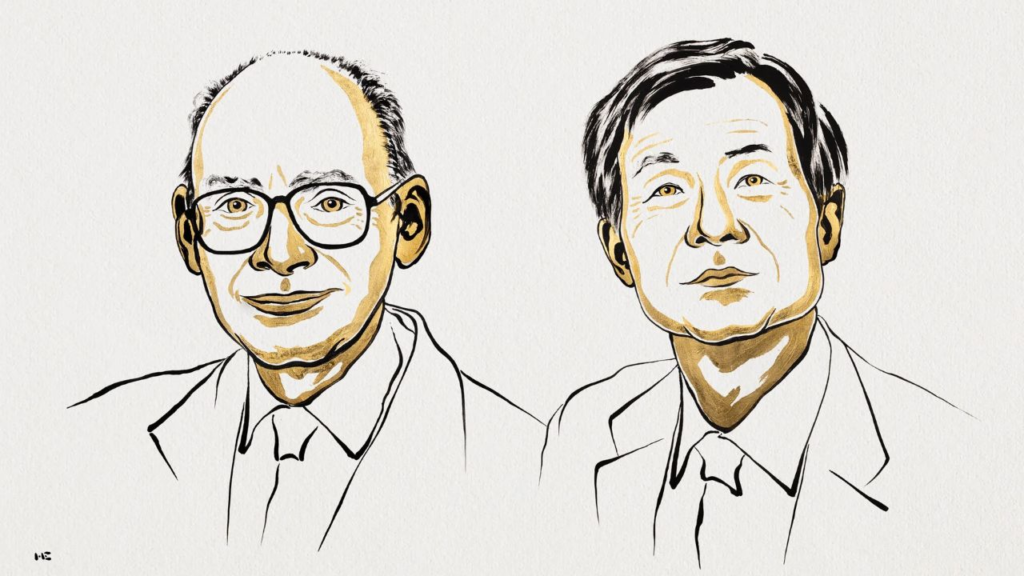
Henri Kagan and Kenso Soai Awarded 2026 Nobel Prize in Chemistry
Scientists Henri Kagan and Kenso Soai have been awarded the 2026 Nobel Prize in Chemistry…

In Memory of Mohammad Akram Sheikh Chairman United Wire Industries
Mohammad Akram Sheikh Chairman United Wire Industries With profound sorrow, we remember Mr. Mohammad Akram…
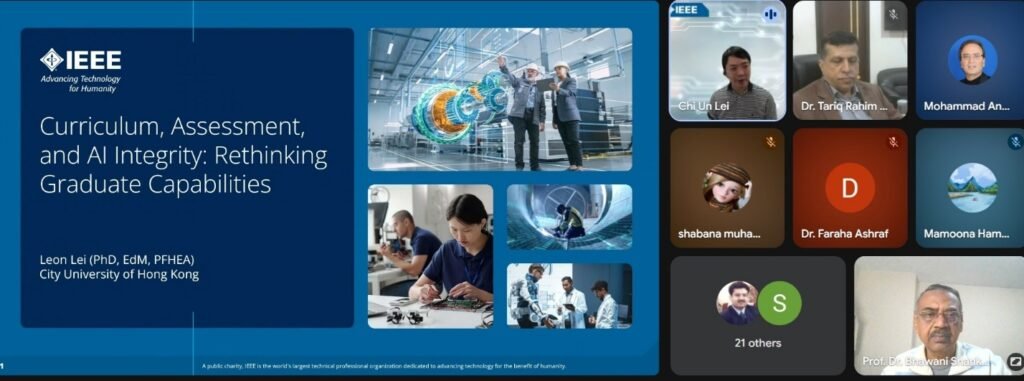
IEEE Education Society Karachi Section Hosts Dr. Chi-Un Lei Webinar
Rethinking Graduate Education in Age of AI Chair IEEE Education Society, Karachi Section, Prof Dr…