
FIRE SAFETY
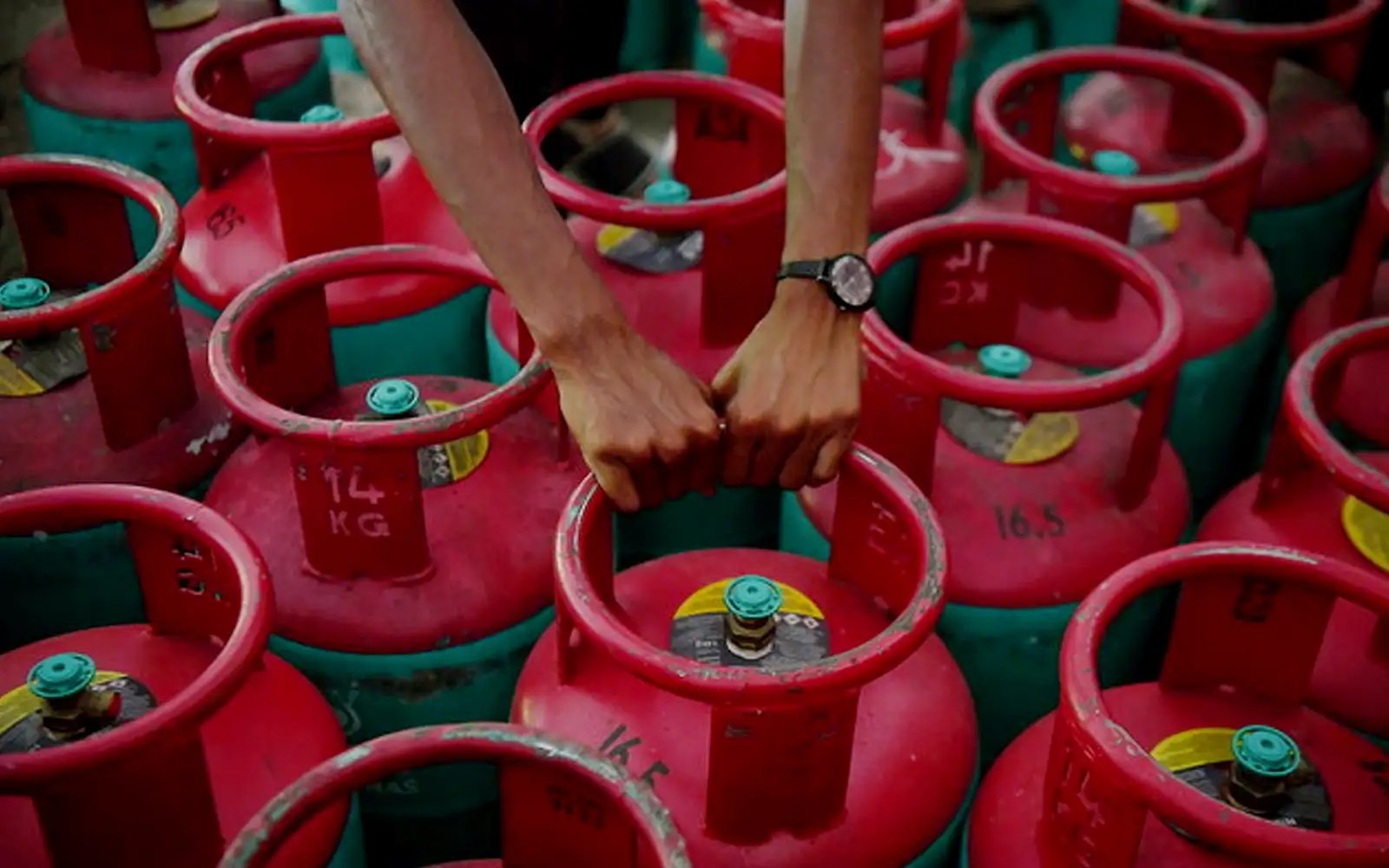
A growing number of LPG cylinder explosions across Pakistan has raised serious safety concerns, with estimates suggesting that 300 to 500 fire and blast incidents occur annually. The frequency of such incidents increases significantly during the winter months, when gas consumption rises sharply and households turn to LPG as an alternative fuel.
Experts attribute the surge in incidents to a combination of factors, including illegal decanting practices, substandard or expired cylinders, and the widespread use of faulty regulators and pipes. The situation is particularly alarming in densely populated urban centers such as Karachi, which records the highest number of incidents, followed by Lahore and Peshawar.
According to safety analysts, the root causes go beyond usage patterns. Weak enforcement of safety regulations, the unchecked proliferation of illegal LPG refilling shops, and the availability of low-quality equipment continue to put lives at risk. Many cylinders in circulation do not meet safety standards, while routine inspections remain inadequate.
The seriousness of the issue has now reached Pakistan’s legislative forums. A recent meeting of the Senate Standing Committee on Cabinet Secretariat, chaired by Amir Waliuddin Chishti, expressed grave concern over the rising number of LPG-related incidents and called for stricter regulatory oversight across the supply chain.
The committee revealed a stark mismatch in the sector’s regulatory framework. While only 18 cylinder manufacturing companies are officially registered nationwide, a single district reportedly hosts as many as 150 manufacturers, highlighting the scale of unregulated activity. Lawmakers described the situation as a major public safety risk requiring urgent intervention.
During the session, Aimal Wali Khan called for a comprehensive, data-driven assessment of the LPG sector. He demanded detailed records on cylinder production, usage trends, and a consolidated report on explosion incidents over the past decade. Stressing accountability, he questioned the effectiveness of existing laws, stating that legislation alone is not enough without proper implementation.
“Laws are made, but who will implement them and how?” he asked, adding that enforcement remains the weakest link in the system.
The committee also examined the role of the Oil and Gas Regulatory Authority (OGRA), particularly its enforcement powers. Members debated whether the authority requires additional powers or whether existing mechanisms are simply not being utilized effectively. Concerns were also raised about whether locally manufactured cylinders meet internationally accepted safety standards.
Highlighting structural flaws, Senator Aimal Wali proposed the formation of a joint and empowered oversight body comprising members of the National Assembly, Senate, and OGRA officials. He emphasized that the issue extends beyond regulatory bodies and requires direct government intervention.
Meanwhile, Saadia Abbasi strongly criticized delays in both legislative and executive action. She pointed to inconsistencies in the market, noting that cylinder prices range widely from Rs5,000 to Rs15,000, raising questions about quality and standardization. She also expressed concern over the unchecked sale of illegal cylinders and demanded detailed data on enforcement actions, including the number of FIRs registered, illegal factories shut down, and shops sealed.
“Legislation is the responsibility of the government, and delay is unacceptable,” she said, urging authorities to move beyond discussions and deliver tangible results.
The committee also questioned the role of law enforcement agencies in curbing illegal practices and asked when concrete steps would be taken to address the issue.
With LPG usage expected to remain high, particularly in areas facing natural gas shortages, experts warn that without immediate and effective regulatory measures, the risk of accidents will continue to grow. They stress the need for stricter quality control, public awareness campaigns, and a crackdown on illegal refilling operations.
As policymakers deliberate on reforms, the challenge remains clear: ensuring that safety standards are not only defined but effectively enforced to prevent further loss of life and property. – Engineering Review Report
READ MORE
40 Major Media Groups Join Coalition to Protect Journalism from AI Copyright Violations
Forty major media organisations, including The New York Times, The Economist and Agence France-Presse (AFP),…
Zong Launches 5G Home Broadband Service in Pakistan
Zong has launched Z HomeFi, a 5G fixed wireless access (FWA) home broadband service, aiming…

BYD Eyes Ultra-Fast EV Charging Technology for Pakistan
Chinese electric vehicle (EV) manufacturer BYD is in discussions with its Pakistani partner, Mega Motor…

Game-Based Digital Therapies Show Mixed Results in Treating Children with ADHD
Stimulant medications are among the most common treatments for children with attention-deficit/hyperactivity disorder (ADHD), helping…
Henri Kagan and Kenso Soai Awarded 2026 Nobel Prize in Chemistry
Scientists Henri Kagan and Kenso Soai have been awarded the 2026 Nobel Prize in Chemistry…
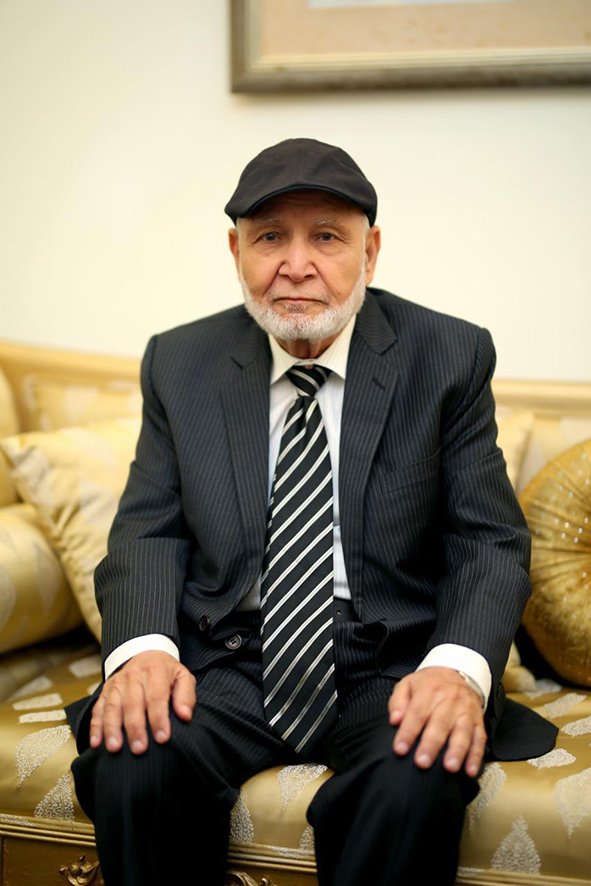
In Memory of Mohammad Akram Sheikh Chairman United Wire Industries
Mohammad Akram Sheikh Chairman United Wire Industries With profound sorrow, we remember Mr. Mohammad Akram…