
PAKISTAN
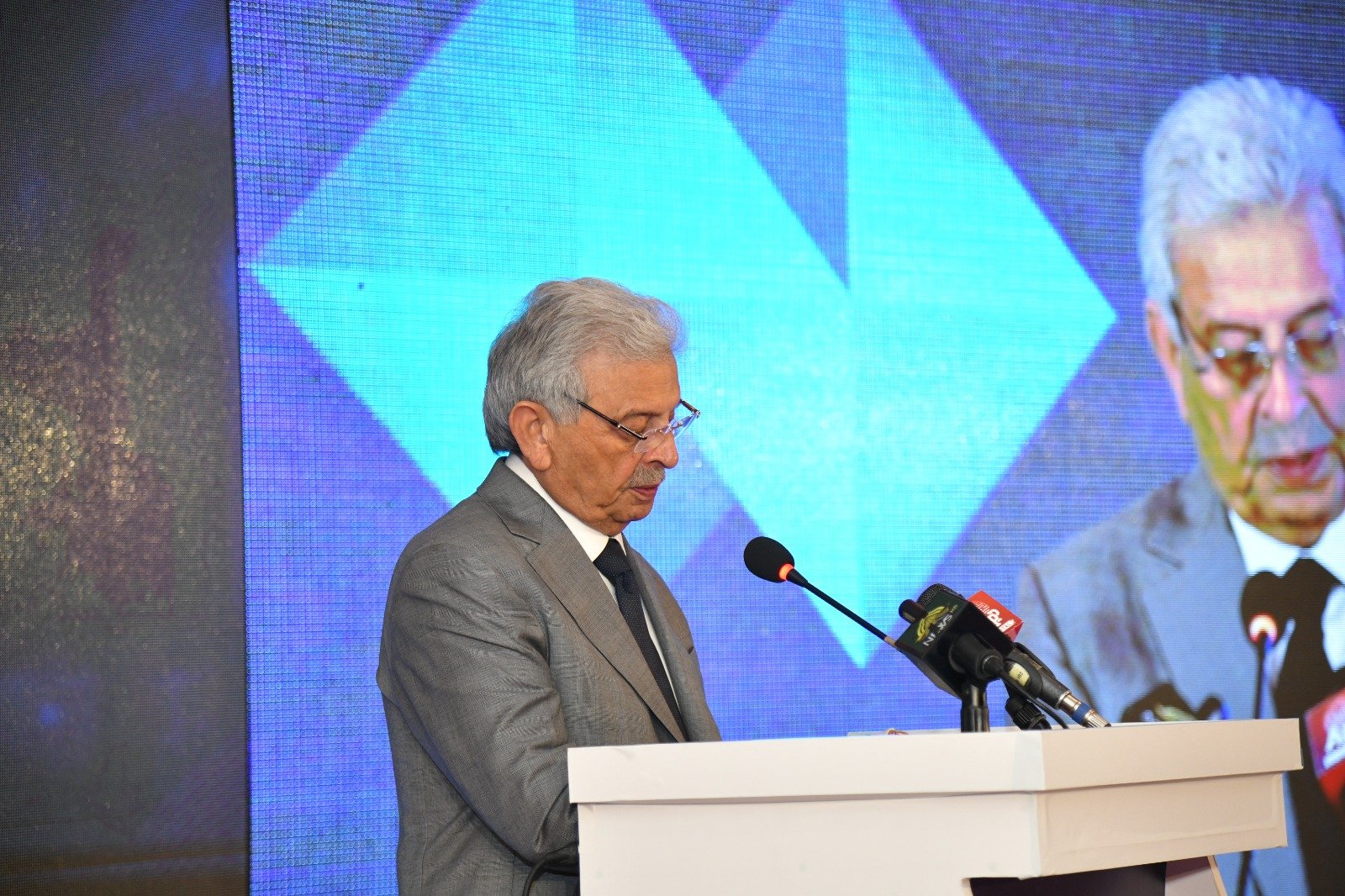
Federal Minister for National Food Security and Research, Rana Tanveer Hussain, has said that modern technology and innovation will be the driving forces behind transforming Pakistan’s olive sector into a key pillar of economic growth.
Addressing the Pakistan Olive Summit 2.0, the Minister said Pakistan’s northern and southern regions offer immense potential for olive cultivation, and with a strategic, technology-driven approach, the country can soon join the ranks of leading olive-producing nations.
He emphasized that achieving self-sufficiency in olive oil production is now within reach, provided that scientific methods, mechanized farming, and digital monitoring tools are widely adopted. “The era of traditional agriculture is over — Pakistan’s olive industry must embrace precision farming, smart irrigation, and modern extraction techniques to compete globally,” he said.
Rana Tanveer Hussain highlighted that olive farming can boost rural incomes, strengthen the agro-economy, and promote efficient land use. As olive trees are drought-tolerant, he said, their cultivation also supports water conservation and environmental sustainability.
The Minister noted that the Ministry of National Food Security and Research is promoting technology integration across the olive value chain — from cultivation and harvesting to oil extraction, packaging, and marketing. He said Public-Private Partnerships (PPP) are being encouraged to introduce advanced machinery, smart data tools, and modern processing equipment to enhance productivity and product quality.
He also announced the establishment of Olive Clusters across key regions to connect farmers with agritech experts and investors, creating a digitally linked ecosystem for the sector. “Private sector investment and technology adoption will be central to Pakistan’s olive revolution,” he added.
Rana Tanveer Hussain stressed that promoting olive cultivation could substantially reduce Pakistan’s edible oil import bill, saving billions in foreign exchange each year. He described the olive industry as a model of climate-smart agriculture that supports soil health, regulates temperature, and helps reduce the carbon footprint.
Encouraging the youth to join the initiative, he said young farmers equipped with technical knowledge can accelerate the shift toward modern and sustainable farming systems.
The Minister announced that the government is developing a National Olive Plan 2030, focusing on innovation, research, investment, and international collaboration to make Pakistan a recognized name in the global olive market.
Concluding his address, Rana Tanveer Hussain said:
“Olive is not just a crop — it represents Pakistan’s vision for prosperity, sustainability, and self-reliance. Through technology and innovation, we will make olive the new identity of Pakistan.” – PID/ERMD
Latest News

Zong Launches 5G Home Broadband Service in Pakistan
Zong has launched Z HomeFi, a 5G fixed wireless access (FWA) home broadband service, aiming…

BYD Eyes Ultra-Fast EV Charging Technology for Pakistan
Chinese electric vehicle (EV) manufacturer BYD is in discussions with its Pakistani partner, Mega Motor…

Game-Based Digital Therapies Show Mixed Results in Treating Children with ADHD
Stimulant medications are among the most common treatments for children with attention-deficit/hyperactivity disorder (ADHD), helping…

Henri Kagan and Kenso Soai Awarded 2026 Nobel Prize in Chemistry
Scientists Henri Kagan and Kenso Soai have been awarded the 2026 Nobel Prize in Chemistry…
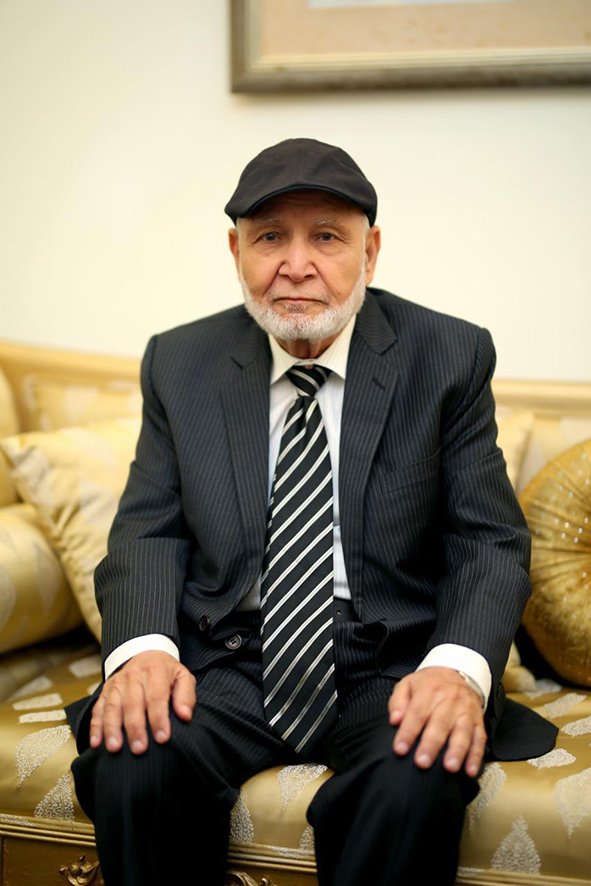
In Memory of Mohammad Akram Sheikh Chairman United Wire Industries
Mohammad Akram Sheikh Chairman United Wire Industries With profound sorrow, we remember Mr. Mohammad Akram…
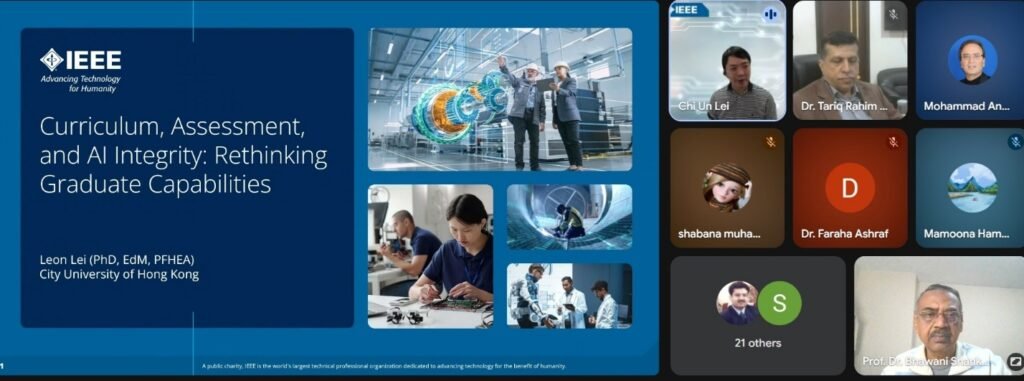
IEEE Education Society Karachi Section Hosts Dr. Chi-Un Lei Webinar
Rethinking Graduate Education in Age of AI Chair IEEE Education Society, Karachi Section, Prof Dr…